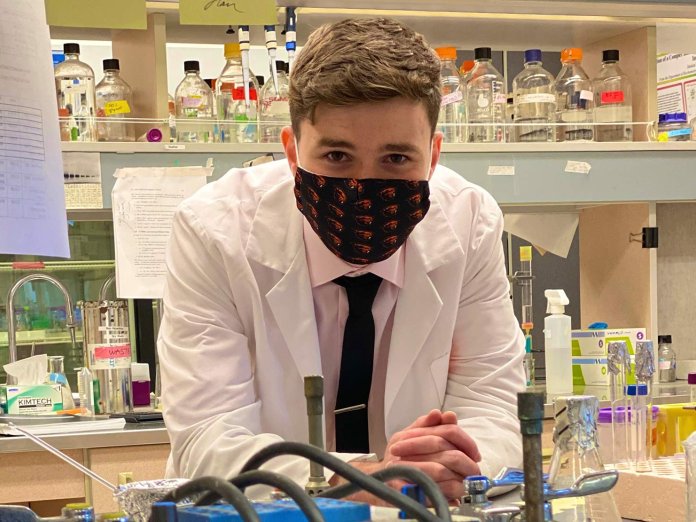
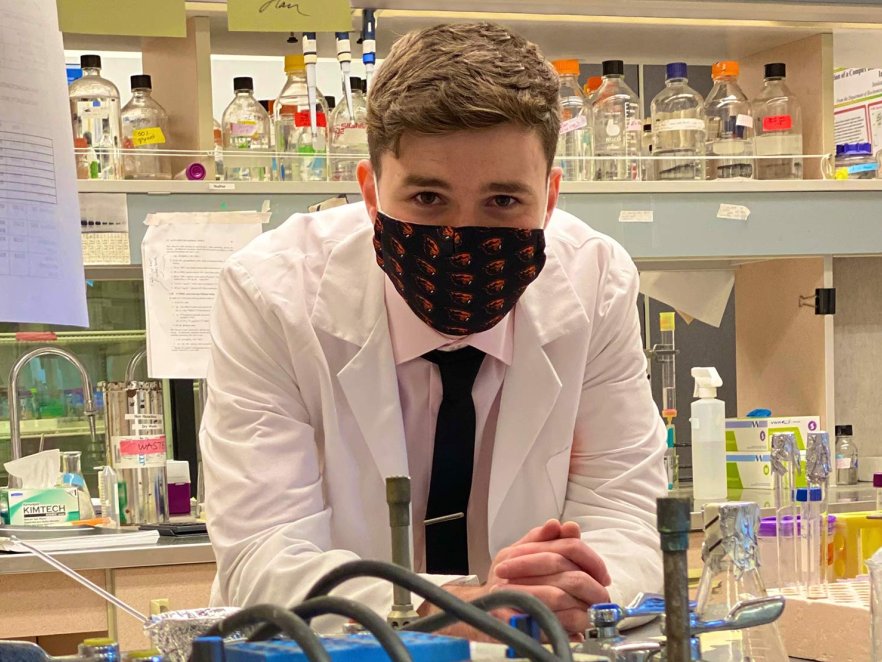
Life unfolds through the constant motion and interaction of biological molecules. Biochemistry and Biophysics applies principles and tools from physics, chemistry and mathematics to understand how those molecules are structured, how they move and how they interact. This highly quantitative approach allows scientists to map complex molecular machinery, engineer proteins and develop new drugs and therapies.
As a biochemistry and biophysics major at Oregon State University, you can study the chemical and physical processes that shape life while building a foundation in biology, chemistry, physics, mathematics and quantitative analysis. You may also explore molecular and structural biology, neuroscience, bioinformatics and related disciplines.
Biochemists and biophysicists are in demand!
Employment in these areas are set to grow over the next 10 years, with biochemists and biophysicist careers growing 4x faster than average according to the U.S. Bureau of Labor Statistics.
13.4K
Medical scientist, biochemist or biophysicist openings expected annually
22.1K
Physician and surgeon openings expected annually
What career pathways do Oregon State biochemistry and biophysics graduates pursue?
Explore where Oregon State biochemistry and biophysics biology graduates work and the career paths they've taken. Discover real alumni outcomes, including job titles, employers and educational pathways, to see where your degree could take you.
- Biological and biomedical research
- Biotechnology, pharmaceuticals and applied bioscience
- Medicine and physician careers
- Computing, data and health information systems
- Dentistry, pharmacy, veterinary and other health professions
- Engineering and applied technology
- Education, public health and public service
- Business, consulting and organizational leadership
Read more
Median annual wages in 2025 (and the typical degree needed to enter the field) were:
- $275,930 for physicians and surgeons (Professional degree)
- $167,220 for natural science managers (Bachelor’s degree)
- $134,040 for software developers, quality assurance analysts and testers (Bachelor’s degree)
- $127,410 for biochemists and biophysicists (Doctoral degree)
- $107,310 for college-level health-specialties teachers (Doctoral degree)
- $105,850 for computer systems analysts (Bachelor’s degree)
- $103,410 for medical scientists (Doctoral degree)
- $57,510 for biological technicians (Bachelor’s degree)
These are national occupational figures, not starting salaries or earnings specifically reported by Oregon State alumni. Actual compensation depends on the career you pursue, the education and credentials it requires, your level of experience and where you work.
Career Pathways
Biological and biomedical research careers
Many biochemistry and biophysics graduates pursue research focused on how living systems function and how molecular processes influence health, disease, agriculture and the environment. BB integrates biochemistry, cell and molecular biology, biophysics, mathematics, statistics, experimental design and computational analysis, preparing graduates to approach biological questions across disciplines.
Research careers can involve experiment design, data analysis, specialized instrumentation and science communication. Some researchers focus on fundamental biological questions, while others investigate potential diagnostics, therapies or clinical applications.
Pathway: The Advanced Biophysics option is a strong choice for research-oriented students, providing additional preparation in chemistry, physics, bioinformatics, statistics and math. Students interested specifically in brain and nervous-system research may prefer the Neuroscience option. A second major in BioResource Research provides extensive mentored research and a thesis, while Microbiology and Biological Data Sciences are complementary minors for laboratory, genomic and computational research. A bachelor’s degree can lead to research assistant, biological technologist or other research support positions. Scientist-led research, medical research and university faculty careers typically require a Ph.D. Postdoctoral research is also common before permanent research or faculty positions.
Our graduates have worked as:
- Scientists, research scientists and staff scientists
- Genomics researcher
- Computational biologist
- Pharmacology scientist
- Laboratory managers and analysts
- Research operations manager
- Research and development manager
- Research assistant
- Research faculty and tenure track professors
At these employers (and more):
OHSU, Oregon State University, Caltech, New York University, University of Oklahoma Health Sciences Center, University of Wisconsin–Madison, Stowers Institute for Medical Research, UNC-Chapel Hill, Legacy Salmon Creek Medical Center, VIB, United Arab Emirates University, Sandia National Laboratories
Biotechnology, pharmaceuticals and applied bioscience careers
Biochemistry and biophysics is strong preparation for careers in organizations that apply bioscience to develop medicines, diagnostic tools, laboratory technologies, industrial processes and other products based on biological systems. Coursework in molecular structure and function, laboratory methods, biophysics, sequence analysis and quantitative reasoning helps graduates understand both biological targets and the tools used to study them.
Pathway: Both the Advanced Biophysics option and the Neuroscience option are excellent choices for students interested in biophysics and pharmaceutical industries. A Microbiology minor can complement microbial biotechnology, laboratory and bioprocess work, while the Biological Data Sciences minor supports genomic and computational applications.
A bachelor’s degree is typical for laboratory analyst, research assistant, quality-control and technical application positions. Scientist-led research, translational science and research leadership positions may require a master’s degree or Ph.D.
Our graduates have worked as:
- Biotechnology scientist
- Research and development scientists, engineers and managers
- Analytical chemist
- Laboratory analyst
- Bioprocess development scientist
- Medical science liaison
- Technical application scientist
- Biotechnology program manager
- Director of early clinical development
- Product manager
- Research assistant
- AI and Machine Learning Engineer
At these employers (and more):
Pfizer, Thermo Fisher Scientific, Agilent Technologies, Foundation Medicine, Codexis, PTC Therapeutics, Viridos, Molecular Vision Laboratory, GSK plc, Takeda Pharmaceutical Company, Neurable
Medicine and physician careers
The medical field applies scientific evidence and clinical judgment to prevent, diagnose and treat illness.
A biochemistry and biophysics degree provides a strong scientific foundation for understanding human physiology, disease processes and the molecular basis of health. Our alumni have evaluated symptoms and test results, developed treatment plans, performed clinical procedures and coordinated patient care in primary care, emergency and hospital medicine, pediatrics, gastroenterology, radiology, sports medicine and pathology. Some also combine patient care with research and teaching.
Pathway: Choose the Pre-Medicine option, which meets the requirements for most U.S. medical schools and includes medically relevant coursework in genetics, psychology, ethics and social sciences. A Psychology, Communications or Spanish minor can increase preparation relevant to patient care. After graduation, physicians must earn an M.D. or D.O., complete residency training and obtain a state license. Subspecialties such as gastroenterology, radiology and forensic pathology require additional residency or fellowship training.
Our graduates have worked as:
- Physicians, including in emergency medicine, family medicine, sports medicine and pediatrics
- Hospitalist
- Gastroenterologist
- Radiologist
- Resident physician
- Forensic pathology fellow
- Clinical faculty
- Vascular surgeon
- Senior Associate Consultant
At these employers (and more):
Aviva Health, The Oregon Clinic, Legacy Health, University of Washington, Family Medicine of Southwest Washington, Hawaii Emergency Physician Association, Mid Pacific Hospitalist, Providence Health Services, Weill Cornell Medicine, New York University, Cleveland Clinic, UC San Diego Health, Radia, Office of the Medical Investigator, Mayo Clinic
Dentistry, veterinary, pharmacy and other health professions
Biochemistry and biophysics can also serve as preparation for professional health careers beyond medicine. Dentistry, pharmacy, veterinary medicine, speech-language pathology and other health professions apply knowledge of biology, chemistry and health to different forms of patient or animal care.
BB alumni have diagnosed and treated oral and animal health conditions, managed medication services, evaluated communication and swallowing disorders, educated patients and supported clinical care in dental and medical practices, hospitals, schools, pharmacies and veterinary settings.
Pathway: Consider the Pre-Medicine option, which provides additional preparation for health professions. A Microbiology minor can support interests in infection, immunology and clinical science, while Psychology, Communications or Spanish can complement patient-facing careers. Animal Sciences is the most targeted second major for prospective veterinarians. Most health professions require additional schooling and licensure. Clinical support careers such as medical assisting have shorter, employer-dependent preparation requirements and do not require a professional doctorate.
Our graduates have worked as:
- Dentist
- Pharmacy manager
- Veterinarian
- Speech-language pathologist
- Medical assistant
At these employers (and more):
West Linn Dental, Geelan Dental Care, Walmart, Banfield Pet Hospital, Emergency Veterinary Hospital, Lincoln Road Veterinary Clinic, Clackamas Education Service District, Center for Dermatology and Laser Surgery.
Computing, data and health information systems careers
Modern science and health care depend on software and data systems that collect, organize, analyze and communicate complex information. Through programming, statistics, biological sequence analysis, computational tools and quantitative problem-solving, Biochemistry and Biophysics students learn to work with data while understanding the scientific questions behind it.
Pathway: Choose the Advanced Biophysics option for its additional work in bioinformatics, statistics, mathematics and computational science. A dual major or minor in Computer Science is the strongest complement for software development. Consider the Biological Data Sciences minor for computational biology and genomics, or the Statistics minor to support broader data-science and analytical roles. A bachelor’s degree combined with substantial programming and project experience is typically sufficient for many software, systems-analysis and data positions, though some employers may prefer graduate education.
Our graduates have worked as:
- Software engineers and developers
- Graphics compiler engineer
- Systems and systems development analysts
- Senior programmer and analyst
- Clinical informatics coordinator
- Clinical and cost analyst
- Chief technology officer
- VP of data science
At these employers (and more):
Intel, Oracle, Agilent Technologies, Montage Health, Salem Health, Portland Public Schools, Mercury Data Science, SureID, Oregon Secretary of State, HALDN, Biome Analytics
Education, public health and public service
Education, public health and public service use evidence to improve learning, population health and community systems. A biochemistry and biophysics degree is strong preparation for graduates who want to explain science accurately and make evidence-informed decisions. Our alumni have taught science, designed curricula, analyzed public-health data, shaped policy and coordinated public programs. Their work spans classrooms, universities, health agencies, government departments and community institutions.
Pathway: Choose the Neuroscience option for service emphasizing the brain and nervous system. Students focused on general science teaching or quantitative public-sector work may prefer Advanced Biophysics. A second major in Secondary Education provides a clear route to science teaching, while a Public Health minor or Environmental and Occupational Health minor supports population health and environmental policy. The Public Policy minor is another useful possibility for government and policy careers.
Oregon public-school teachers need a bachelor’s degree, an approved educator-preparation program and a teaching license. Epidemiologists typically need at least a master’s degree. College-level science faculty should plan to continue to a Ph.D. program. Many program, analyst and policy roles can be entered with a bachelor’s degree.
Our graduates have worked as:
- Science instructors and teachers
- Science education consultant
- University lecturers and instructors
- Curriculum fellow
- Tenure track faculty
- Senior policy specialist
- Actuarial analyst
- Clinical informatics coordinator
- Senior programmer & analyst
At these employers (and more):
Tigard High School, Beaverton School District, Stanford University, Harvard University, Oregon State University, Oregon Health Authority, Salem Health, Oregon Secretary of State
Career Preparation
Related career paths across the College of Science
Many career paths pursued by biochemistry and biophysics graduates overlap with those of other majors in the College of Science. Programs such as biochemistry and molecular biology, biology, chemistry, microbiology, biohealth sciences, physics and others share scientific foundations with biochemistry and biophysics and can lead to related careers in research, biotechnology, health professions, education and industry.
Common questions
Skills developed through BB coursework and related hands-on experiences include:
- Applying chemistry, physics and mathematics to biological questions
- Designing experiments and testing scientific hypotheses
- Applying laboratory methods safely and accurately
- Reading, interpreting and evaluating scientific evidence
- Analyzing experimental and biological data
- Using programming, biological databases and computational tools
- Communicating scientific information to different audiences
- Working accurately with complex scientific data and technical information
- Recognizing ethical issues and professional responsibilities in scientific practice
- Connecting ideas across biological, chemical, physical and computational sciences
Your coursework, degree option and experiences outside the classroom will all shape the skills you develop while at Oregon State.
Students preparing for health professions may emphasize clinical experience and patient interaction, while those interested in research or biotechnology may focus more heavily on laboratory or computational work.
Coursework provides the scientific and quantitative foundation for careers in biochemistry and biophysics. Employers and graduate or professional programs also value experiences that help students apply what they learn, explore career interests and develop professional skills.
Oregon State students build experience in many ways while earning their degrees, including research, internships, clinical experience, leadership and service. The examples below illustrate some of the ways biochemistry and biophysics students have prepared for their careers.
Undergraduate research
Undergraduate research allows students to investigate biochemistry and biophysics questions while strengthening their the laboratory, computational and analytical learning. It also provides opportunities to work with faculty mentors and contribute to new scientific knowledge.
Oregon State students have conducted research:
- Finding biomarkers for early brain tumors
- How cancer-related proteins communicate and repair cells
- Investigating the relationship between the gut biome and autism
- Studying hormones and reproductive brain function
- Mapping the structure of a coronavirus protein
Research experience can strengthen preparation for graduate study as well as careers in biotechnology, pharmaceutical science and laboratory research.
Health profession preparation
Students preparing for medicine, dentistry, pharmacy or veterinary medicine often build experiences that help them explore their desired profession and gain experience while strengthening their preparation for professional school.
Oregon State students have also built experience through:
- Clinical employment
- Physician or professional shadowing
- Volunteer service
- Health-related student organizations
- Professional school prerequisite courses
Leadership, service and campus involvement
Leadership, communication, teamwork and service are valuable in every scientific career. Campus involvement provides opportunities to develop these professional skills while contributing to the university and the broader community.
Oregon State students have also built experience through:
- College of Science student ambassador activities
- Academic honor societies
- Student leadership
- Marching band
- Intercollegiate athletics
- International teaching
- Cultural and recreational organizations
Some Oregon State graduates entered laboratory, biotechnology, software, systems, business and technical roles after earning a bachelor’s degree. Employers often value laboratory experience, quantitative ability, programming, communication and evidence that a graduate can learn complex technical material.
Graduate or professional education is very common for biochemistry and biophysics majors, whether they go on to clinical careers or careers in areas of advanced specialization.
A graduate or professional degree is generally required for:
- Clinical careers in medicine, dentistry, pharmacy or veterinary medicine
- Science-led biomedical research
- University faculty careers
- Leadership level or advanced research and development positions
Additional education is also typical for:
- Pharmaceutical development
- Engineering
- Education
- Technical management
Oregon State biochemistry and biophysics graduates have continued their education at universities in Oregon, across the United States and internationally.
Representative universities
- OHSU
- University of Washington
- UT Southwestern Medical Center
- Johns Hopkins University
- Stanford University
- University of California, Davis
- Harvard University
- Baylor College of Medicine
- University of Wisconsin–Madison
- UNC-Chapel Hill
- Georgia Institute of Technology
- University of Tokyo
Common graduate and professional disciplines
- Biological sciences like microbiology, biochemistry, biophysics, molecular biology and neurobiology
- Medical-related sciences like cancer biology, genetics, toxicology, pharmacology, neuroscience and immunology
- Medical, veterinary, dentistry and pharmacy degrees
- Data-related sciences like epidemiology and biostatistics
- Chemistry
- Computer science
Our Alumni
See where they are
These biochemistry and biophysics alumni started out right where you are.
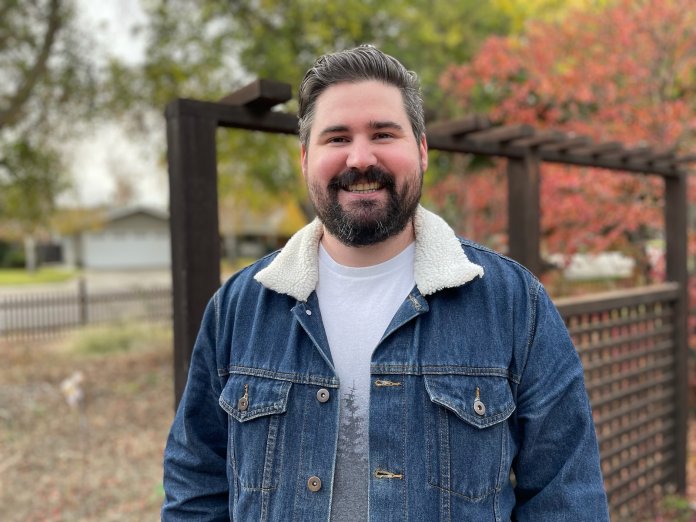
Data science career born from necessity: alum built the process his lab needed
Data science career born from necessity: alum built the process his lab needed

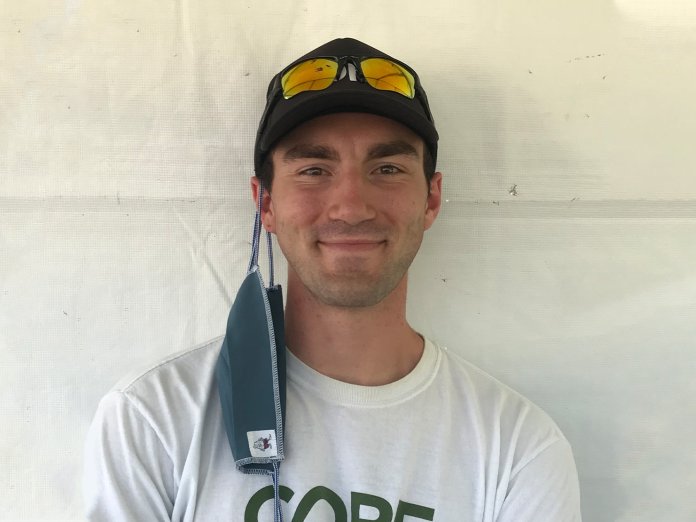
Biochemistry research launches path to global health and emergency medicine
Biochemistry research launches path to global health and emergency medicine

The OSU mentorship that helped this alum find their purpose in academia
The OSU mentorship that helped this alum find their purpose in academia


Award-winning alumnus studies how environmental factors impact aging
Award-winning alumnus studies how environmental factors impact aging