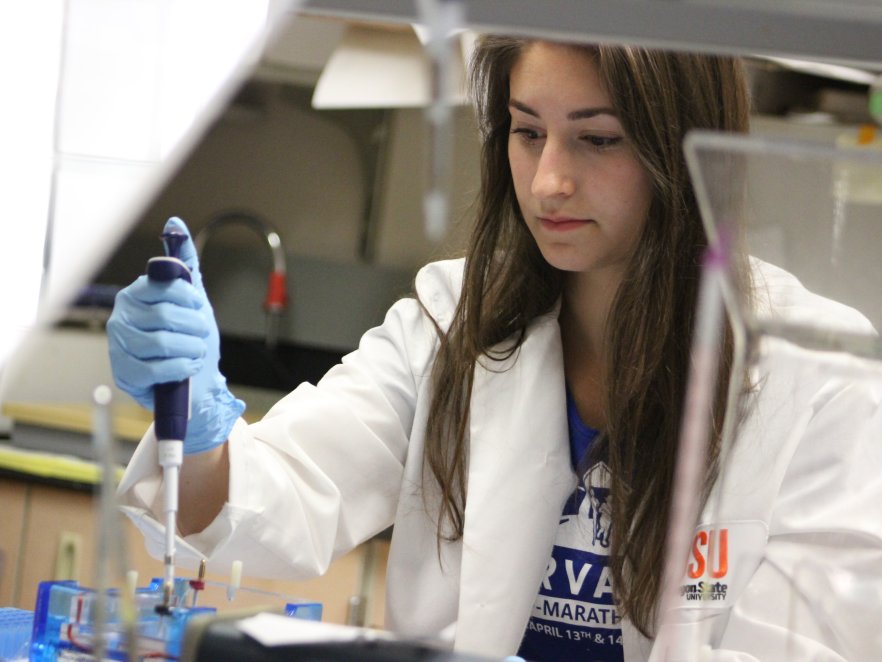
While every living thing relies on cellular chemistry, Biochemistry and Molecular Biology focuses specifically on the genetic blueprints and cellular mechanisms that drive life. This major explores cell signaling, DNA replication and gene expression to understand how diseases develop and how genetic discoveries lead to new biotechnologies, targeted medicines and biological research.
As a biochemistry and molecular biology major at Oregon State University, you can study the molecular foundations of life while building a background in biology, chemistry, genetics and laboratory science. You may also explore toxicology, microbiology, computation, data analysis and environmental science.
BMB prepares graduates for growing careers
across biomedical research, biotechnology and lab science. The U.S. Bureau of Labor Statistics projects employment of medical scientists to grow 13% and biochemists and biophysicists to grow 12% over the next ten years. That’s four times faster than average! Biological technicians are projected to grow 7%.
10.5K
Medical scientists expected annually
30K
Biological technician and clinical laboratory occupations expected annually
What careers do Oregon State biochemistry and molecular biology graduates pursue?
Explore where Oregon State biochemistry and molecular biology graduates work and the career paths they've taken. Discover real alumni outcomes, including job titles, employers and educational pathways, to see where your degree could take you
- Scientific research, laboratory and data science
- Biotechnology, manufacturing, quality and analysis
- Health professions and clinical care
- Clinical research, informatics and health systems
- Education, advising and program management
How much do biochemistry and molecular biology graduates earn?
Earnings vary substantially by occupation, education, experience, industry and location. National occupational data from the U.S. Bureau of Labor Statistics provide context for several careers related to biochemistry and molecular biology.
Median annual wages in 2025 (and the typical degree needed to enter the field):
- $275,930 for physicians and surgeons (Professional degree)
- $167,220 for natural science managers (Bachelor’s degree)
- $140,910 for pharmacists (Professional degree)
- $127,410 for biochemists and biophysicists* (Doctoral degree)
- $103,410 for medical scientists (Doctoral degree)
- $100,040 for genetic counselors (Master’s degree)
- $97,550 for registered nurses (Nursing degree)
- $62,930 for clinical lab technologists (Bachelor’s degree) and technicians (Associate’s degree)
- $57,510 for biological technicians (Bachelor’s degree)
These are categories defined by the Bureau of Labor Statistics, not exact job titles, starting salaries or earnings specifically reported by Oregon State graduates. Actual compensation depends on the career you pursue, the education it requires, your experience and where you work.
*Note: The Bureau of Labor Statistics includes cell and molecular biologists in its category “biochemists and biophysicists.”
Career Pathways
Scientific research, laboratory and data science careers
Using experiments and data analysis, biomolecular researchers explore how genes, proteins, cells and microorganisms function and interact in cancers, infectious diseases, pharmacological interactions and other biomolecular systems. The BMB major provides practice investigating molecular questions, applying laboratory methods, interpreting biological and chemical data and evaluating scientific evidence, preparing graduates for work in academic, medical, government and biotechnology settings.
Pathway: Choose the Advanced Molecular Biology option to prepare for laboratory, genomics and molecular research or the Computational Molecular Biology option for bioinformatics. Undergraduate research will provide important experience. Students seeking additional learning in data visualization and manipulation can consider the Data Science minor, while those strongly interested in computational careers should consider a Computer Science minor. A bachelor’s degree supports research assistant and technician positions, while a Ph.D. is typically needed for scientist-led or academic research.
Our graduates have worked as:
- Research assistants, associates, specialists and analysts
- Laboratory technicians and assistants
- Laboratory manager
- Staff scientists and associate scientists
- Microbiologist
- Molecular and microbial biologist
- Optogenetics project lead
- Research investigator
- Data scientist
At these employers (and more):
Oregon State University, Linus Pauling Institute, Oregon State University College of Agricultural Sciences, Oregon State University College of Pharmacy, Oregon Health & Science University, University of Oregon, The University of Texas at Austin, Providence, Genentech, Indivumed Therapeutics, Altasciences, Benchmark Biotech, Discovery Life Sciences, Lonza, Element Materials Technology, Lawrence Livermore National Laboratory, City of Bend, Talus Bio.
Biotechnology, manufacturing, quality and analysis careers
Biotechnology companies use living systems, biological molecules and chemical processes to develop research tools, diagnostics, treatments and other products.
BMB graduates contribute throughout that process using their understanding of molecular systems, experimental design, laboratory methods and data analysis. Some conduct research or support product development. Others manufacture genetic material, test samples, monitor production systems or make sure products meet quality standards.
Pathway: The Advanced Molecular Biology option provides the most direct preparation for biotechnology, pharmaceutical and laboratory work. The Computational Molecular Biology option may be preferable for bioinformatics, automation or data-focused positions. A Toxicology minor can complement pharmaceutical, chemical-testing or risk-related interests. Many manufacturing, quality-control and laboratory positions are accessible with a bachelor’s degree and relevant experience. Advanced research, product-development and scientific-leadership roles may require graduate education.
Our graduates have worked as:
- Manufacturing associates and leads
- Production associates and leads
- Analytical laboratory chemists and supervisors
- Extraction chemist
- Chemical technician
- Sample preparation technician
- Quality specialists, engineers and research associates
- Metrology technician
- Automation engineer
At these employers (and more):
Twist Bioscience, Genentech, Seres Therapeutics, Lonza, WGNSTAR, TTM Technologies, HP, ATI, Italmatch Chemicals, Pharma Source Direct, IEH Laboratories and Consulting Group, OMIC USA, Pruf Cultivar, Intel, PREE LaboratoriesHealth professions and clinical care careers
Health professions and clinical care careers
Health professionals use scientific evidence and knowledge of the molecular basis of health and disease to interpret diagnostic information and make decisions about patient care. Biochemistry and molecular biology provides a strong foundation in genetics, cell biology, chemistry and the molecular mechanisms underlying disease and treatment to prepare graduates for medical school, clinical training programs and clinical lab work.
Pathway: Choose the Pre-Medicine option and select electives that support the specific professional program you intend to enter. While at OSU, gaining relevant clinical experience will strongly benefit admissions materials. Most clinical professions require additional professional education, licensure or certification beyond a bachelor's degree. Medical or clinical laboratory science often requires additional accredited clinical training and certification.
As a newer major, many of our BMB graduates are still in medical or professional school. We will continue to update this list.
Our graduates are preparing to be:
- Toxicologist
- Pharmacist
- Nurse
- Physician
- Orthopedist
- M.D./Ph.D.
- Anesthesiologist
Our graduates have worked as:
- Medical resident
- Genetic counselor
- Pharmacy residents and interns
- Physician assistant
- Registered nurse
- Medical and nursing assistants
- Medical and clinical laboratory scientists
- Patient-care and emergency medical technicians
- Specimen processing specialist
- Diagnostic technician
At these employers (and more):
Dartmouth Hitchcock Medical Center and Clinics, National Institute of Allergy and Infectious Diseases, Kaiser Permanente Northwest, Loyola Medicine, Legacy Salmon Creek Medical Center, Fred Meyer, Walmart, Providence Health & Services, Oregon Health & Science University, OHSU Knight Cancer Institute, Thermo Fisher Scientific, St. Charles Health System, Hillsboro Medical Center, Corvallis Birth and Women’s Health Center, American Medical Response, Avalon Health Care Group, Prestige Senior Living, Premier Medical Group, O + F Specialists.
Clinical research, informatics and health systems careers
For those excited about the research that supports clinical care, the Biochemistry and Molecular Biology major provides an excellent foundation for careers focused on answering questions about health, disease and treatment. BMB graduates have used their learning to understand and coordinate clinical studies, manage research information, support data systems and administer healthcare or other diagnostic programs.
Pathway: Choose the Advanced Molecular Biology option for laboratory-connected clinical research or the Computational Molecular Biology option for clinical data and informatics. The Data Science minor strengthens data management and visualization, while the Healthcare Administration minor can add preparation in healthcare operations and leadership. Clinical research positions are accessible with a bachelor’s degree and relevant research or healthcare experience; advanced informatics, public health and leadership roles typically benefit from specialized graduate education.
Our graduates have worked as:
- Clinical research assistant
- Clinical research coordinator
- Clinical research specialist
- Clinical informatics systems analyst
- Infectious disease program coordinator
- Project coordinator
At these employers (and more):
Oregon Health & Science University, Providence Health & Services, CHRISTUS Health, Foresight Diagnostics
Education, advising and program management careers
Scientific knowledge is also valuable in classrooms, academic programs, educational technology and organizations that coordinate research or student services.
Pathway: An Organizational Leadership minor supports students interested in management and other leadership careers in many fields. For those interested in teaching, public schools generally require state licensure, while college and university positions require a graduate degree. A College of Education degree is an excellent choice for those interested in public teaching, while an Education minor can support students interested in other kinds of science communication.
Our graduates have worked as:
- Science teacher
- Academic advisor
- Course product manager
- Student-athlete development director
- Project manager
- Program coordinator
- Medical school admissions consultant
- International credential evaluator
At these employers (and more):
Oregon State University, Lumen Learning, Rancho Solano Preparatory School, Ludwig Maximilian University of Munich, Inspira Education
Career Preparation
Related career paths across the College of Science
Many career paths pursued by biochemistry and molecular biology graduates overlap with those of other majors in the College of Science. Programs such as biochemistry and biophysics, biology, microbiology, chemistry and BioHealth Sciences share foundations in the life and molecular sciences and can lead to related careers in research, biotechnology, health professions, laboratory science and industry.
Common questions
Skills developed through BMB coursework and related hands-on experiences include:
- Understanding biochemical, molecular, genetic and cellular processes
- Applying biology, chemistry, physics and mathematics to questions about living systems
- Designing experiments to test biochemical and molecular hypotheses
- Applying laboratory methods safely and accurately
- Preparing and analyzing biological samples and documenting results accurately
- Troubleshooting experiments and interpreting unexpected results
- Reading, interpreting and evaluating scientific literature and evidence
- Analyzing biological and chemical data using quantitative and statistical methods
- Applying databases, computational tools and Python to scientific investigations
- Communicating scientific concepts to diverse audiences
- Recognizing ethical responsibilities in scientific research
Your coursework, degree option and experiences outside the classroom will all shape the skills you develop while at Oregon State.
Students preparing for computational careers may need additional experience in programming and statistics. Students planning for health professions should also build patient-care, communication and interpersonal skills.
Coursework provides the scientific foundation for careers and advanced study in biochemistry and molecular biology. Employers,graduate schools and professional programs also value experiences outside the classroom that help students apply what they learn, explore career interests and develop professional skills.
Oregon State students build experience in many ways while earning their degrees, including research, internships, clinical and laboratory experience and leadership. The examples below illustrate some of the ways Oregon State students have prepared for careers in biochemistry and molecular biology.
Undergraduate research
Undergraduate research allows students to investigate biochemical and molecular questions while developing the laboratory methods and technical skills used by researchers in the field. It also provides opportunities to work with faculty mentors and contribute to new scientific knowledge.
Oregon State students have conducted research in areas such as:
- Biochemistry and biophysics laboratories
- Protein and molecular interaction research
- SARS-CoV-2 nucleocapsid protein research
- Veterinary medicine laboratories
- Chlamydial cell research
- Linus Pauling Institute research
- Oregon Health & Science University laboratories
- Neurodegenerative disease research
- Biomedical and molecular science laboratories
Internships and professional experience
Internships and professional experiences allow students to apply their scientific knowledge in research, biotechnology, healthcare and laboratory settings while exploring different career paths and building professional connections.
Oregon State students pursued professional experience at:
- Oregon Health & Science University
- Genentech
- NASA Jet Propulsion Laboratory
- University of Tokyo Amgen Scholars Program
- Norton Thoracic Institute
- Los Alamos National Laboratory
- USDA Agricultural Research Service
Clinical and pre-health experience
Students preparing for clinical professions can use early clinical experience to better understand patient care, healthcare systems and coordination, and the practical demands of their intended profession. Depending on the profession, relevant experiences may include patient-care employment, medical assisting, pharmacy work, clinical studies, volunteering and observation or shadowing.
BMB graduates pursued pre-health experience as:
- Pharmacy interns
- Medical scribes
- Medical assistants
- Caregiver
- Home health aide
- Medication aide
Leadership, service and campus involvement
Leadership, communication, teamwork and service are valuable in every scientific career. Experiences beyond the classroom can strengthen these professional skills while exposing students to a variety of scientific, professional and clinical environments.
These experiences help students build the technical, communication and leadership skills that complement a strong foundation in biochemistry and molecular biology.
The right level of education depends on the career you plan to pursue. Make sure to research the degree, certification and licensing requirements for your intended profession.
A bachelor’s degree can prepare graduates for entry-level roles in research laboratories, biotechnology manufacturing, quality and analytical testing, clinical research, laboratory operations and some health support positions. For these careers, relevant laboratory, research, internship or computational experience may be more important than immediately earning another degree.
Graduate or professional education is more common in careers that require advanced scientific specialization, science-led research or professional licensure.
A Ph.D. is commonly expected for independent scientist and tenure-track university faculty positions, while a graduate degree may be preferred for advanced molecular, biomedical or computational research.
Genetic counselors, physicians, pharmacists and physician assistants must complete the appropriate graduate or professional degree, supervised training, examinations and licensure.
Some careers require additional preparation without necessarily requiring graduate school. Medical laboratory scientist positions may require accredited clinical laboratory training, and employers may prefer professional certification; K–12 teaching requires teacher licensure; and engineering-intensive careers may require additional engineering coursework or a relevant engineering degree.
Career preparation does not always follow a straight line. Some graduates work as medical assistants, laboratory technicians or research assistants before beginning graduate or professional school.
Others earn specialized master’s degrees before moving into genetic counseling, public health, pharmaceutical science or biomedical research.
Graduates continue their education at Oregon State and at universities, medical schools and research institutions across the United States and internationally.
Representative universities and institutions
- Oregon Health & Science University (OHSU)
- University of Washington
- Western University of Health Sciences
- Washington University School of Medicine in St. Louis
- New York University Grossman School of Medicine
- University of California, Berkeley
- University of California, Los Angeles
- Boston University
- Northwestern University Feinberg School of Medicine
- Johns Hopkins Bloomberg School of Public Health
- University of Illinois Urbana-Champaign
- University of Texas Health Science Center at San Antonio
- Pacific University
- University of Queensland
- Ludwig Maximilian University of Munich
Common graduate and professional disciplines
- Genetic counseling
- Biochemistry and biophysics
- Cellular and molecular biology
- Medical sciences like toxicology, cancer biology, immunology, molecular biomedicine and pharmacology
- Computer sciences like bioinformatics and computational biology
- Bio- or biomedical engineering
- Health administration
- Professional degrees in pharmacy, medicine and osteopathy
- Education
Our Alumni
See where they are
These biochemistry and molecular biology alumni started out right where you are.

From Muppet genetics to a career in genetic counseling
From Muppet genetics to a career in genetic counseling


Undergraduate research opens doors to Stanford School of Medicine for budding neurologist
Undergraduate research opens doors to Stanford School of Medicine for budding neurologist

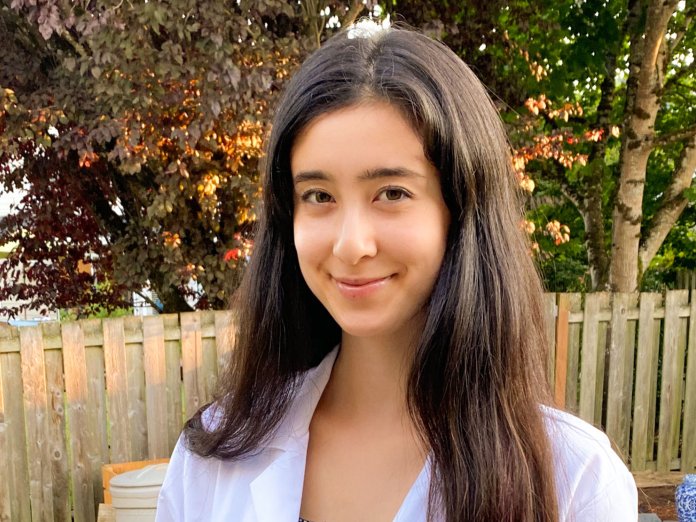
Driven by a love of research, she’s training as a physician-scientist at UCLA
Driven by a love of research, she’s training as a physician-scientist at UCLA
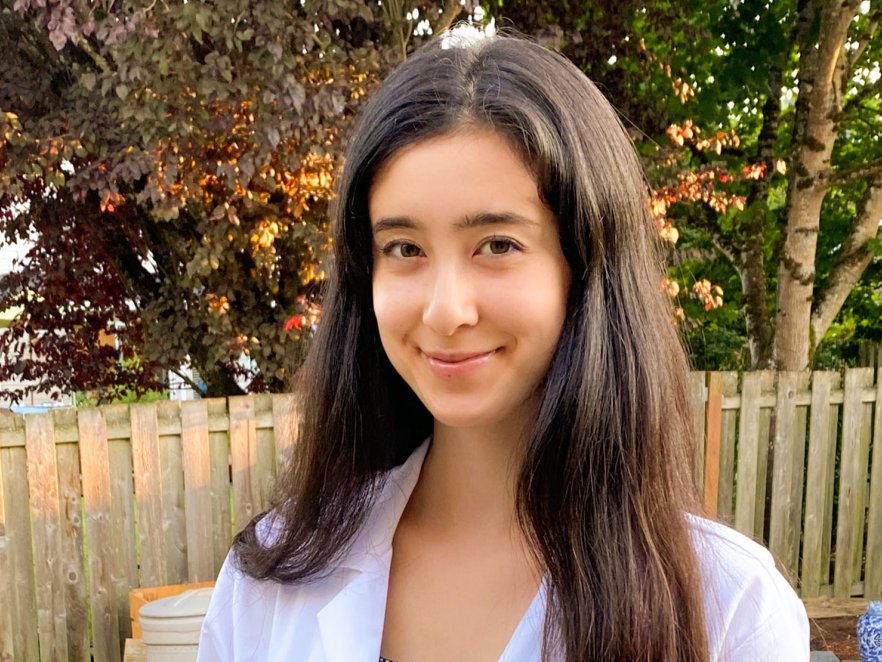

Discovering a passion for biotech while studying mammalian physiology
Discovering a passion for biotech while studying mammalian physiology
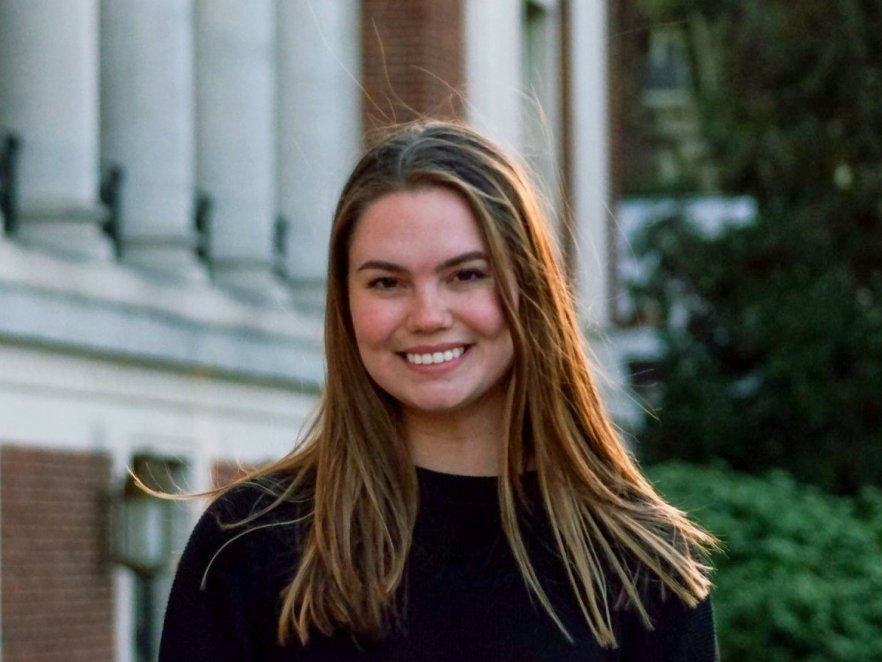
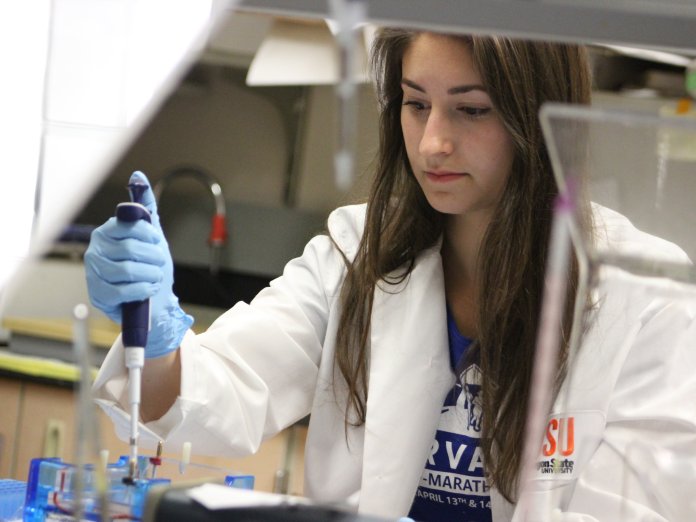
Inspired by her sister's cancer care, pre-med student becomes an M.D.
Inspired by her sister's cancer care, pre-med student becomes an M.D.