Microbiology examines the unseen organisms that influence nearly every part of life, from the spread of disease to the health of crops, ecosystems and food systems.
As a microbiology major at Oregon State University, you can study bacteria, viruses, fungi and other microorganisms while building connections to immunology, molecular biology, genetics, plant science and public health.
That foundation opens the door to work on challenges that range from improving human health and advancing biomedical research to strengthening food systems, protecting natural resources and developing new technologies.
Microbiology prepares graduates for growing careers
across science, health and safety. The U.S. Bureau of Labor Statistics projects life science occupations to grow faster than average over the next 10 years. Occupational health and safety careers are expected to grow 6 times faster than average!
26.4K
Occupational health and safety specialist job openings expected yearly in the U.S.
10.5K
Medical scientist positions projected annually nationwide
What careers do Oregon State microbiology graduates pursue?
Explore where Oregon State microbiology graduates work and the career paths they've taken. Discover real alumni outcomes, including job titles, employers and educational pathways, to see where your degree could take you
- Laboratory testing and diagnostics
- Medicine and clinical health professions
- Biomedical research, biotechnology and pharmaceutical science
- Quality, safety and regulatory operations
- Food, agriculture and biological production
- Environmental science and natural resources
Read more
Microbiology graduates also pursue careers requiring varying levels of education. Median annual wages in 2025 (and the typical degree needed to enter each career) included:
- $275,930 for physicians and surgeons (Professional degree)
- $140,910 for pharmacists (Professional degree)
- $103,410 for medical scientists (Doctoral or professional degree)
- $90,150 for occupational health and safety specialists (Bachelor’s degree)
- $88,720 for food scientists and technologists (Bachelor’s degree)
- $87,990 for microbiologists (Bachelor’s degree)
- $82,220 for environmental scientists and specialists (Bachelor’s degree)
- $62,930 for clinical lab technologists (Bachelor’s degree) and technicians (Associate’s)
- $57,510 for biological technicians (Bachelor’s degree)
These are national occupational figures, not earnings specifically reported by our alumni. Actual compensation will depend on the career you pursue, your education and where you work.
Career Pathways
Medicine and clinical health careers
Understanding microorganisms and their roles in infection, immunity and human health provides a strong scientific foundation for careers in clinical health. Many microbiology graduates have applied this background to medicine, dentistry, pharmacy, physician assistant practice, nursing and other clinical professions that involve patient care.
Pathway: Students planning for medical school can choose the Pre-Medicine option, which adds medically relevant microbiology, social science and medical humanities coursework. Most clinical professionals require additional degrees, training and licensure beyond the microbiology degree.
Our graduates have worked as:
- Family, emergency and other physicians
- Physician assistant
- Registered nurse
- Clinical and retail pharmacists
- Dentists and endodontists
- Surgeon
- Veterinarian
At these employers (and more):
OHSU, Providence Health and Services, Samaritan Health Services, Kaiser Permanente, Legacy Mount Hood Medical Center, Johns Hopkins Hospital, PeaceHealth, Rite Aid, Oregon Infectious Disease Specialists, Optum, Timber Dental, Expert Endodontics Northwest, Medical Imaging Associates, Banfield Pet Hospital, Pro-Bone-O Veterinary Care
Laboratory testing and diagnostics careers
Laboratory testing helps detect microorganisms, analyze biological samples and provide information used to diagnose and monitor disease. . Our alumni have applied their laboratory training in clinical and diagnostic laboratories, pathology services, molecular testing, specimen processing, biorepositories and analytical laboratories.
Pathway: Microbiology students can develop extensive lab experience through required and elective laboratory courses in microbiology, immunology, pathogenic microbes, aquatic microbiology or food microbiology. Adding CH 324 adds quantitative chemical-analysis experience and completes a Chemistry minor. Students pursuing clinical-diagnostic careers may need an accredited clinical laboratory program or certification after graduation.
Our graduates have worked as:
- Medical and clinical laboratory scientists
- Medical and microbiology technologists
- Clinical microbiologist
- Laboratory scientists, technicians, assistants and analysts
- Laboratory managers
- Specimen processor
- DNA technologist
- Histotechnologist
At these employers (and more):
Asante Health System, Bay Area Hospital, Edge Analytical Laboratories, IEH Laboratories, Kaiser Permanente, Karolinska University Hospital, Legacy Health System, Molecular Testing Labs, OHSU, Omic USA, PeaceHealth, Providence Health & Services, Samaritan Health Services, University of Washington Medical Center, Willamette Toxicology Lab
Biomedical research, biotechnology and pharmaceutical science careers
Studying microorganisms can reveal how diseases develop, how biological systems function and how microbes can be used to create new technologies and products. Microbiology graduates in these fields have applied laboratory and analytical skills to biomedical research, biotechnology and pharmaceutical development, while others have moved into research data analysis and project leadership.
Pathway: Students can build specialized knowledge through courses in areas such as immunology, pathogenesis, virology, microbial genetics and biotechnology and gain experience through undergraduate research or internships. Consider the Data Science minor or Biological Data Sciences minor to add computational and data analysis skills. Graduate education is common for academic, science-led research and leadership positions.
Our graduates have worked as:
- Research assistants, associates and technicians
- Principal and staff scientists
- Research microbiologists
- Development specialists and scientists
- Clinical research coordinators and associates
- Research data analyst
- Research project managers and coordinators
- Biotechnology and pharmaceutical scientist
At these employers (and more):
OHSU, Novo Nordisk, SmartPhage, Serán BioScience, U.S. Food and Drug Administration, Lonza, Vaxcyte, Bristol-Myers Squibb, Orca Bio, ICON, Regeneron Pharmaceuticals
Quality, safety and regulatory operations
Organizations that work with food, pharmaceuticals, diagnostics and other biological systems rely on professionals to keep their processes safe for both workers and those receiving their services and products. Microbiology graduates have worked in quality assurance and control, environmental health and safety, regulatory affairs, laboratory operations and technical project management. These careers draw on the ability to evaluate biological risks, interpret scientific evidence, document results accurately and communicate technical information across an organization.
Pathway: Students can select courses that emphasize food microbiology, microbial biotechnology and advanced laboratory courses to prepare for these careers. A Chemistry minor can add additional analytical skills and the Food Technology minor adds learning in food safety, sanitation and food law. The Environmental and Occupational Health minor adds preparation for hazard assessment and safety standards. Many quality, safety and regulatory roles are accessible with a bachelor’s degree and relevant laboratory or industry experience. Legal roles typically require further certification or schooling.
Our graduates have worked as:
- Quality assurance laboratory technicians, assistants and analysts
- Quality assurance and food safety supervisors, managers and directors
- Quality control technicians, associates and specialists
- Food safety auditor
- Patent agent
- Industrial hygienist
- Regulatory specialists, analysts and managers
- Chemical-systems operator
- Laboratory operations support specialist
At these employers (and more):
Becton Dickinson, Central Plateau Cleanup Company, Genentech, Idaho Power, Jack Link’s Protein Snacks, Mayo Clinic, Providence, RainSweet, Regimbeau, Sarepta Therapeutics, Sidley Austin, State of Oregon, Theo Chocolate, Twist Bioscience, Zimmer Biomet, Zoetis
Food, agriculture and biological production careers
Microorganisms play essential roles in food fermentation, plant health, crop production and in creating biological products.
Microbiology graduates in these fields have applied their scientific training to food production, agricultural research, product development and other careers connecting laboratory science to the production systems that connect food and agricultural products to our communities.
Pathway: Students can build expertise through courses that support their interests such as Food Microbiology, Fermentation Microbiology, Plant Pathology, Mycology and Microbial Biotechnology. The Food Science minor or Fermentation Science minor are strong preparation in product science, development and processing. The Food Manufacturing minor adds depth to manufacturing processes and economics.
Our graduates have worked as:
- Product developer
- Manufacturing and production technicians and supervisors
- Microbiology technicians, microbiologists and microbiology leads
- Biological science technicians and aides
- Laboratory and media-preparation technicians
- Enologist
- Pomologist
At these employers (and more):
Agrinos, Boston Beer Company, Chobani, Fall Creek, Oregon Department of Agriculture, Safeway, Talbott Vineyards, Tophat Mushrooms, Trinchero Family Estates, USDA, Wetherell Vineyards, Wornick Foods
Environmental science careers
Microorganisms influence water quality, nutrient cycles, soil health and other processes that shape natural environments. Microbiology graduates in this field have applied their laboratory, field and analytical skills to environmental testing and monitoring, water quality and environmental research.
Pathway: Students can focus their microbiology electives on Aquatic Microbiology, Microbe-Environment Interactions, Plant Pathology and Mycology. Consider the Environmental Sciences minor to add broader preparation in natural systems and environmental problem-solving. Field, laboratory and internship experience strongly support career readiness in this field.
Our graduates have worked as:
- Natural resources specialist
- Environmental scientist
- Biological surveyor
- Land stewardship manager
- Laboratory analytical specialist
At these employers (and more):
Oregon Department of Agriculture, Portland Water Bureau, Oregon State University, Colorado Springs Utilities, Kingfisher Ecological
Career Preparation
Related career paths across the College of Science
Many career paths pursued by microbiology graduates overlap with those of other majors in the College of Science. Programs such as biology, biochemistry and molecular biology, chemistry, biohealth sciences and others share scientific foundations with microbiology and can lead to related careers in health professions, research, biotechnology, laboratory science, environmental work and industry.
Common questions
Skills developed through Microbiology coursework and related hands-on experiences include:
- Scientific reasoning and problem-solving
- Applying microbiological knowledge to health, environmental and biological questions
- Laboratory methods, procedures, safety and responsible practices
- Careful observation and accurate scientific documentation
- Research design
- Data collection, analysis and interpretation
- Evaluating and making decisions using evidence
- Quantitative and statistical reasoning
- Quality assurance and quality control
- Reading and interpreting scientific literature
- Collaborating across disciplines and professions
- Communicating scientific concepts and results
Your coursework, degree option and experiences outside the classroom will all shape the skills you develop while at Oregon State. Research, internships and other experiential learning can provide additional experience with specialized techniques, scientific investigation, teamwork and professional practices.
Coursework provides the scientific foundation for a microbiology career. Research, internships and other experiences can help you apply what you learn, explore professional settings and build relationships with faculty members, employers and other mentors.
Undergraduate research
Research experience can be especially useful for students considering graduate school, biotechnology, laboratory science or biomedical research.
Oregon State students have conducted research in areas such as:
- Developing methods to culture anaerobic bacteria
- Studying the bacterium that causes gonorrhea
- Exploring plant systems and microbial risks in space
- Investigating Parkinson’s disease in Spain
- Engineering bacteria and analyzing protein expression
- Combating antibiotic-resistant bacterial infections
Internships and fellowships
Oregon State students have gained experience with organizations and settings such as:
- Faculty research laboratories at Oregon State University
- Howard Hughes Medical Institute
- Genomics Institute of the Novartis Research Foundation
- Pacific Northwest National Laboratory
- Sanofi Pasteur
- USDA Horticultural Crops Research Laboratory
- David Evans and Associates
- PBS Engineering and Environmental
- HemCon Medical Technologies
Other hands on learning experiences
Our alumni have also learned through experiences in:
- Teaching assistantships in microbiology and chemistry
- Leadership in the Microbiology Student Association
- Student government
- Residence hall leadership
- Science education through Discovery Days
- Public health education
- Research project coordination
- Work in emergency medical services
- Employment in food and wine production
Many Oregon State graduates enter laboratory operations, food production, quality assurance, government, technology, sales and business careers with a bachelor’s degree. Employers in these fields value scientific knowledge, laboratory experience, technical ability and demonstrated problem-solving skills.
For many others, additional training, education and licensure is required to pursue their career paths:
- Graduate education is often required for university, faculty, advanced or leadership research positions.
- Professional education is required for licensed clinical and legal professions.
- Accredited training, certification or licensure may be required for clinical, laboratory and professional careers like medical technologists.
Alumni have continued their education at Oregon State and at universities across the United States and internationally.
Representative universities
- Oregon Health Sciences University (OHSU)
- University of Pittsburgh
- University of Vermont
- University of Southern California
- University of California, Los Angeles
- George Washington University
- New York University
- Weill Cornell Medical College
- Western University of Health Sciences
- Royal College of Surgeons in Ireland
- Sorbonne University in France
Common areas of advanced study for microbiology grads:
- Microbiology and immunology
- Genetics
- Molecular, cellular and developmental biology
- Infectious disease and microbial pathogenesis
- Plant and environmental sciences
- Professional clinical programs like medicine, dentistry and pharmacy
- Clinical laboratory programs
- Public health and environmental safety
- Engineering, operations and systems science
- Law
Our Alumni
See where they are
These microbiology alumni started out right where you are.

Drawn to global impact, alumnus builds biopharma career, leads Pfizer pandemic response
Drawn to global impact, alumnus builds biopharma career, leads Pfizer pandemic response

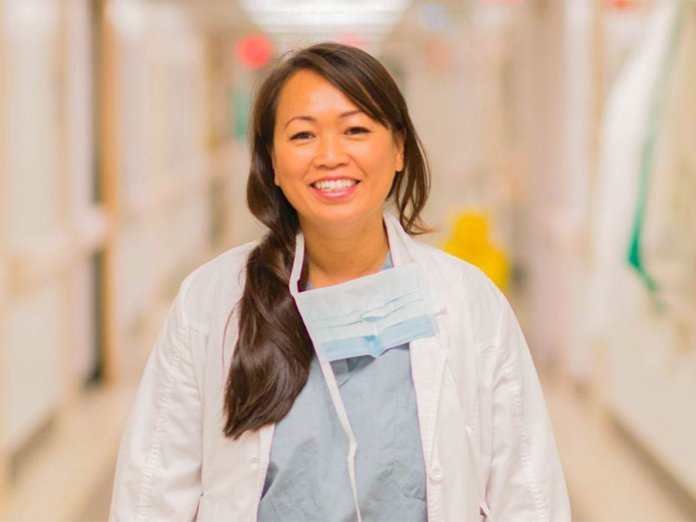
Surgeon tackles challenges from opioid reform to pandemic response
Surgeon tackles challenges from opioid reform to pandemic response

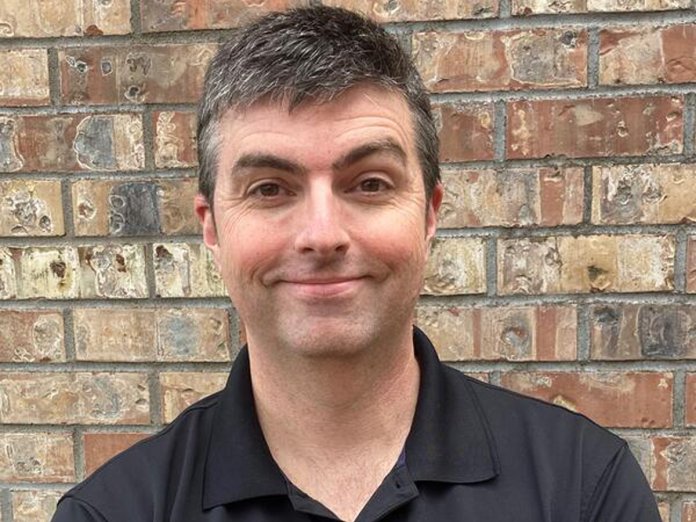
Alum helped produce COVID-19 test component for Oregon hospitals
Alum helped produce COVID-19 test component for Oregon hospitals
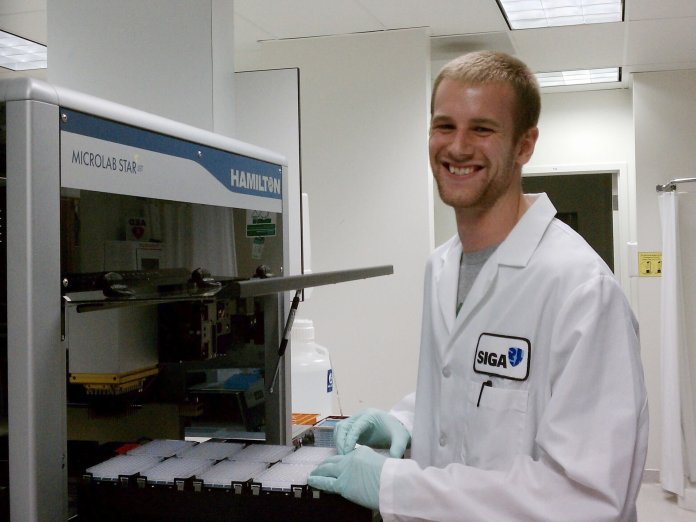
Microbiologist uses machine learning to tackle data problems, advancing clinical trials
Microbiologist uses machine learning to tackle data problems, advancing clinical trials


Investigating the hidden chemistry of harmful algal blooms at a national lab
Investigating the hidden chemistry of harmful algal blooms at a national lab

From antibiotic research as an undergraduate to family medicine
From antibiotic research as an undergraduate to family medicine