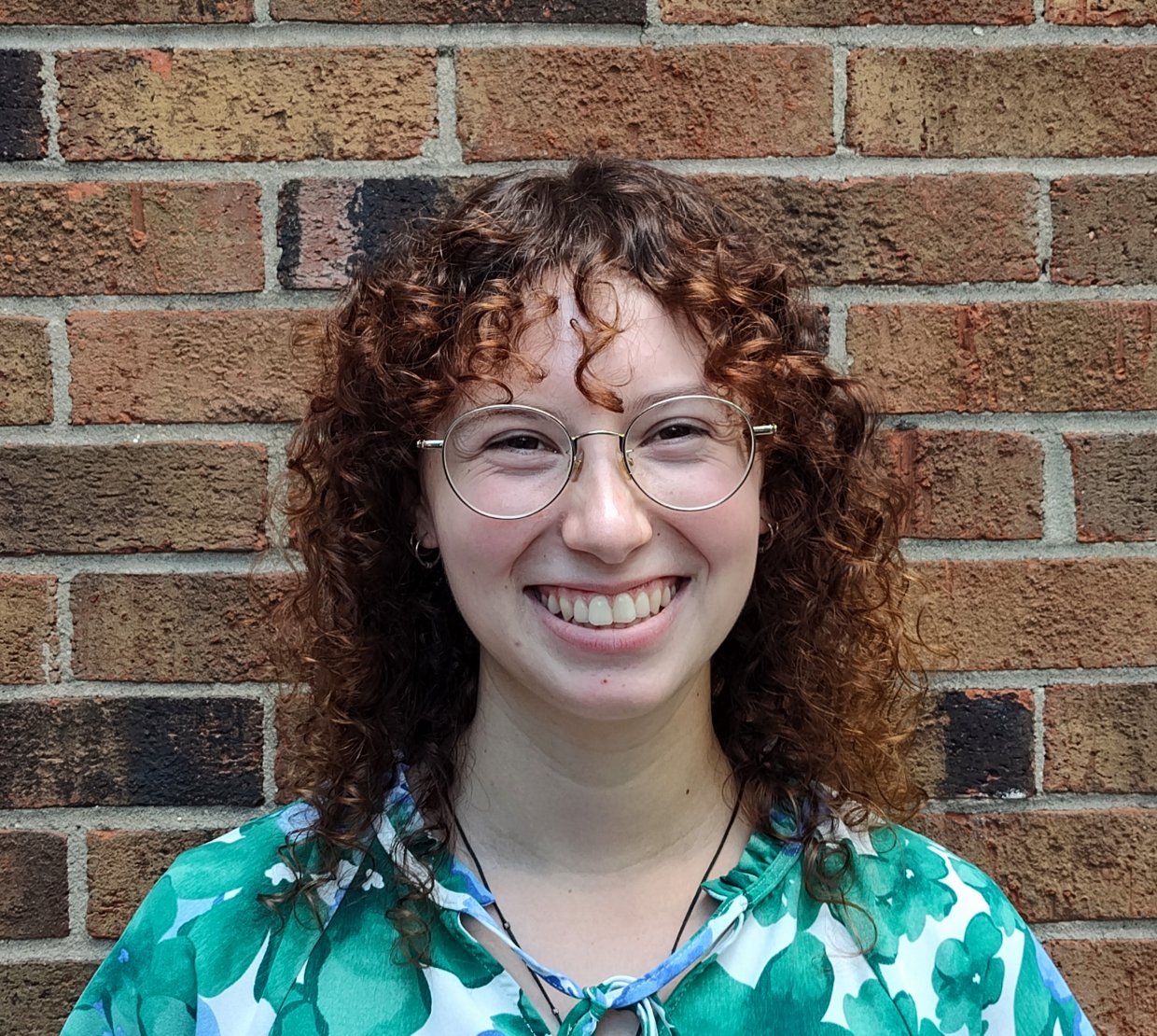
A woman with red hair poses for a picture in front of a brick wall.

OSU math alumna earns national mathematics honor

By Hannah Ashton

Before starting her Ph.D. in mathematics at the University of North Carolina at Chapel Hill in fall 2026, alumna Hannah Dempsey spent four weeks participating in a rigorous mathematics residency program.

The Edge Summer Program, organized by the American Mathematical Society, is designed to help women and gender nonconforming students pursuing graduate school in the mathematical sciences. The 2026 cohort of 14 scholars was selected from a pool of more than 70 applicants. Dempsey was one of three of the participants named a 2026 EDGE Scholar, an additional distinctive honor.

“The connections I made and the confidence I built in my ability to build a strong support system will definitely last,” she said. “Even though we’re not taking the same classes because we’re not at the same universities, we still talked about our coursework in case one of us is struggling and someone else knows how to help.”

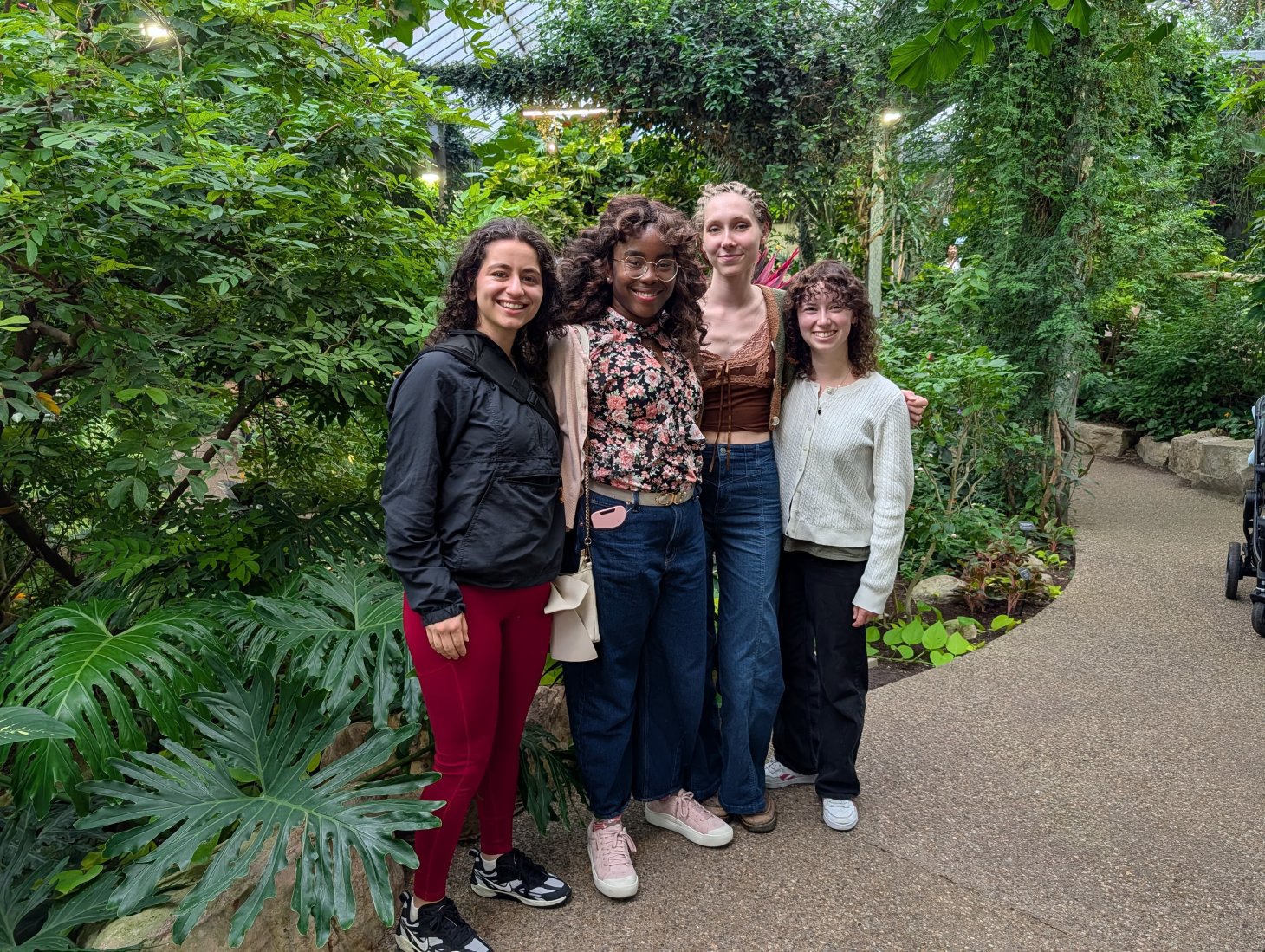
A group of people pose for a photo outside.

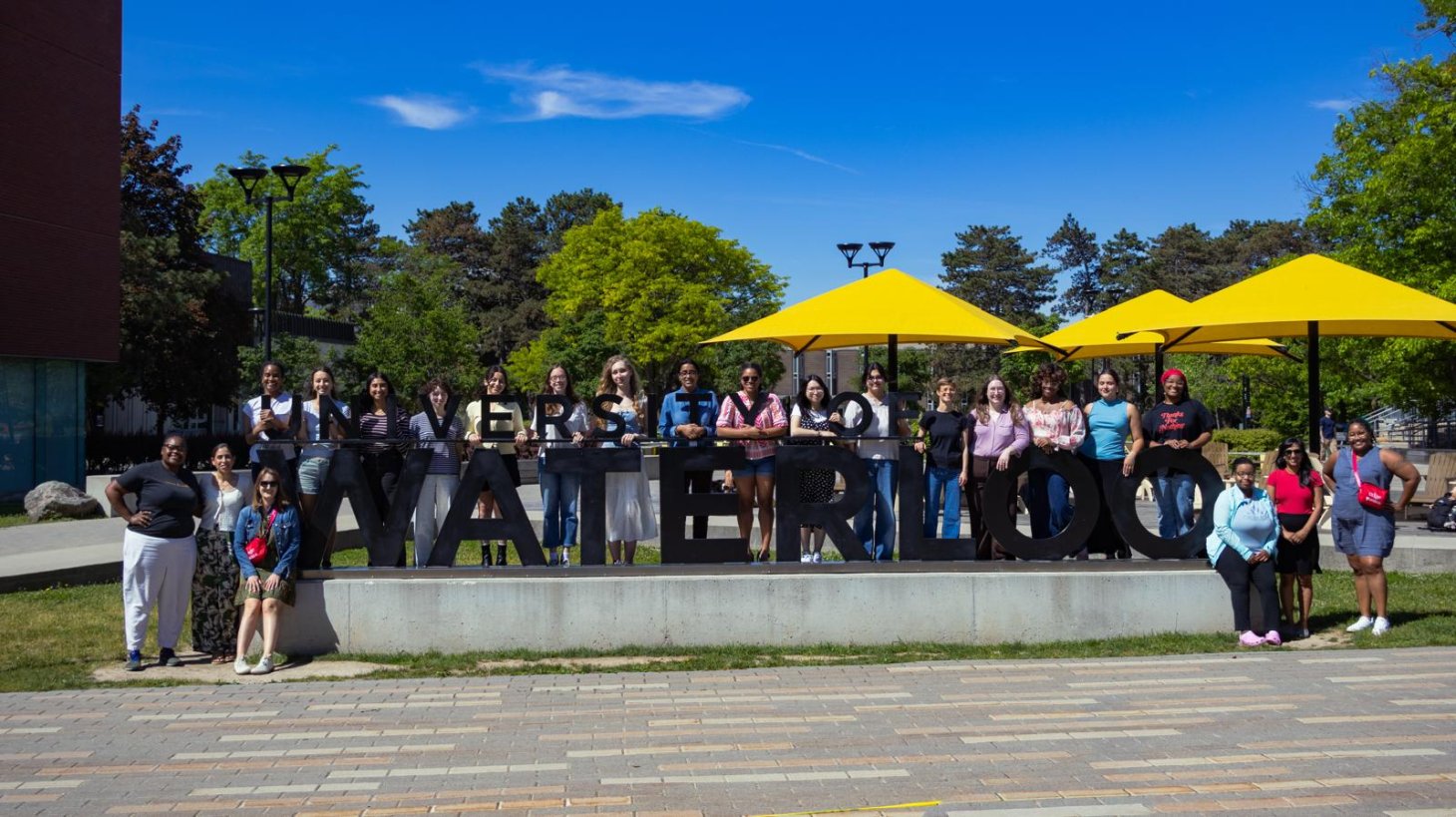
The Edge Summer Program recipients pose for a photo in front of the University of Waterloo sign.

The program consists of daily mathematics lectures, research presentations, colloquia, community-building events and discussions on equity and identity in mathematics, teaching practices and other professional development skills.

Just as important, Dempsey said, was how the program allowed students to be vulnerable.

“Especially in math classes, there is a huge stigma around admitting you don’t know something, since how people perform in those classes is very tied to their self-worth, so admitting something like that feels very dangerous,” Dempsey said. “But at the Edge program, people were very willing to open up and admit they didn’t know something which was super helpful because a lot of other people didn’t know it either.”

Solving the college equation

Dempsey grew up in Oregon, just 12 miles from Oregon State University in Albany.

Although she has always loved mathematics for feeling like a puzzle, she was intimidated by it in high school.

“I took a community college course and that was the first time I considered, ‘I don’t know if I can do this,’ because I really struggled with the pace. I wasn’t sure if it was for me, but I got through it,” she said.

Oregon State was an easy choice because of the flexibility to change majors.

“I wasn’t sure at the time whether I wanted to do more applied science or pure math. I thought OSU would be a good fit because I’d be able to make my decision once I arrived,” she said.

Once on campus, Dempsey utilized office hours to stay on top of the course load and made friends in her classes to talk through different approaches to the same problem. She also joined Math Club and the Association of Women in Mathematics.

“A huge benefit of both of them is being able to talk about math with people who also enjoy it and community-building,” she said. The organizers of Math Club in particular encourage non-mathematics majors to join.
Three woman pose for a photo.

Dempsey (far right) poses with three friends from the Edge Summer Program.

The final piece of her Oregon State puzzle was becoming a learning assistant. The LA program recruits undergraduates onto the teaching teams of courses they have successfully completed, training them to support learning and engagement through individualized guidance.

Dempsey was an LA for seven math courses during her time in the College of Science, and the program changed her future. She previously had an inkling she would like teaching, and becoming an LA confirmed it was something she wanted to pursue.

“I want to become a college instructor of some kind because I like working with students and doing math,” she said.

Dempsey is no longer less than 20 minutes away from Oregon State. She’s now more than 43 hours away pursuing her Ph.D. in Chapel Hill, North Carolina. Thanks to the EDGE Program, she has a strong community of women behind her.

“Having spaces dedicated for women in mathematics is important because a lot of us have shared experiences that we don’t get to talk about very often. Having dedicated spaces where we can do that is very nice because it’s validating when we’ve all been through similar experiences,” she said.

Finding success in the sciences was similar to solving a mathematics problem. It took trial and error, persistence and the support of those around her.


Read more stories about: students, mathematics, awards & recognition