pigments of color surrounding color wheel in OSU color palette
Chemistry

Chemist famous for historic discovery of blue pigment receives NSF award to look for new red

Mas Subramanian, distinguished professor of chemistry at Oregon State University, has received a special $200,000 grant from the National Science Foundation to pursue the holy grail of color research: an inorganic red pigment that’s vivid, safe and durable.

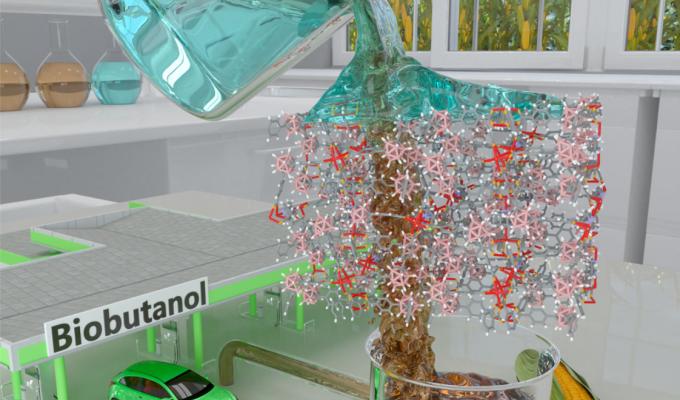
A diagram of biobutanol pouring over a fake, plastic chemistry molecule.
Chemistry

Chemist makes key advance toward production of important biofuel

An international research collaboration, led by Kyriakos Stylianou, an assistant professor of chemistry at Oregon State University, has taken an important step toward the commercially viable manufacture of biobutanol, an alcohol whose strong potential as a fuel for gasoline-powered engines could pave the path away from fossil fuels. The researchers are now looking to partner with industry to try to scale up the separation method using the new metal organic framework, says Stylianou, the study’s corresponding author. If it scales well, it could be an important milestone on the road toward non-reliance on fossil fuels.

Jerri Bartholomew
Microbiology

Recognition for improving health of Pacific salmon

Jerri Bartholomew, the Emile F. Pernot Distinguished Professor and Head of the Department of Microbiology was selected as a 2019 Fellow of the American Fisheries Society, the world’s oldest and largest organization dedicated to advancing fisheries science and conserving fisheries resources.

Choah Shin
Graduate Students

Graduate science fellowship supports interdisciplinary mathematics and energy research

The 2019-2020 Larry Martin and Joyce B. O’Neill Fellowship was awarded to fifth-year mathematics Ph.D. student Choah Shin for high achievement in computational modeling.

A Chinook Salmon swimming in white water
Microbiology

Unique non-oxygen breathing animal discovered
Oregon State microbiologists have made a stunning discovery. The researchers have discovered the first animal that doesn't need oxygen to live. Their unexpected finding changes one of science's assumptions about the animal world.

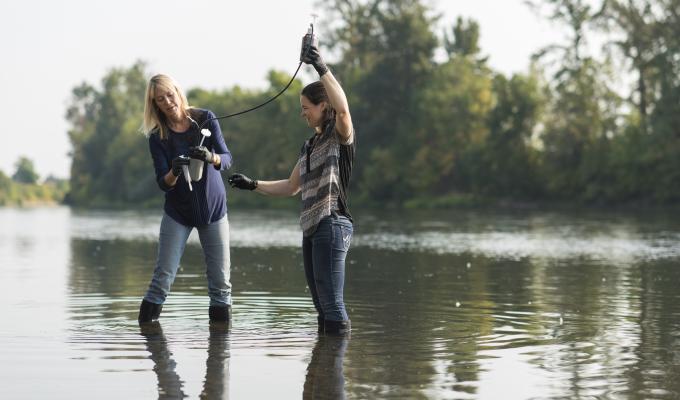
Kim Halsey with graduate student taking samples from a river
Research

New grants to advance science that benefits humankind

How are devastating plant diseases spread? Is there a better way to predict HIV prevalence in a city? How can we detect toxic algae blooms before they occur? And which of the thousands of metal-organic frameworks can be used for storing and separating gases, like CO2 from industrial plants? Four faculty members received College of Science Research and Innovation Seed (SciRIS-ii) awards this February to pursue answers to these questions over the course of the next year.

Bo Sun working in physics lab with student
Faculty and Staff

Scientists garner innovation awards for cancer and materials research

The Science Research and Innovation Seed awards were given to four multidisciplinary research teams working on cancer diagnostics and materials science.

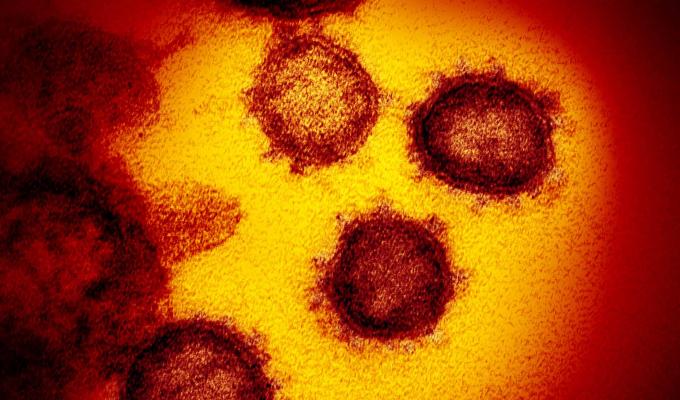
Microscopic image of coronavirus cells
Health and Biotechnology

Demystifying coronavirus: Is it a pandemic and other questions answered

Ecologist Benjamin Dalziel discusses the novel coronavirus outbreak and transmission and its ramifications for all of us.

Beetle triungulin in front of neon green backdrop
Integrative Biology

Fossilized insect from 100 million years ago is oldest record of primitive bee with pollen

The findings shed new light on the early days of bees and the diversification of flowering plants.

Kyriakos Stylianou standing in front of Gilbert Hall
Chemistry

New chemistry professor develops a way to curb CO2 emissions

Chemist Kyriakos Stylianou has developed new carbon capture materials to reduce emissions from anthropogenic sources.

Tori Puoci wearing headset win studio
Students

Helping people care: A passion for science leads to student-created podcast

Victor “Tori” Puoci’s "At This Point” science podcast shapes undergraduate research science stories in such a way that people listen.

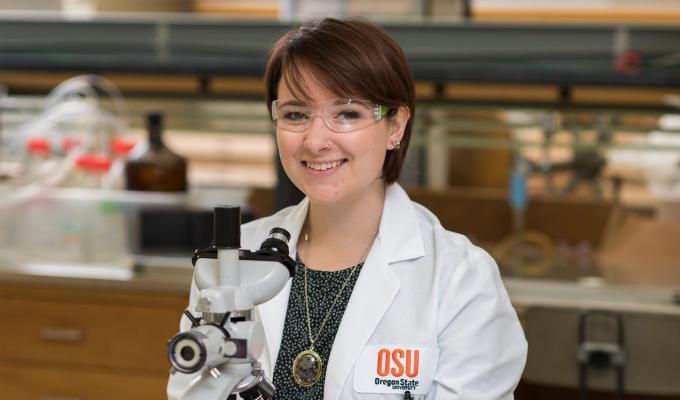
Adrian Gombart in lab coat next to microscope
Biochemistry & Biophysics

Vitamin D increases protection against infection, new model suggests

Biochemist Adrian Gombart and collaborators have led the development of a new model for studying vitamin D’s role in infection prevention.