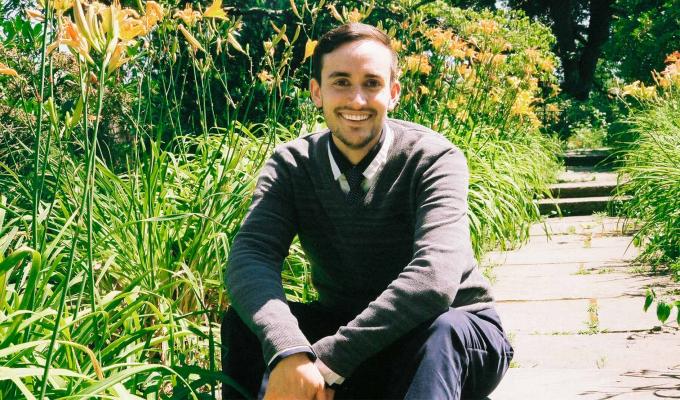
Integrative Biology Ph.D. candidate Bryan K. Lynn studies evolutionary game theory, advocates for LGBTQ+ equity, and excels at pastry creation. His work uses mathematical modeling to investigate the evolution of cooperation, using bacteria as his subjects.
Oregon State University entomologist George Poinar Jr., has identified the oldest known specimen of a fungus parasitizing an ant, and the fossil also represents a new fungal genus and species.
Oregon State University has been selected to host a National Oceanic and Atmospheric Administration institute focused on collaborative study of the rapidly changing ocean and expanded demands on its use.
Oregon State University will conduct its seventh round of TRACE-COVID-19 door-to-door sampling throughout Corvallis the weekend of June 5 and 6 for the coronavirus that causes COVID-19.
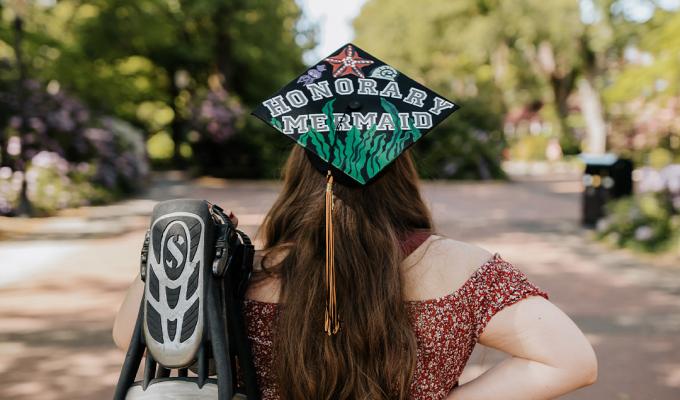
Simone Burton, an Honors biology major with an option in marine biology, has pushed through more obstacles than she could have imagined only four years ago. Now, she is confident that she will find a powerful way to protect marine life through a career in conservation, science communication and outreach.
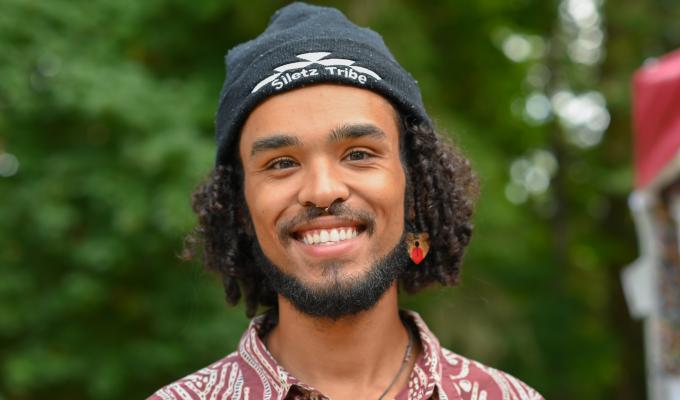
A graduating senior in zoology at Oregon State University, Devonte Casey has been deeply inspired by the synergy between his academic pursuits and his identity as a Native American.
Biden tapped the celebrated Oregon State marine biologist Jane Lubchenco as one of his top advisers. Lubchenco is deputy director for climate and environment at the Office of Science and Technology Policy.
Two species of sand-stabilizing beachgrasses introduced to the Pacific Northwest starting in the early 1900s are hybridizing, raising new questions about impacts to the coastal ecosystems the non-native plants have been engineering for more than a century.
Oregon State University and the College of Science are thrilled to congratulate biochemistry and molecular biology Honors student Maja Engler and biology alumna Emily Newton on receiving the 2021-2022 Fulbright Award.
On April 22, the College of Science celebrated its 2021 faculty and staff awards in a virtual ceremony, recognizing excellence in teaching, mentoring and advising.