Five faculty and scholars from the College of Science are among this year’s award recipients at University Day, OSU’s most prestigious annual awards for research mentoring, scholarship, teamwork, teaching and service.
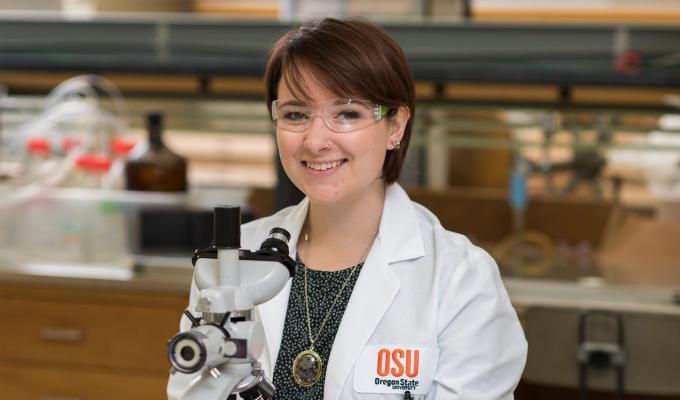
Recent microbiology master’s program graduate Elizanette ‘Nette’ Lopez was selected to participate in the Oak Ridge Institute for Science and Education (ORISE) Fellowship program.
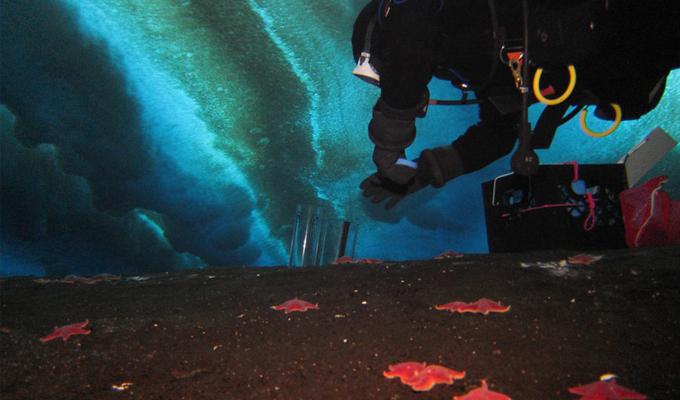
The discovery of the first active methane seep in Antarctica is providing scientists new understanding of the methane cycle and the role methane found in this region may play in warming the planet.
Giovannoni is an internationally recognized microbiologist whose research on microbial diversity, genomics, carbon cycle and ecology in oceanic ecosystems is globally impactful. His research team is deeply engaged in predicting what will happen as the oceans warm and become more acidic.
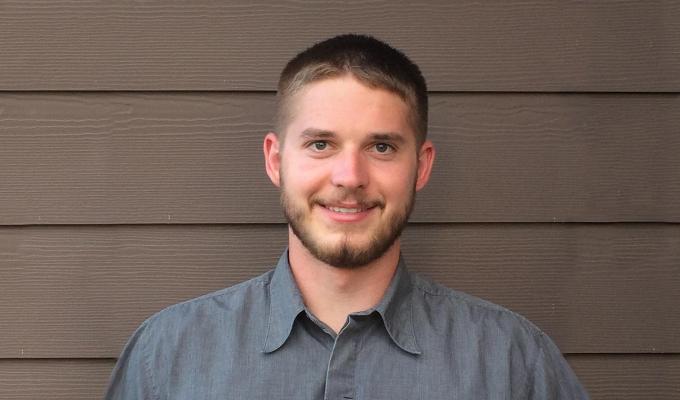
Jacob Maynes, a senior majoring in biohealth sciences, will start medical school at Lake Erie College of Osteopathic Medicine (LECOM) in Erie, Pennsylvania, this July after only three years of college.
Two Ph.D. students in the College of Science— Grace Deitzler in microbiology and John Stepanek in integrative biology — are among three OSU students to receive prestigious National Science Foundation (NSF) Graduate Research Fellowship Program (GRFP) awards in 2020.
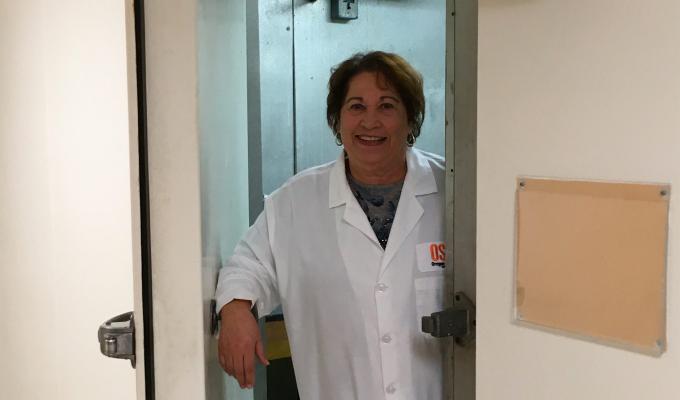
In Nash Hall, the Microbiology Department has 30 labs and auxiliary spaces spread over four stories. When most researchers are staying home or only visiting their labs once a week, Cindy Fisher, Nash Hall building manager, is walking the halls weekly ensuring decades of research is safe and sound.
In her role as a Health Innovators Fellow at the Aspen Institute, Kuy developed a Covid-19 Preparation Tool to help healthcare facilities, businesses and communities rapidly gauge their preparedness for the outbreak, identify areas of weakness and strategically target resources for their greatest impact.
Jerri Bartholomew, the Emile F. Pernot Distinguished Professor and Head of the Department of Microbiology was selected as a 2019 Fellow of the American Fisheries Society, the world’s oldest and largest organization dedicated to advancing fisheries science and conserving fisheries resources.
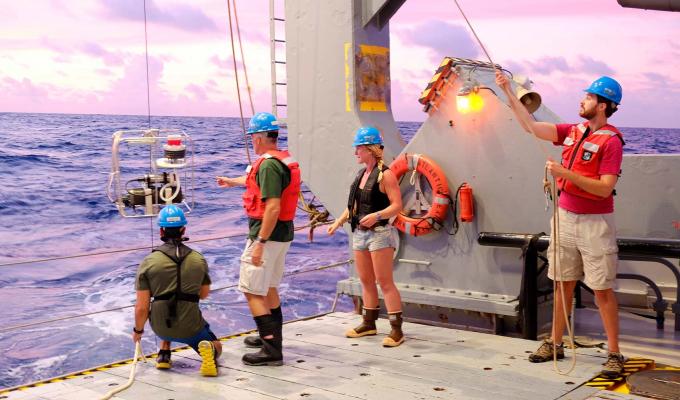
For the first time, scientists have taken a winter sampling of phytoplankton in the North Atlantic. The results revealed that the carbon-absorbing cells were smaller than what scientists expected, meaning a key weapon in the fight against excess carbon dioxide in the atmosphere may not be as powerful as previously believed.