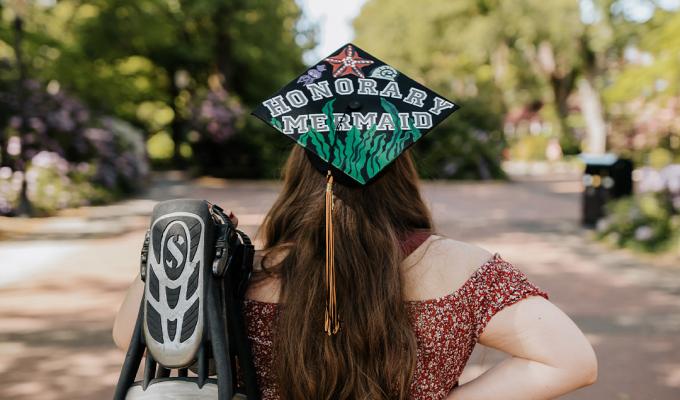
Simone Burton, an Honors biology major with an option in marine biology, has pushed through more obstacles than she could have imagined only four years ago. Now, she is confident that she will find a powerful way to protect marine life through a career in conservation, science communication and outreach.
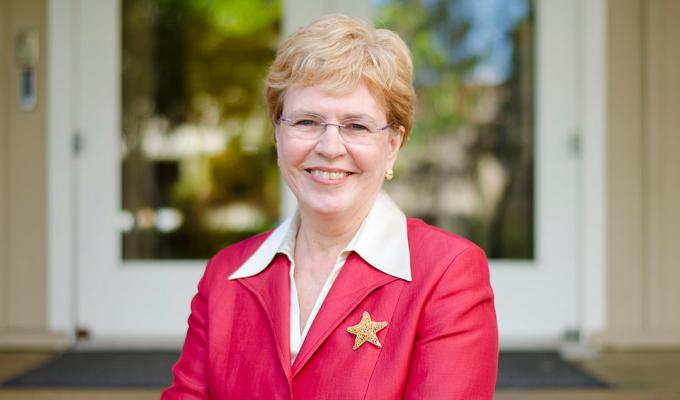
Biden tapped the celebrated Oregon State marine biologist Jane Lubchenco as one of his top advisers. Lubchenco is deputy director for climate and environment at the Office of Science and Technology Policy.
Two species of sand-stabilizing beachgrasses introduced to the Pacific Northwest starting in the early 1900s are hybridizing, raising new questions about impacts to the coastal ecosystems the non-native plants have been engineering for more than a century.
Oregon State University and the College of Science are thrilled to congratulate biochemistry and molecular biology Honors student Maja Engler and biology alumna Emily Newton on receiving the 2021-2022 Fulbright Award.
With expertise spanning marine ecology, biofuel development, new modes of energy capture, evolutionary genetics and the microbiomes of coral reefs, OSU is committed to research that puts the environment first.
One of the most highly cited marine ecologists in the world, Distinguished Professor Jane Lubchenco, will lead climate and environmental science efforts in the White House as the new deputy director of climate and environment.
Meghan Holst, a 2014 marine biology graduate and a biologist at the Aquarium of the Bay in San Francisco, co-developed a tool to help aquarists make end-of-life decisions for the giant Pacific octopus, a popular species in aquariums across the U.S.
For Lily Miksell, the Alexei Lubchenco Menge Undergraduate Research Fellowship presented an exciting opportunity to pursue her interests in ecology and conservation.
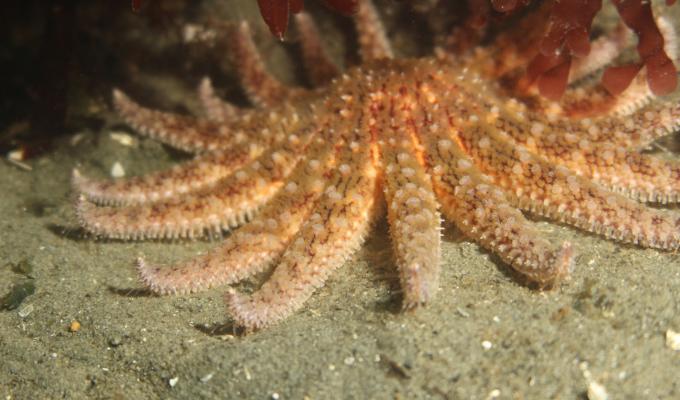
The iconic sunflower sea star has been listed as critically endangered by the International Union for Conservation of Nature following a groundbreaking population study led by Oregon State University and The Nature Conservancy.
Leaders of 14 major maritime nations announced their commitment to achieve 100% sustainable ocean management of their national waters by 2025, acting on recommendations of a group of global experts co-chaired by OSU marine ecologist Jane Lubchenco.
A pivotal National Science Foundation award will enable Oregon State scientists to investigate how microbes influence their wildlife host’s sensitivity and resilience to disruptive changes in the natural environment.