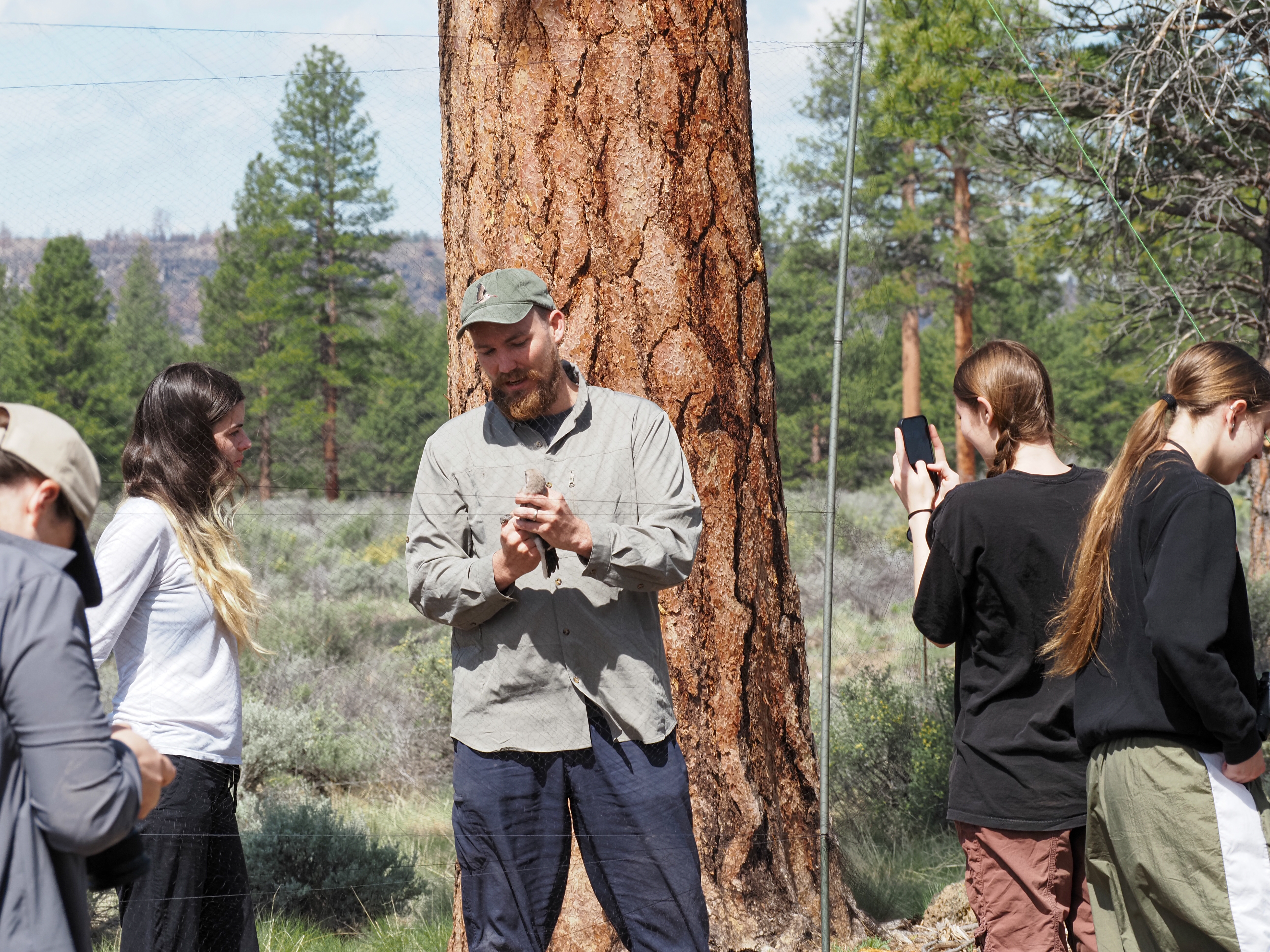
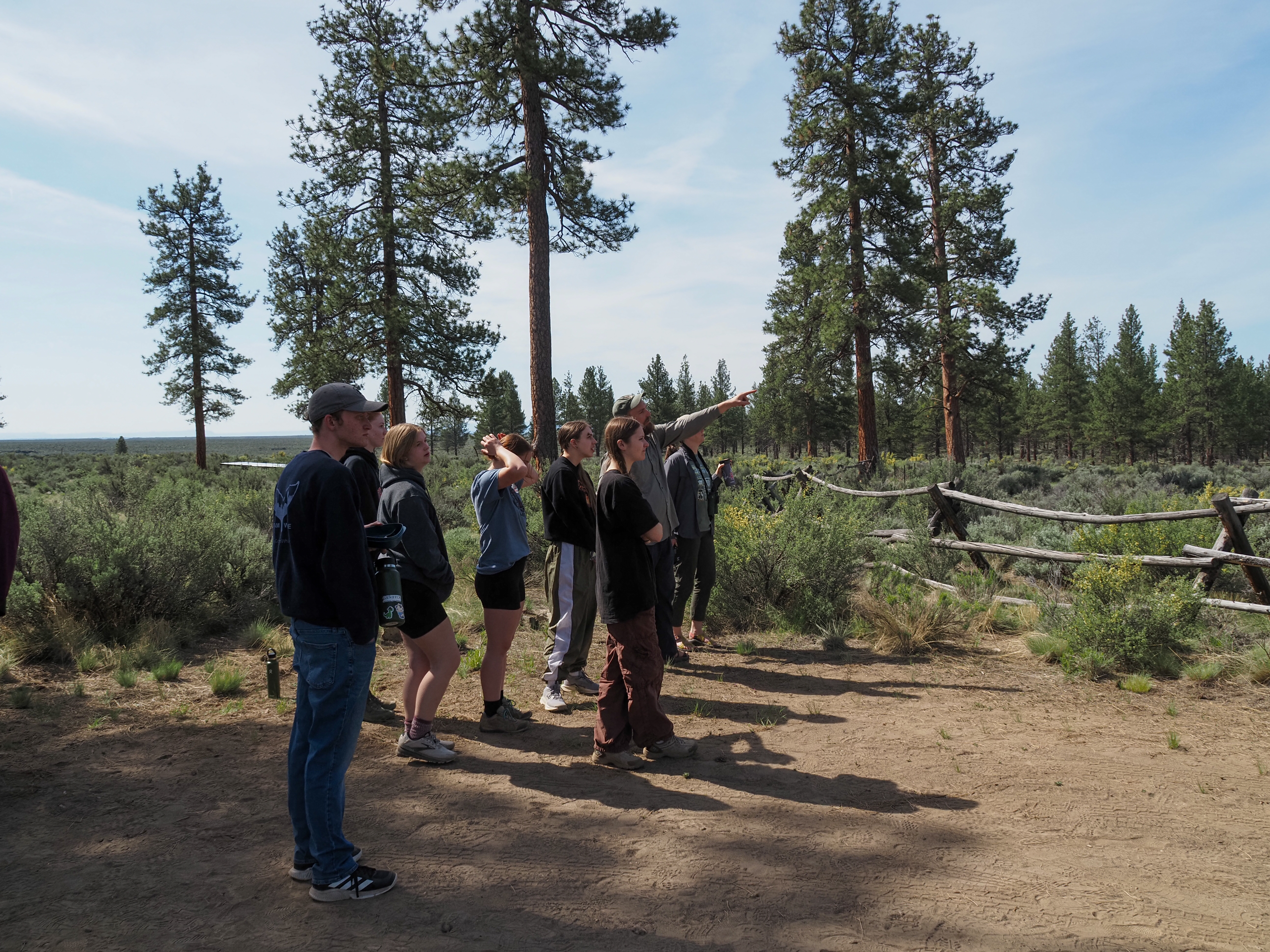
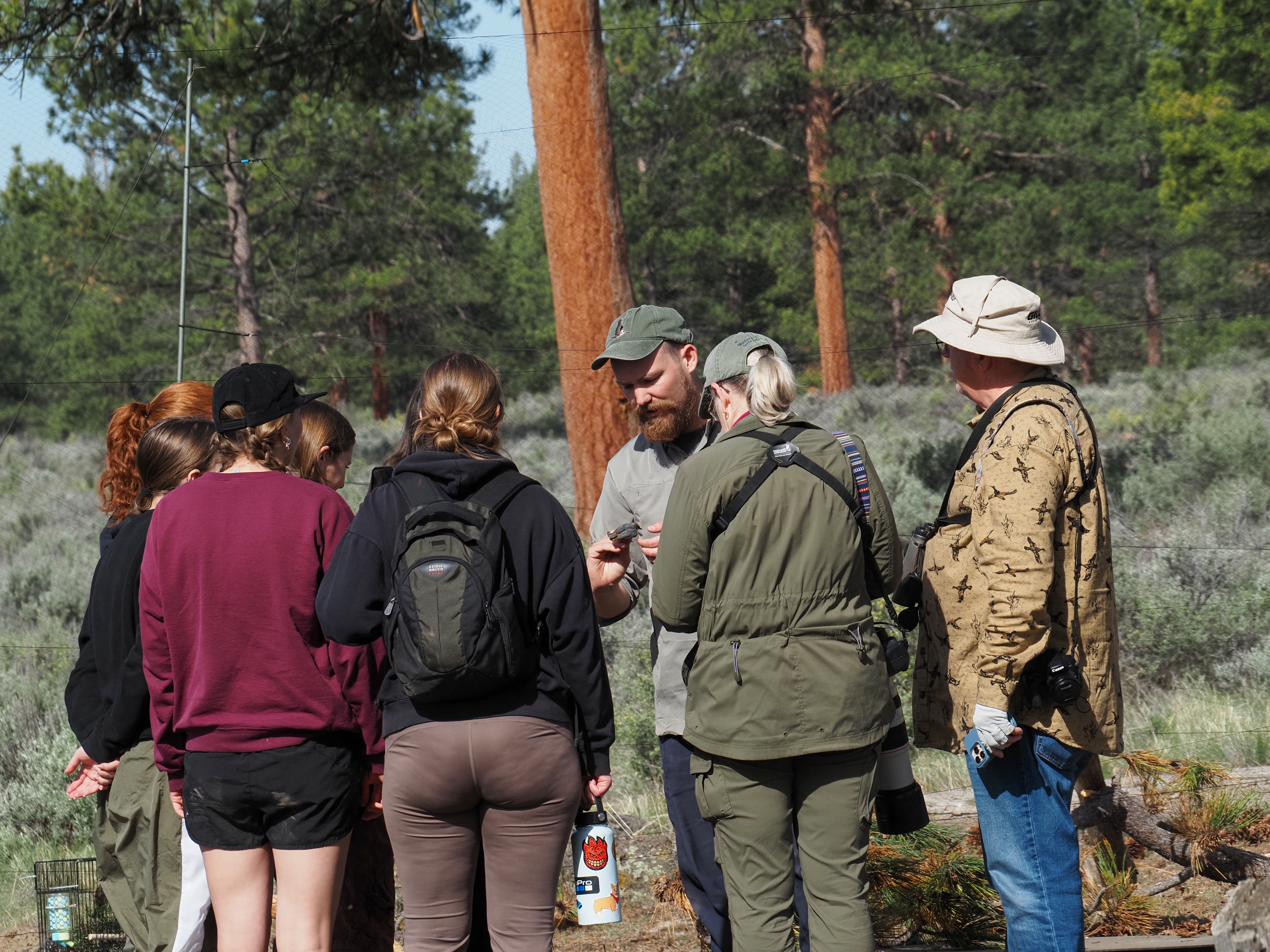
A man holds a bird and shows student. Background is trees and grass.

How a weekend in the Oregon wilderness transformed these biology students' careers

By Hannah Ashton

Ben Sonnenberg of the Little Bird Lab shows a bird to the IBC undergraduate group.

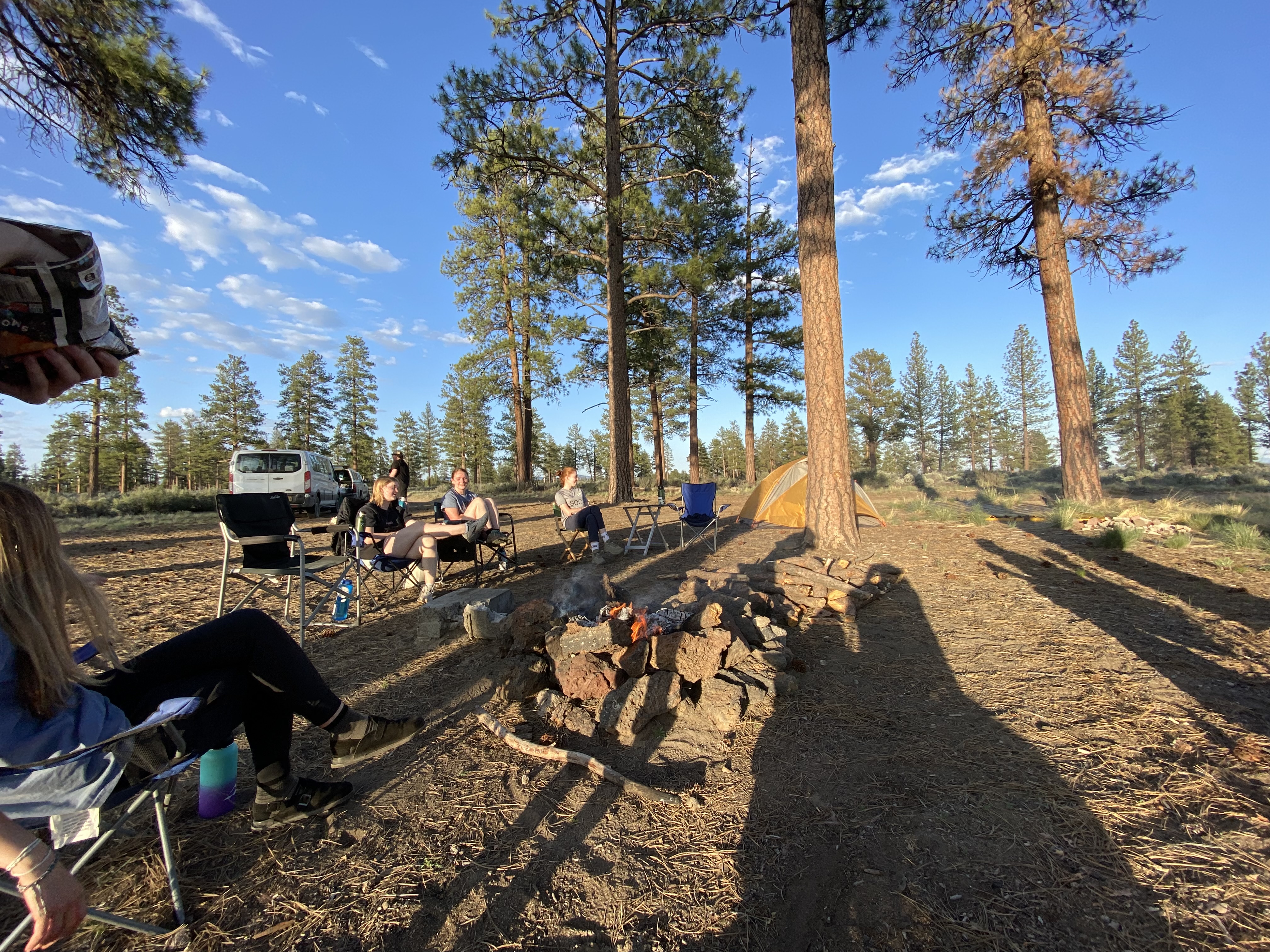
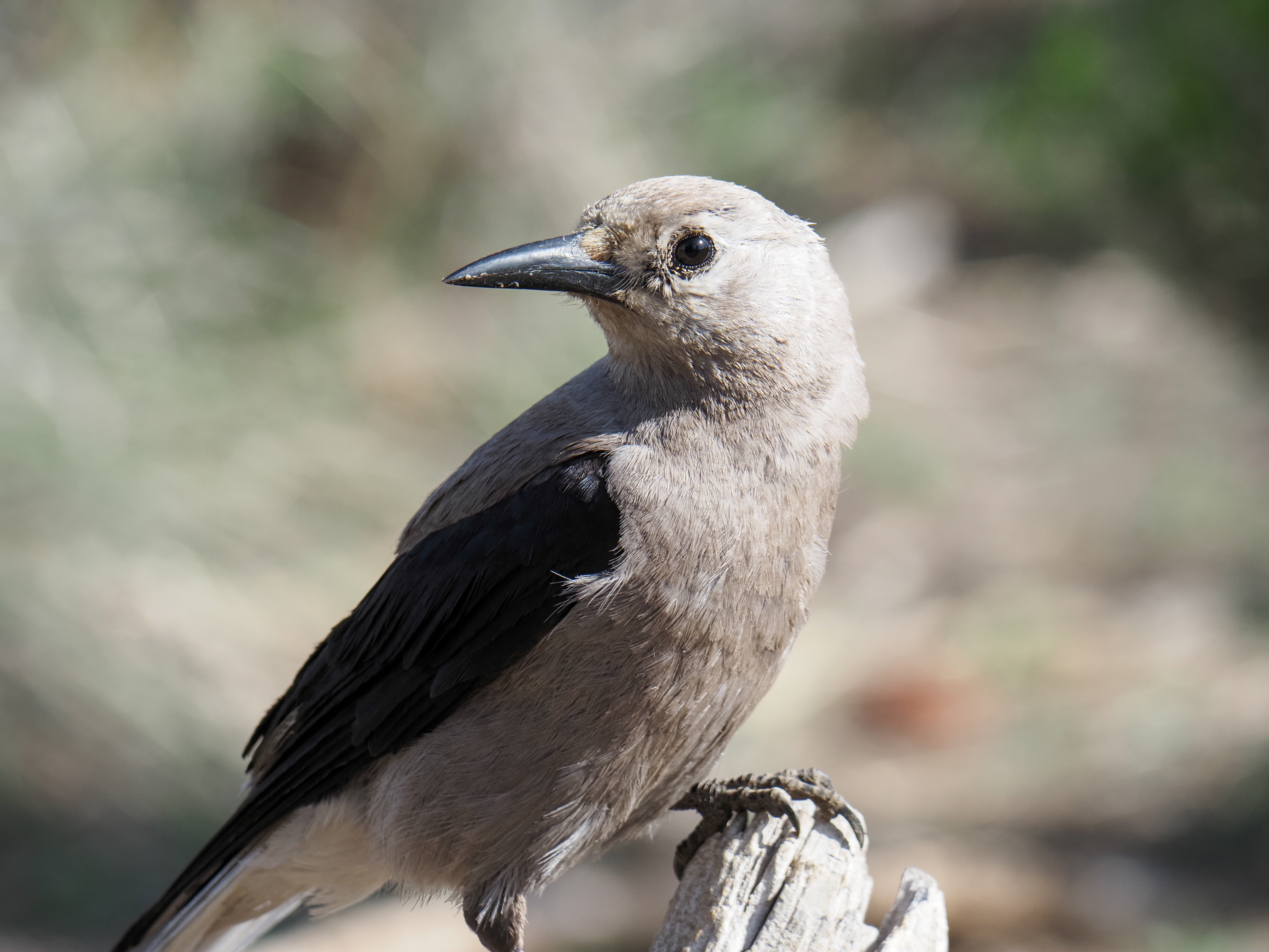
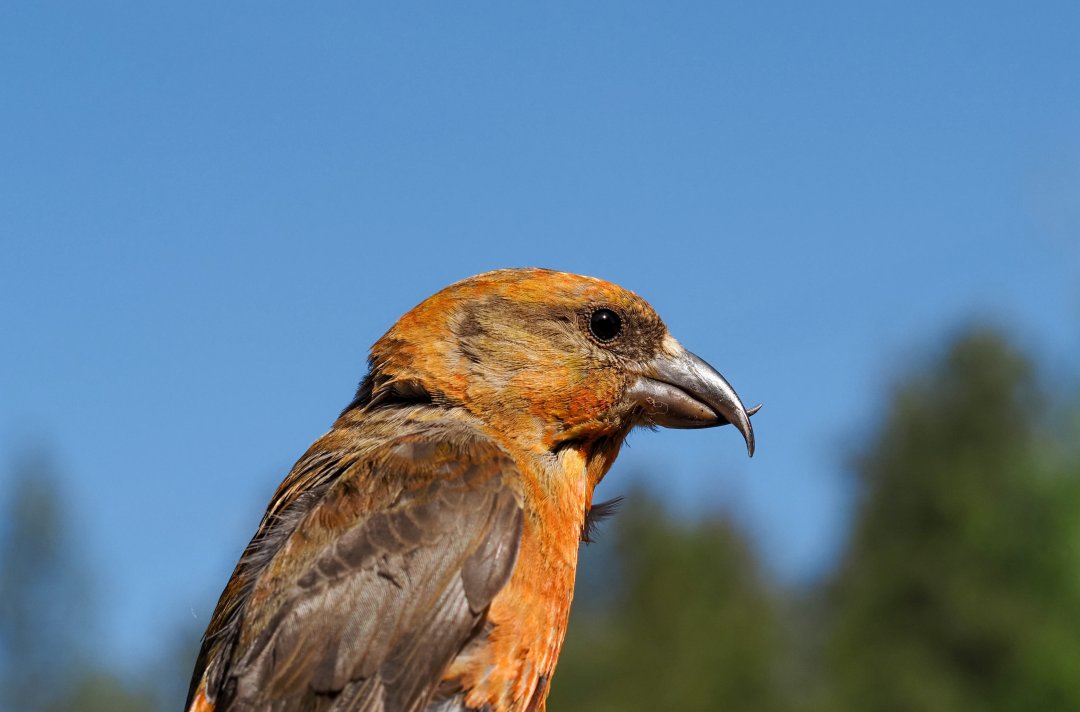
Crouching in a bird blind on Cabin Lake, tucked into the edge of the Deschutes National Forest, Integrative Biology Club (IBC) students scanned the trees. They were looking for red crossbills, small striking birds with bright red feathers and uniquely crossed tips on their bills that help them extract seeds from conifer cones.

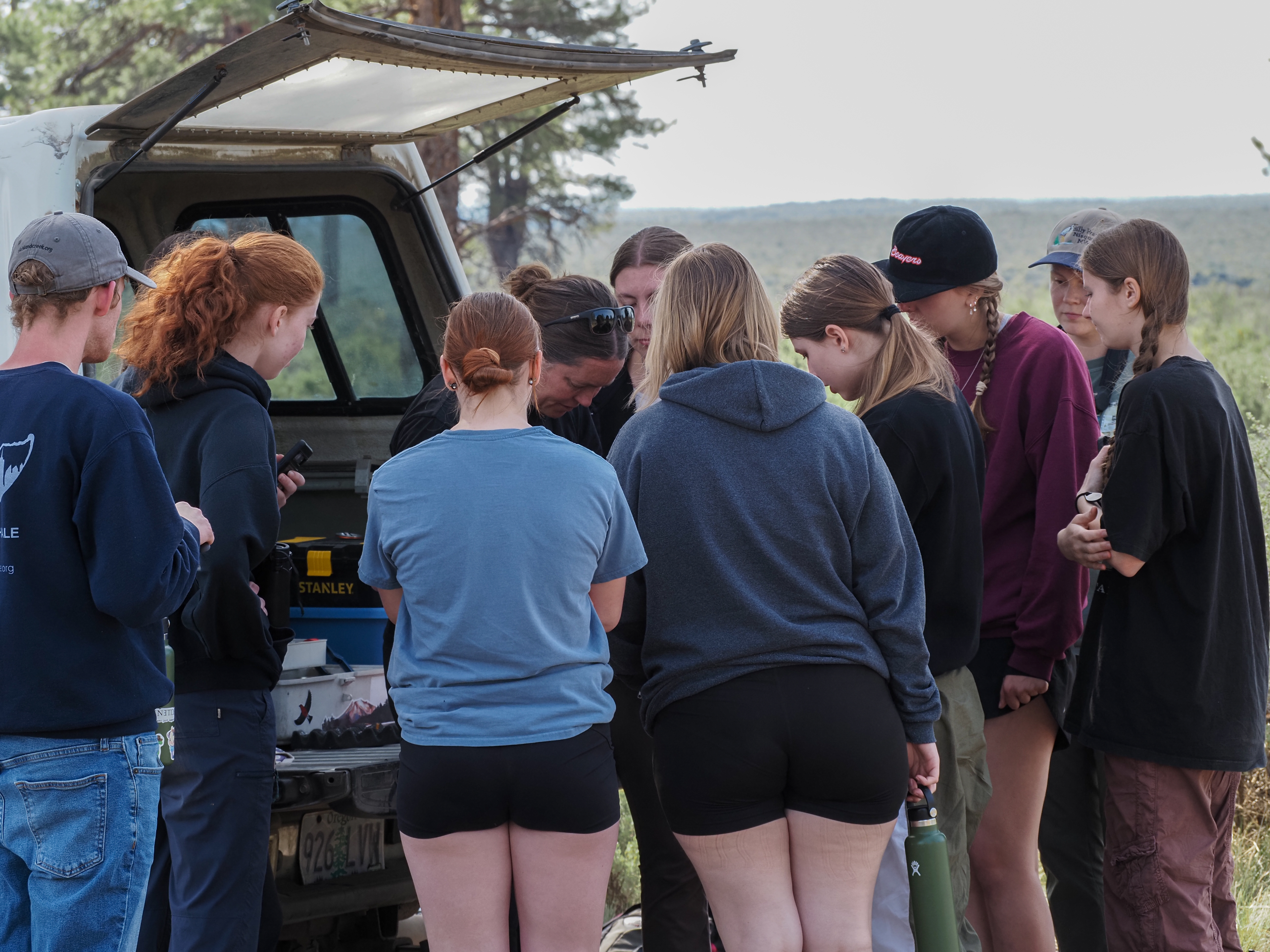
They watched researchers from Jamie Cornelius’ Little Bird Lab conduct field studies in real time — messy, unpredictable and unforgettable work that prepares them for careers in biology, ecology, zoology and other field science spaces.

“I went into this weekend not knowing much about birds and not knowing any of the other IBC members attending; I ended the weekend with active knowledge of many Oregon birds and formed many new friendships with fellow IBC students,” said undergraduate Paige U.

This Dam Proud Day, on April 29, you can help students like Paige get out of the classroom and into experiences that shape their education and careers.
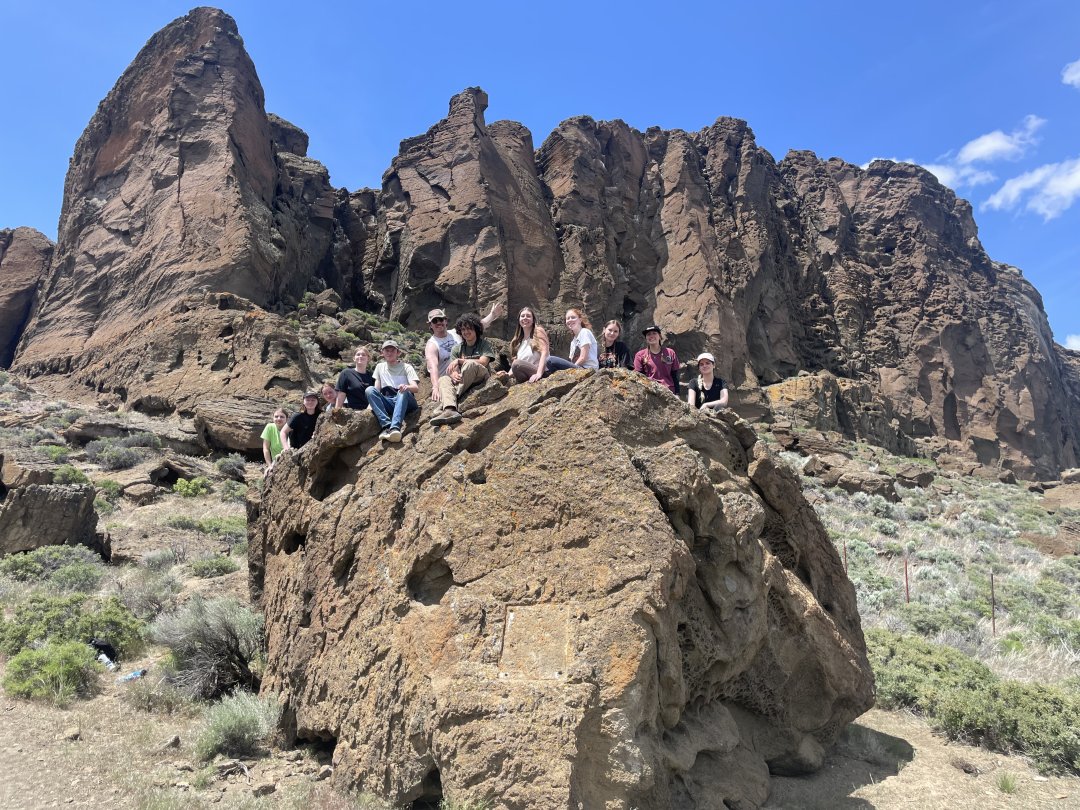
A large group of students pose for a photo sitting on a rock in the Oregon wilderness.

The Integrative Biology Club poses for a photo during their trip with advisor Eric Cole.

Supporting students with gear

Donations to the Integrative Biology Experiential Learning Fund helped make the 2025 birding trip possible. The fund supports the department’s gear library, helping equip students with costly essentials like boots, binoculars, mess kits and headlamps.

“Proper gear allows you to really immerse yourself in the experience without having to worry about your feet getting wet or feeling like you don’t have what other people might have,” said Devon Quick, professor of teaching in the department and involved with many experiential learning opportunities. “It levels the playing field and makes it so that students don’t have to be distracted by the noise of not having the right gear to really engage in the learning experience.”

Last year, donations helped the club purchase XTRATUF boots to navigate wet terrain on the coast or mountains. This year, donations will go toward binoculars and spotting scopes to support field trips, birding excursions and other observational research experiences.

Close up image of a bird.

Red crossbill close-up.

Learning beyond the classroom

Quick knows firsthand how important these experiences are.

“For me, it was my love of nature that led me to pursue a career in science, and being able to get out in nature and walk around and pick things up and notice my surroundings really fueled my fire, academically,” she said.

New Student Head Advisor Eric Cole, who helped run the Research Observation trip, said field experiences are not something students can replicate through a screen.

“Students come in with a very romanticized idea of what field research is like,” Cole said. “These trips give them a confirmation of what it actually looks like and if they want to keep working towards it.”

Grace M., a sophomore, went on the trip as a freshman. She called the trip a “wonderful insight” into the world of biology outside of classes and lab work.

“Our first birding site filled my head with so many different ideas and paths for which I could take in biology. I felt like I truly started to understand how expansive and important our community is. I am incredibly grateful to have been given this opportunity as it has allowed me to feel so solidified in my career to come.”

Trips like these give students more than knowledge of birds or the geography of Oregon. They build confidence, foster curiosity and create lasting connections with peers and mentors. Experiential learning immerses students in real research, letting them explore the natural world while discovering what kind of scientist they want to become.