Mathematics provides the language and tools to identify patterns, model complex systems, evaluate uncertainty and solve complex problems across science, technology, business and society. From modeling disease outbreaks to designing algorithms and improving financial decision-making, mathematics plays a role in nearly every field that depends on data and logical reasoning.
As a mathematics major at Oregon State University, you will build a foundation in calculus, algebra, analysis, geometry, probability and mathematical reasoning with options to specialize in computational methods, mathematical biology, data science or actuarial mathematics. Oregon State graduates apply these skills across many diverse fields, all of which benefit from mathematics.
What careers do Oregon State mathematics graduates pursue?
Explore where Oregon State mathematics graduates work and the career paths they've taken. Discover real alumni outcomes, including job titles, employers and educational pathways, to see where your degree could take you.
- Software, computing and cybersecurity
- Actuarial, finance and business
- Education and academic careers
- Data science, statistics and analytics
- Engineering and advanced technology
- Health, biotechnology and medical technology careers
- Scientific research
Read more
Median annual wages in 2024 were:
- $133,080 for software developers (entry level: Bachelor’s degree)
- $125,770 for actuaries (entry level: Bachelor’s degree)
- $112,590 for data scientists (entry level: Bachelor’s degree)
- $104,350 for mathematicians and statisticians (entry level: Master’s degree)
- $91,290 for operations research analysts (entry level: Bachelor’s degree)
- $64,580 for high school teachers (entry level: Bachelor’s degree)
These are national occupational figures, not earnings specifically reported by our alumni. A mathematics degree can take you in many directions. Our alumni have ended up as business owners, radiologists, attorneys, surgeons, pastors and even the Beav’s Softball Team Director of Operations.
Career Pathways
Software, computing and cybersecurity careers
Software and computing rely on logical reasoning, abstraction and structured problem-solving — the same habits developed through mathematics. Mathematics graduates have developed software, administered technical systems, tested digital products and worked in information security. Some have advanced into technical leadership and management.
Pathway: The Applied and Computational Mathematics option is a strong fit for students interested in software and computing because it emphasizes mathematical modeling, numerical methods and computation. A Computer Science minor can add programming, software development and broader computing preparation. Students seeking even greater depth may consider a second major in Computer Science.
Our graduates have worked as:
- Software engineer
- Software systems engineer
- Android developer
- Software test engineer
- IT consultant
- Implementation consultant
- Cybersecurity researcher
At these employers (and more):
Google, Amazon, Nike, HP, Garmin AT, Infineon Technologies, NWEA, Trelix, Cayuse, Metal Toad, Fast Enterprises, Oblong Industries, Capital Group.
Actuarial, finance and business operations careers
Mathematics is closely connected to decisions about risk, money and organizational performance. Our graduates apply mathematical thinking across every level of business operations.
Actuaries evaluate uncertainty and financial risk, while other financial and business oriented mathematicians use analytical skills to improve business processes, manage operations or support organizational strategy.
Pathway: The Statistics option develops foundations in probability, data analysis and statistical theory that are useful in actuarial and financial work. Add the Actuarial Science minor to your mathematics degree for specialized preparation in financial, statistical and analytical areas. Additional credentials may be needed for some careers. Actuaries require professional examinations, while accounting positions may need specialized coursework or certifications.
Our graduates have worked as:
- Actuary
- Actuarial developers, analysts and assistants
- Risk analyst
- Business analyst
- Finance manager
- Investment research director
- Tax manager
- Staff accountant
- Operations director
- Sustainability and procurement manager
At these employers (and more):
Cambia Health Solutions, The Standard, M Financial Group, Independent Actuaries, Milliman, Mutual of Omaha, Liberty Mutual, Providence Plan Partners, SAIF Corporation, Summit Benefit and Actuarial Services, Rael & Letson, Laird Norton Wealth Management, Houck Evarts & Company, Grant Thornton, Mahoney Environmental, F45 Training.
Education and academic careers
OSU mathematics alumni are deeply invested in education. They teach in middle and high schools, community colleges and universities, while others contribute to curriculum development, instructional programs, faculty development and academic leadership. Across these settings, mathematics educators help students build quantitative reasoning, problem-solving skills and confidence with abstract ideas.
Pathway: The mathematics major’s Secondary Teaching Emphasis provides subject-area preparation for students who plan to pursue teaching licensure. At Oregon State, students may also complete the Secondary Education major with the Advanced Mathematics Teaching option, which leads to an Oregon teaching license. The mathematics option can also prepare students for a fifth-year or graduate licensure program. College and university teaching positions generally require graduate education.
Our graduates have worked as:
- K-12 mathematics teachers
- College lecturers, instructors and professors
- Academic program director
At these employers (and more):
Sherwood High School, Clover Park School District, Oregon City Public Schools, Linn-Benton Community College, Clark College, City Colleges of Chicago, Portland State University, Oregon State University, University of California San Diego, Suleyman Demirel University, Washington State University Vancouver.
Data science, statistics and analytics careers
When information is abundant but decisions are uncertain, data science and analytics provide ways to find structure, measure risk and turn evidence into action. Mathematics graduates use probability, statistics, modeling and computation to identify patterns and communicate findings in technology, healthcare, science, sports and business.
Pathway: The Statistics option provides the most direct preparation in probability, data analysis and mathematical statistics. A Data Science minor can complement that foundation with programming, data management, visualization and the ethical use of data. Some math graduates strengthened their preparation through graduate study in statistics or data analytics.
Our graduates have worked as:
- Data scientists and analysts
- Data engineer
- Business analyst
- Data analytics specialist
- Visual analytics consultant
At these employers (and more):
iovation, PacificSource Health Plans, Nike, Bloomberg, Curinos, Groundspeed Analytics, Amazon Web Services, Atlassian, Vacasa, Lowe’s, T-Mobile, Pacific Northwest National Laboratory, St. Louis CITY SC.
Engineering and advanced technology careers
Mathematics graduates bring a particular point of view that is valuable wherever complex technologies must be designed, tested and improved. Alumni have worked across diverse consumer industries, from electronics to aviation to medical equipment, applying mathematical thinking to engineering challenges.
Pathway: The Applied and Computational Mathematics option is a strong choice for these careers. A Physics or Computer Science minor can add knowledge of physical systems, programming or hardware. Students pursuing highly specialized or discipline-specific engineering positions may benefit from a related second major and should plan early with their advisors.
Our graduates have worked as:
- Application and field service engineers
- Hardware design and validation engineers
- Mechanical and systems engineers
- Technical solutions engineer
- Tool integration analyst
- Process engineer
- Manufacturing technicians
At these employers (and more):
Apple, Siemens Healthineers, 98point6, General Dynamics, Ebara Technologies, Nanoverse Technologies, Epic Aircraft, Collins Aerospace, Hailo, Marvell Semiconductor, onsemi, Intel, HP.
Health, biotechnology and medical technology careers
Contributing to health care does not always require working directly with patients or attending medical school. Mathematics supports health outcomes through data analysis, scientific research, software, engineering, actuarial analysis and business operations. The careers highlighted here also appear in other sections of this page; they are brought together here to show how students interested in improving health outcomes can apply mathematical training across healthcare, biotechnology and medical fields.
Pathway: The Mathematical Biology option is a good fit for those interested in health, biotech or pharmaceutical industries with preparation in statistics, chemistry and mathematical biology, and access to upper division learning in genetics, ecology, computational biology or population dynamics. Depending on their career goals, students may also benefit from coursework or experience in data science, computer science, biology or engineering.
Our graduates have worked as:
- Data scientists and analytics specialists
- Information analyst
- Scientist
- Engineers (field service, software systems, principal)
- Actuary
- Business systems analyst
- Government pricing director
- Finance manager
At these employers (and more):
Inari Medical, Kaiser Permanente, Kinsa, PacificSource Health Plans, Schrodinger, Siemens Healthineers, Illumina, 98point6, Providence Plan Partners, Novartis, Cambia Health Solutions, Performance Health Technology, Idaho Department of Health and Welfare
Research careers
Some Oregon State mathematics graduates use mathematical methods to investigate questions in computing, physics, aerospace and space science.
Pathway: These careers often combine advanced mathematics with computer science, statistics, physics or engineering. A master’s degree or doctorate is a common requirement for independent research and university-based positions.
Our graduates have worked as:
- Research scientist
- Scientist
- Research faculty
- Mathematician
At these employers (and more):
Adobe Research, SRON Netherlands Institute for Space Research, Lockheed Martin Corporation, University of Chicago, Southern Oregon University
Career Preparation
Related career paths across the College of Science
Many career paths pursued by mathematics graduates overlap with those of other majors in the College of Science. Programs such as data science, chemistry, physics and others share analytical foundations with mathematics and can lead to related careers in research, analytics, education, health professions and industry.
Common questions
Skills developed through mathematics coursework and related hands-on experiences include::
- Quantitative reasoning
- Logical and abstract thinking
- Computational problem-solving
- Statistical analysis
- Mathematical modeling
- Pattern recognition
- Evaluating risk and uncertainty
- Programming and working with technical systems
- Research and evidence evaluation
- Explaining complex ideas
- Learning new technical subjects
- Working across mathematics, science and technology
- Managing complex projects
- Making decisions using data
Your coursework, degree option and experiences outside the classroom will all shape the skills you develop while at Oregon State.
Coursework builds the theoretical and analytical foundation for careers in mathematics and related fields. Beyond the classroom, experiences such as undergraduate research, internships and applied projects help students strengthen technical skills, solve real-world problems and develop professional connections.
Oregon State mathematics students have gained experience through university and federal research, local government, accounting, software and web development, and other applied settings.
Undergraduate research
Research can help you learn how mathematical ideas are used to investigate questions that do not have predetermined answers.
Our students have participated in: :
- Undergraduate research at Oregon State
- Research experience in a university laboratory
- A research internship at NASA Langley Research Center
Internships
Our alumni have interned at:
- NASA Langley Research Center
- Benton County
- Houck Evarts & Company
- VoteTree
- A University of California, Davis research laboratory
Other experiential learning
Alumni participated in many diverse activities to build leadership, communication and teamwork experiences, including:
- Student media production
- Mathematics Club leadership
- Student government
- Professional and academic organizations
- Community event leadership
- Online technical communities
Many Oregon State alumni entered software development, technology, consulting and business careers with a bachelor’s degree. Employers in these fields often place significant value on programming ability, technical experience and demonstrated problem-solving skills.
Post-graduate licenses or professional credentials are typical in actuarial careers, mathematics education, accounting, law, management and finance. In actuarial fields, for example, it’s normal to continue earning professional credentials as you work to progress in your career and salary.
Graduate education is more common in careers that require advanced specialization or scientist-led research. A master’s degree or doctorate may be required for:
- University teaching
- Independent scientific research
- Advanced computer science research
- Statistics and specialized analytics
- Applied mathematics
- Certain engineering and technical research positions
Alumni have continued their education at Oregon State and at universities across the United States and internationally.
Typical universities
- Oregon State University
- Princeton University
- Cornell University
- University of California, Berkeley
- Purdue University
- University of Colorado Boulder
- Columbia University
- University of North Carolina at Chapel Hill
- University of Florida
- University of Sydney
Common graduate disciplines
- Mathematics, applied mathematics, statistics and data analytics
- Education, including mathematics, general, science and secondary
- Computer science, electrical engineering and software engineering
- Business, finance, accounting and management
- Physics, optics and aerospace engineering
Our Alumni
See where they are
These mathematics alumni started out right where you are.
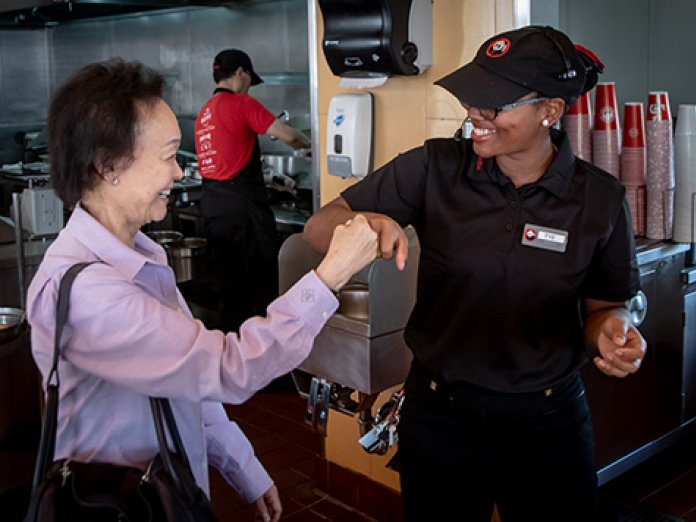
Using analytical know-how to build a restaurant empire
Using analytical know-how to build a restaurant empire

Following a passion for math and physics to Berkeley
Following a passion for math and physics to Berkeley


Building a technical writing career at Amazon
Building a technical writing career at Amazon


Turning mathematics into an AI venture
Turning mathematics into an AI venture

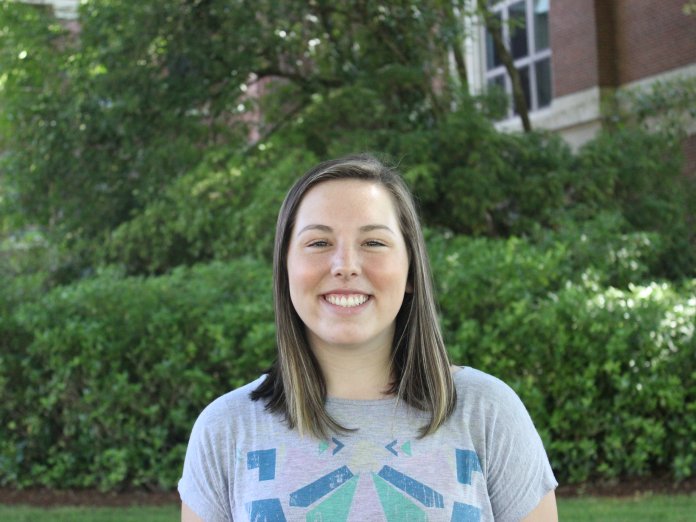
Bringing mathematical problem-solving to business consulting
Bringing mathematical problem-solving to business consulting
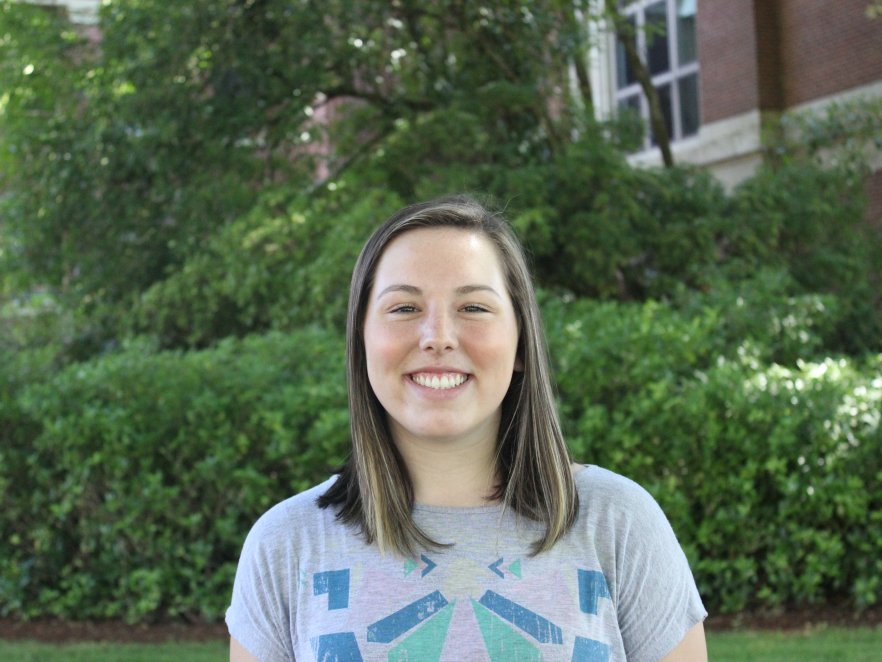
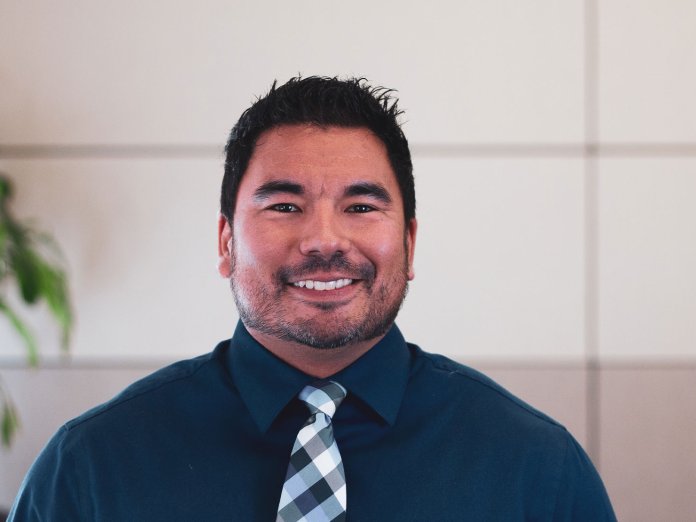
Using mathematics to build smarter manufacturing systems
Using mathematics to build smarter manufacturing systems
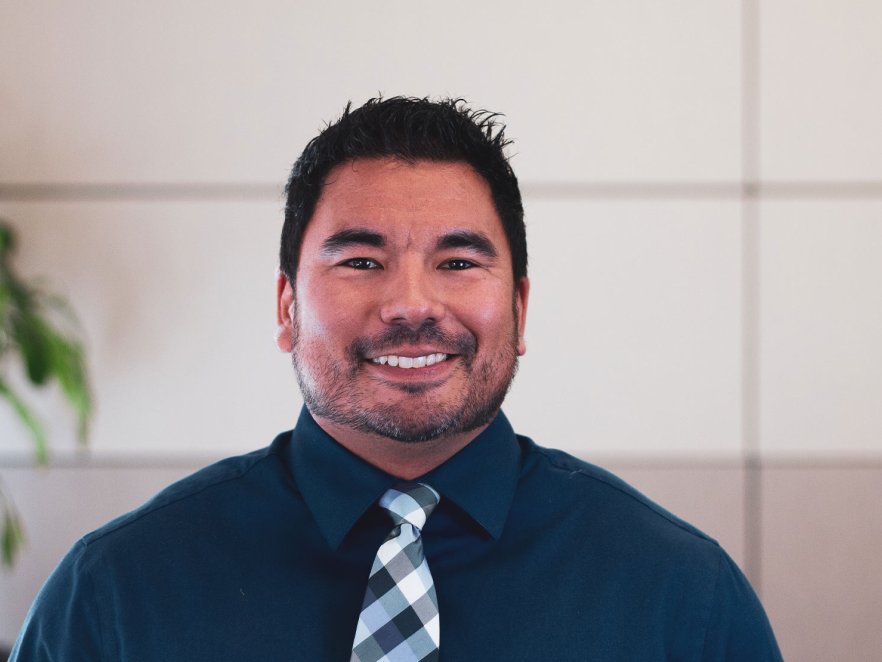

Rising to leadership in actuarial science
Rising to leadership in actuarial science

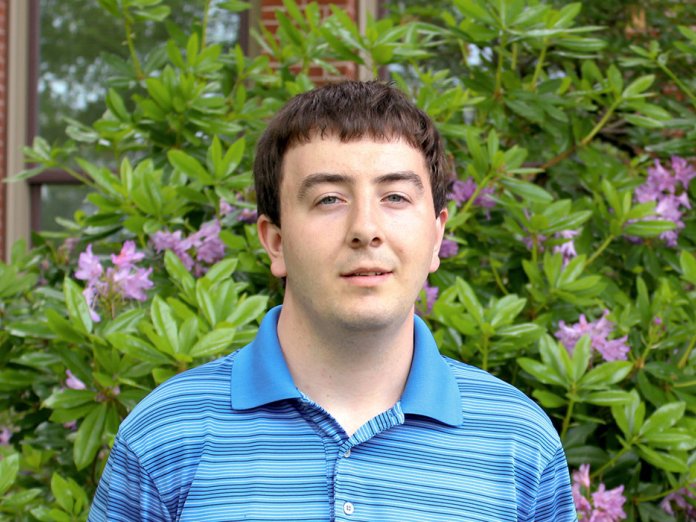
How robotics research helped launch a software career at Google
How robotics research helped launch a software career at Google
The mathematician whose work helped make DNA sequencing possible
The mathematician whose work helped make DNA sequencing possible