Understanding human health begins with biological sciences. BioHealth Sciences broadens that to an interdisciplinary study of the processes that keep people healthy, what happens when those processes break down and how scientific discoveries lead to better prevention, diagnosis and treatment.
As a BioHealth Sciences major at Oregon State University, you can study human biology, physiology, genetics, chemistry and related life sciences while building connections to biomedical research, public health and health care.
That scientific foundation prepares graduates to pursue patient-care careers, contribute to biomedical discoveries, improve public health and support the development of new health technologies.
Healthcare workers are in high demand!
The Bureau of Labor Statistics expects most healthcare-related occupations to grow much faster than average over the next ten years, with the Physician Assistant career field growing as much as 20%.
$100K
Median salary for healthcare practitioners and medical scientists with a professional degree
1.9M
Annual job openings in healthcare expected in the U.S.
What careers do Oregon State BioHealth Sciences graduates pursue?
Explore where Oregon State BioHealth Sciences graduates work and the career paths they've taken. Discover real alumni outcomes, including job titles, employers and educational pathways, to see where your degree could take you.
- Pharmacy and pharmaceutical care
- Physician assistant practice and medicine
- Dentistry
- Optometry and vision care
- Nursing and specialized patient care
- Public health, health administration and analytics
- Pharmaceutical, medical device and health industry careers
- Research, biotechnology and laboratory science
- Physical therapy, rehabilitation and clinical specialties
Career Pathways
Pharmacy and pharmaceutical care
Pharmacy applies knowledge of biology, chemistry and human health to understand how medications affect the body and how they can be used safely and effectively. In addition to retail and clinical pharmacists who work directly with patients, BHS alumni have led careers in pharmacy education, staff training, management, managed care and medical affairs within the pharmaceutical industry.
Pathway: Becoming a pharmacist requires a Doctor of Pharmacy degree and state licensure. OSU’s College of Pharmacy is a common destination among BHS alumni, but the Pre-Pharmacy option will prepare you to meet most or all of the requirements for admission to pharmacy schools nationwide. A business minor or MBA may also serve students interested in both the clinical and business sides of pharmacy.
Our graduates have worked as:
- Retail and clinical pharmacists
- Pharmacy managers and leads
- Pharmacy residents and interns
- Investigational drugs and research resident
- Pharmacy technician
- Pharmacy educators and training directors
- Medical affairs manager
At these employers (and more):
Oregon Health & Science University, Kaiser Permanente, Samaritan Health Services, Legacy Health, Multnomah County Health Department, Unity Center for Behavioral Health, U.S. Department of Veterans Affairs, PacificSource Health Plans, MD Anderson Cancer Center, Brigham and Women’s Hospital, Ardon Health, Hillsboro Medical Center, Walgreens, Costco, Fred Meyer, Broadway Apothecary, Bayer, Pacific University, Dev Northwest Compounders
Physician assistant practice and medicine
BioHealth Sciences prepares graduates for careers at the center of clinical care. Physician assistant practice draws on the biological sciences to understand health, diagnose disease or injury and guide treatment. Physician assistant is one of the fastest growing career areas according to the Bureau of Labor Statistics with 20% growth projected over the next 10 years.
Pathway: Physician assistants and physicians require rigorous professional education, supervised clinical training and licensure. The Pre-Physician Assistant option and Pre-Medicine option are excellent preparation for professional programs, and many alumni also gained valuable healthcare experience before professional school through roles such as medical assistant, medical scribe, medical laboratory scientist and other clinical support positions.
Our graduates have worked as:
- Physician assistant
- Surgical physician assistant
- Cardiothoracic surgery physician assistant
- Physician assistant student
- Medical laboratory scientist
- Medical assistant
- Medical scribe
- Clinical support specialist
A number of BHS graduates are currently attending medical school en route to careers as physicians.
At these employers (and more):
Oregon Health & Science University, University of Washington Medical Center, Samaritan Health Services, MultiCare Health System, Sollis Health, Sunrise Community Health, Northwest Minimally Invasive Surgery, McKenzie-Willamette Hospital, Providence, Santiam Hospital and Clinics, ProScribe, ScribeAmerica, ZoomCare, Advanced Dermatology of Oregon, Orthopedic and Fracture Specialists
Dentistry
Dentistry offers career pathways ranging from clinical support roles to licensed professional practice. Some BioHealth Sciences graduates begin working in dental settings after earning their bachelor's degree, while others continue their education to become dentists or pursue dental specialties.
Pathway: Students planning to become dentists can choose the Pre-Dentistry option, which includes coursework aligned with common dental school prerequisites. Shadowing, clinical experience and undergraduate research can also help students explore the profession and strengthen their preparation for dental school.
Our graduates have worked as:
- Dentists and associate dentists
- Cosmetic and implant dentist
- Pediatric dental resident
- Dental assistant
- Patient care advocate
At these employers (and more):
Oregon Health & Science University, Osborne Dentistry, Keizer Family Dental Care, Gentle Dental, Private dental practices, Willamette Dental Group
Optometry and vision care
Career pathways in optometry and vision care range from clinical support roles to licensed professional practice. Some BioHealth Sciences graduates work in eye care settings after earning their bachelor's degree, while others continue their education to become optometrists or pursue other careers in vision care.
Pathway: Students planning to become optometrists can select the Pre-Optometry option, which adds coursework commonly required for optometry school. Experience in optometric or ophthalmic settings is a strong way for students to learn more about patient care and prepare for professional study.
Our graduates have worked as:
- Optometrist
- Optometric technicians and assistants
- Ophthalmic technician
- Vision care specialist
At these employers (and more):
Mile High Eye Institute, ClearVision Eyecare, Parkrose Vision, Retina Consultants, Bay Area Hospital, Yellowhawk Tribal Health Center, specialty eye care practices.
Nursing and specialized patient care
BioHealth Sciences graduates build careers providing direct patient care across a wide range of healthcare settings. Some begin working in clinical support roles after earning their bachelor's degree, while others continue their education to become registered nurses and advanced-practice nursing professionals.
Pathway: For students interested in nursing, BioHealth Sciences provides a strong scientific foundation for future nursing education, including accelerated BSN programs. Advanced-practice nursing roles require graduate education and professional certification.
Our graduates have worked as:
- Registered nurse
- Pediatric registered nurse
- Pediatric oncology registered nurse
- Labor and delivery registered nurse
- Acute-care nurse
- Clinical nurse manager
- Psychiatric mental health nurse practitioner
- Nursing student
- Certified nursing assistant
- Operating room assistant
- Perioperative patient assistant
- Anesthesia technician
- Patient care assistant
At these employers (and more):
Oregon Health & Science University, Providence, Legacy Health, Swedish Medical Center, Willamette Valley Medical Center, Salem Health, Active Path Mental Health, Knott Street Dermatology, Samaritan Health Services, Community hospitals and specialty clinics
Public health, health administration and analytics
Public health careers draw on scientific understanding as well as the broader patterns that shape health outcomes to improve health at population and systems levels. Our graduates have combined their science, health and systems learning with data analysis, policy, administration and regulatory expertise to evaluate programs, manage services and support health-related decision-making.
Pathway: Students interested in population health might consider a Public Health minor for additional preparation in epidemiology, health policy, environmental health and health data analysis. A Data Science dual major or Statistics minor can provide deeper quantitative preparation for health analytics, while the Healthcare Administration minor supports careers in health systems and management.
Our graduates have worked as:
- Biostatistician
- Public health specialist
- Environmental health specialist
- Health data analyst
- Data and data reporting analysts and consultants
- Healthcare division manager
- Strategic market planning consultant
- Regulatory compliance specialist
- Health policy professional
- Healthcare administrator
At these employers (and more):
Oregon Health & Science University, Kaiser Permanente, Northwest Portland Area Indian Health Board, Native American Rehabilitation Association of the Northwest, Benton-Franklin Health District, Multnomah County Health Department, A-dec, OHSU-PSU School of Public Health, County and regional health agencies
Pharmaceutical, medical device and health industry careers
Bringing health products and technologies into clinical use requires an understanding of both the science behind them and the healthcare settings they serve. Graduates have combined science with communication, sales, regulation, research and business skills to support pharmaceuticals, medical devices and other health-related products.
A medical device specialist, for example, may work with clinicians who use a product in patient care. A medical affairs professional may communicate scientific information about medications, research or treatment areas. Regulatory staff help organizations meet standards that apply to health products and services.
Pathway: Students interested in the health industry can combine the BHS science foundation with experiences or coursework in business, research, communication and data analysis. The Business minor can add preparation in areas such as finance, organizational behavior, marketing and operations, while the Pre-Pharmacy option may be useful for students pursuing pharmaceutical careers that build on professional pharmacy training.
Our graduates have worked as:
- Clinical sales associate
- Senior clinical specialist
- Medical device territory manager
- Therapeutic sales specialist
- Medical aesthetic sales representative
- Medical affairs manager
- Regulatory compliance specialist
- Strategic market planning consultant
- Health product specialist
- Clinical device research professional
At these employers (and more):
Abbott, Boston Scientific, DePuy Synthes/Johnson & Johnson, Bayer, LEO Pharma, Monarch Aesthetic Services, Kaiser Permanente, A-dec
Research, biotechnology and laboratory science
Understanding the biological mechanisms behind diseases can lead to better ways to detect, prevent and treat them. BHS alumni in these fields have applied their laboratory learning to study disease, support clinical testing and research, analyze biological data and manufacture biotechnology products.
Pathway: Students interested in clinical laboratory science can choose the Pre-Clinical Laboratory Science option for preparation in diagnostic laboratory work. Those interested in biomedical research or biotechnology can build laboratory experience through undergraduate research and add quantitative or computational skills through programs such as the Data Science minor or dual major.
Our graduates have worked as:
- Research assistant
- Laboratory technician
- Medical laboratory scientist
- Histology technologist
- Biotechnology manufacturing associate
- Clinical research professional
- Toxicology researcher
- Bioinformatics professional
- Computational biology professional
- Graduate research assistant
- Doctoral student
At these employers (and more):
Fred Hutchinson Cancer Center, Twist Bioscience, Endeavor Health, Thriving After Cancer Team, Oregon Health & Science University, Oregon State University, Coleridge Initiative, Salem Clinic, Hospitals and clinical laboratories
Physical therapy, rehabilitation and clinical specialties
Injury, illness and chronic conditions can change how people move and function in daily life. BioHealth Sciences graduates entering rehabilitative and related specialties have built on their biological training with clinical expertise in movement, recovery, cardiovascular function and human performance.
Pathway: Students planning to become physical therapists can choose the Pre-Physical Therapy option, which adds advanced coursework in biology, kinesiology and psychology and is designed around common PT program requirements. Students interested in other rehabilitation or specialized clinical professions can use the BHS foundation while tailoring coursework and clinical experience to the prerequisites of their intended professional program.
Our graduates have worked as:
- Physical therapist
- Doctor of Physical Therapy student
- Cardiovascular perfusionist
- Tactical strength coach
- Rehabilitation professional
- Ski patroller and emergency medical technician
- Clinical exercise and wellness professional
At these employers (and more):
Providence, Therapeutic Associates, Swedish Medical Center, U.S. Army, Timberline Lodge, Hospitals, Rehabilitation clinics, Physical therapy practices
Career Preparation
Related career paths across the College of Science
Many career paths pursued by biohealth sciences graduates overlap with those of other majors in the College of Science. Programs such as biology, biochemistry and molecular biology, chemistry, microbiology and others share scientific foundations with biohealth sciences and can lead to related careers in health professions, research, biotechnology, public health and industry.
Common questions
BioHealth Sciences students learn to examine questions about health using evidence from biology, chemistry and related fields. The careers pursued by Oregon State alumni also point to the importance of accuracy, communication and working effectively in clinical or scientific settings.
Skills developed through BHS coursework and related hands-on experiences include:
- Understanding human biology and disease
- Applying biology, chemistry and other sciences to health-related questions
- Reading, interpreting and evaluating scientific evidence
- Analyzing health, research and laboratory data
- Applying laboratory and research methods
- Communicating effectively with patients, researchers and health professionals
- Recognizing how social and cultural factors influence health and health care
- Working accurately with detailed scientific information
- Understanding health ethics and professional responsibilities
- Managing competing priorities in clinical and scientific environments
- Collaborating across science, healthcare and related fields
Your coursework, degree option and experiences outside the classroom will all shape the skills you develop while at Oregon State.
Students preparing for professional school may place greater emphasis on patient interaction, professional communication, leadership and service, while students interested in research may focus more heavily on laboratory methods, data analysis and science communication.
Coursework provides the scientific foundation for health professions and health-related research careers. Employers and graduate or professional programs also value experiences that help students apply what they learn, explore career interests and develop professional skills.
Oregon State students build experience in many ways while earning their degrees, including research, clinical and professional experience, leadership and service. The examples below illustrate some of the ways BioHealth Sciences students have prepared for their careers..
Undergraduate research
Undergraduate research allows students to investigate questions related to human health while developing the scientific methods and technical skills used by researchers and health professionals. It also provides opportunities to work with faculty mentors and contribute to new scientific knowledge.
Oregon State students have conducted research in:
- Oregon State laboratories in the Colleges of Sciences and Health, like the Dallas Lab
- Thriving After Cancer Team
- Clinical environments
- Health technology companies
- Corvallis and Portland research internships
Research experience can strengthen preparation for graduate study as well as health professional programs by developing scientific reasoning, evidence evaluation and experience with sustained research projects.
Clinical and professional experience
Clinical and professional experiences allow students to apply their knowledge in healthcare settings while learning from practitioners, working with patients and exploring different health professions. These experiences can also help students prepare for the admission requirements of many professional programs.
Oregon State students have gained experience with organizations and opportunities such as:
- Retail pharmacy internships
- Internal medicine pharmacy experience
- A medical laboratory science clinical externship
- A surgery and anesthesia clinical experience
- A psychiatric mental health nurse practitioner internship
- A clinical device research internship
- Medical, dental and clinical internships in the U.S. and abroad
- Orthopedic and fracture shadowing
- A design and development internship
- Work as a phlebotomist
- Work as a medical assistant
- Work as a medical scribe
- Work as a pharmacy technician
Health profession preparation
Many students use their undergraduate years to explore health professions, build leadership experience and prepare competitive applications for medical, dental, pharmacy and other professional programs.
Oregon State students have also built experience through:
- Peer advising
- Pre-Med Club
- Pre-Pharmacy Society
- Pre-Optometry Society
- College of Pharmacy student ambassadorship
- Professional pharmacy organizations
- Honors College participation
Leadership, service and campus involvement
Leadership, communication, teamwork and service are valuable in every health profession. Campus involvement provides opportunities to develop these professional skills while contributing to the university and the broader community.
Oregon State students have also built experience through:
- Student government
- Diversity and inclusion leadership
- Sorority leadership
- Blood drive coordination
- Undergraduate teaching
- Volunteer service
- Medical humanities study
- Study and work abroad
Most well-paid health professions require graduate or professional education. Physicians, pharmacists, dentists, optometrists, physician assistants and physical therapists must complete advanced professional programs, clinical training and licensing requirements. Graduate education is also required for most research positions.
Professional education and licensure is required for:
- Medicine
- Osteopathic medicine
- Pharmacy
- Physician assistant practice
- Dentistry
- Optometry
- Physical therapy
- Advanced-practice nursing
- Clinical psychology
Graduate education is often required for:
- University research
- Public health and biostatistics roles
- Specialized clinical professions
A bachelor’s degree can lead to work in clinical support, laboratory science, public health, research support, health operations, biotechnology, medical sales and related settings, like:
- Medical assistant
- Medical scribe
- Pharmacy technician
- Laboratory technician
- Research assistant
- Histology technologist (requires accreditation)
- Environmental health specialist
- Clinical sales associate
- Medical device specialist
- Surgical and perioperative assistants (requires accreditation)
- Anesthesia technician (requires accreditation)
- Regulatory compliance specialist
- Biotechnology manufacturing associate
Many of our alumni enjoy and remain in these careers. Others use the experience to prepare for graduate or professional school.
Oregon State University, Oregon Health & Science University (OHSU) and Pacific University are common choices for BioHealth Sciences graduates, but our alumni continue their education at universities throughout the United States and internationally.
Representative universities
- Oregon Health & Science University (OHSU)
- Pacific University
- University of Washington
- University of California, Berkeley
- University of Michigan
- University of Colorado
- Vanderbilt University
- Virginia Tech
- Michigan State University
- University of Arizona
- Stony Brook University
- New York University
- Technical University of Munich
- University of Amsterdam
Common graduate and professional disciplines
- Pharmacy
- Physician assistant studies
- Dentistry
- Optometry
- Physical therapy
- Nursing and medicine
- Public health and healthcare administration
- Psychology, psychiatry and mental health
- Biostatistics, bioinformatics, data and computational biology
Our Alumni
See where they are
These BioHealth Sciences alumni started out right where you are.

Advancing tribal health through epidemiology
Advancing tribal health through epidemiology

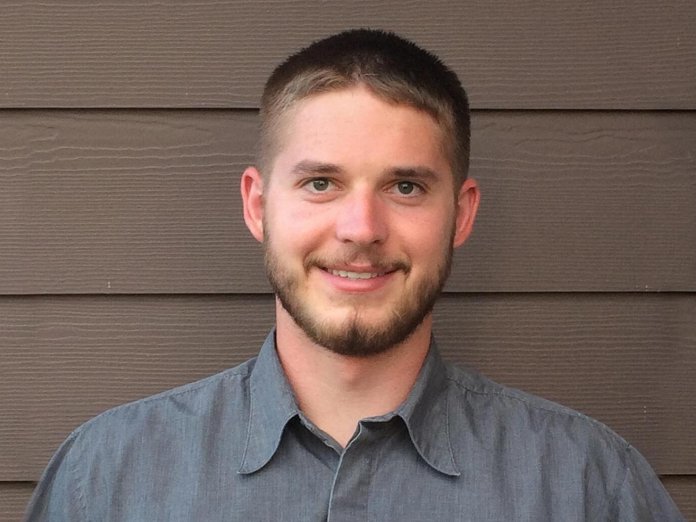
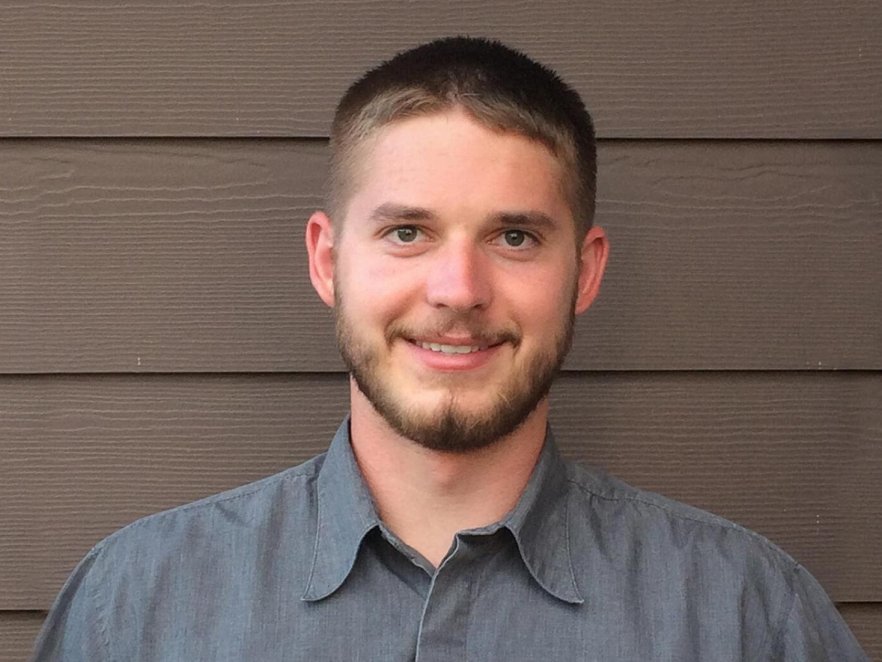
A remote Alaska summer helps inspire a future physician
A remote Alaska summer helps inspire a future physician
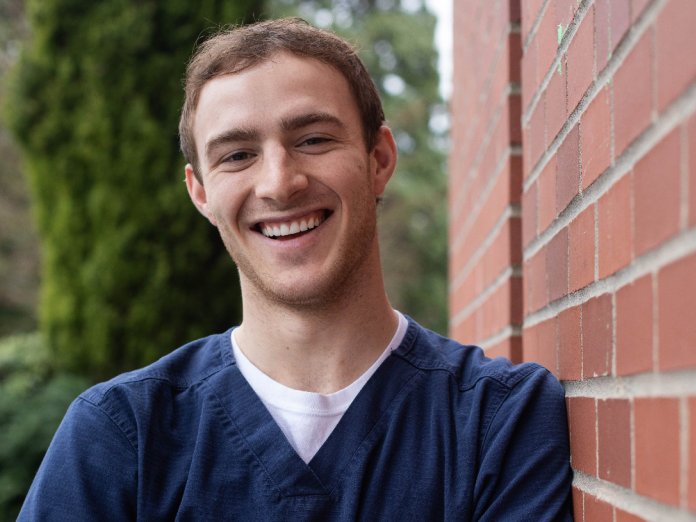
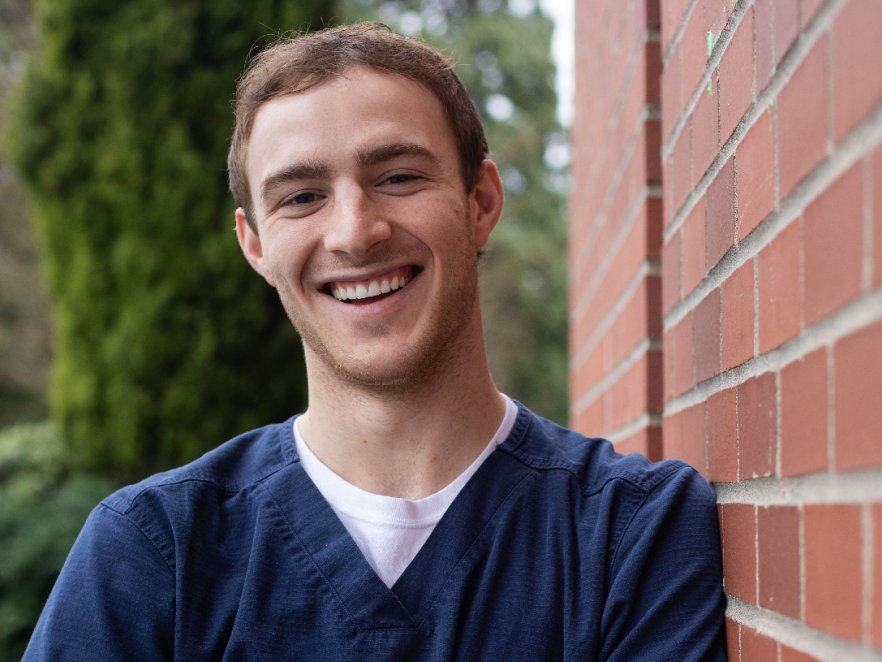
A future physician puts the whole person at the center of care
A future physician puts the whole person at the center of care
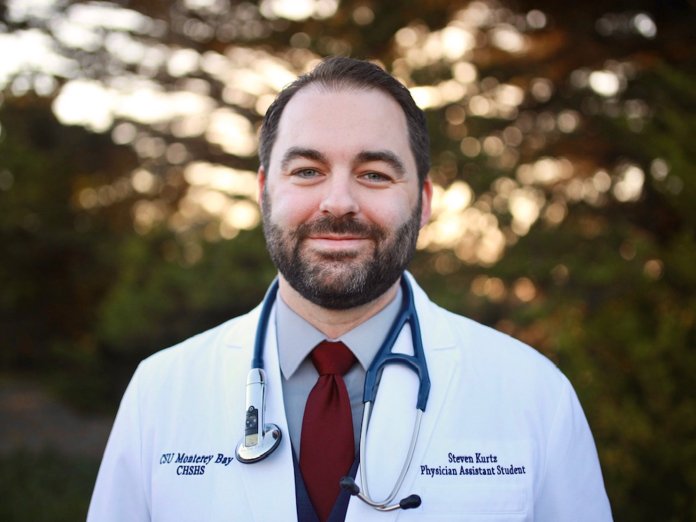
This PA diagnoses patients across specialties
This PA diagnoses patients across specialties
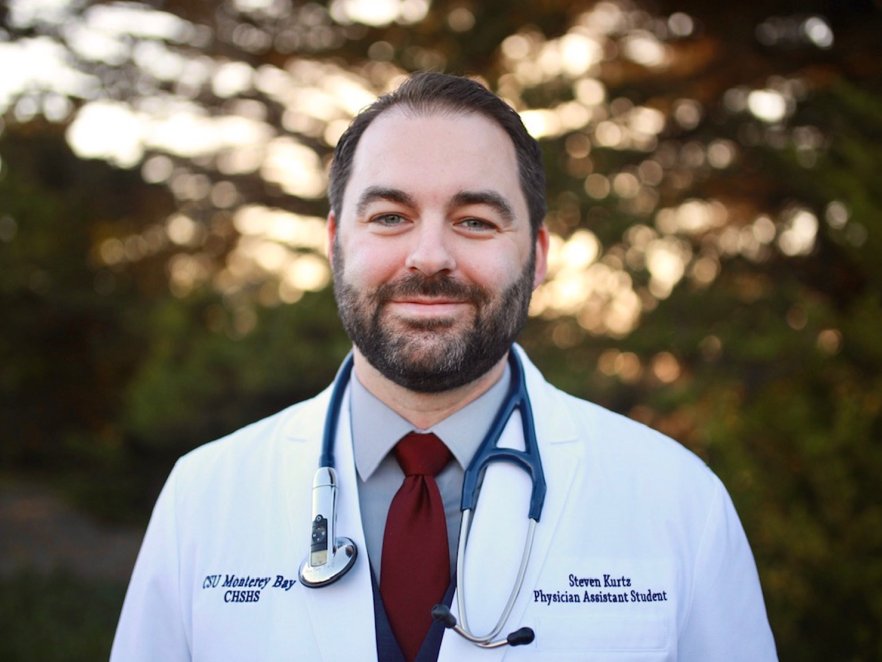

Beyond the prescription: A career in pharmacy
Beyond the prescription: A career in pharmacy


BioHealth sciences senior pivots to medical device sales
BioHealth sciences senior pivots to medical device sales
