Zoology examines the remarkable diversity of animal life and the biological processes that shape how animals function, behave, adapt and evolve. From the smallest insects to the largest mammals, zoology helps us understand the relationships between animals, their environments and the ecosystems they inhabit.
As a zoology major at Oregon State University, you will build a foundation in animal diversity, physiology, genetics, ecology and evolution while learning how science informs natural-resource management and policy. Through your course choices, you can explore animal anatomy and behavior, neuroscience, conservation and environmental science. This breadth provides a strong basis for animal-focused careers as well as other fields where biological evidence shapes important human decisions.
Zoology majors are well-positioned
to turn their love of animals to careers that combine scientific understanding of animals and their environment with knowledge of human policy systems. The U.S. Bureau of Labor Statistics projects growth in environmental science, wildlife biology and conservation careers over the next 10 years
11.7K
Annual openings projected across environmental science, wildlife biology, conservation science and forestry
$77K
Median annual wages for zoologists and wildlife biologists
What career pathways do Oregon State zoology graduates pursue?
Explore where Oregon State zoology graduates work and the career paths they've taken. Discover real alumni outcomes, including job titles, employers and educational pathways, to see where your degree could take you.
- Wildlife, conservation and natural resources
- Animal care, husbandry and welfare
- Biological and laboratory animal research
- Education and science communication
- Agriculture, food safety and regulatory science
Read more
Median annual wages in 2025 (and the typical degree needed to enter the field):.
- $82,220 for environmental scientists and specialists (Bachelor’s degree)
- $76,780 for zoologists and wildlife biologists (Bachelor’s degree)
- $73,920 for conservation scientists and foresters (Bachelor’s degree)
- $60,330 for archivists, curators and museum workers (Bachelor’s degree)
- $57,510 for biological technicians (Bachelor’s degree)
- $38,150 for veterinary assistants and laboratory animal caretakers (degree not required)
- $35,530 for animal care and service workers (degree not required)
These are national occupational figures, not starting salaries or earnings specifically reported by Oregon State graduates. Actual compensation depends on the career you pursue, where you work, your level of education and your experience.
Career Pathways
Biological and laboratory animal research
Animal research uses observation and experimentation to understand how animals function, behave, develop and respond to disease or environmental change.
Our alumni apply their knowledge of animal physiology, genetics, ecology and evolution, along with training in research methods, in laboratories and research programs across a range of fields. They contribute to research by caring for animals and observing behavior, processing and testing samples, maintaining laboratory and quality-control systems, coordinating research operations and analyzing and interpreting results.
Pathway: Consider the Microbiology minor to deepen your preparation in disease, immunology and laboratory methods, or the Data Science minor to strengthen statistical analysis, programming and data visualization (both available online). Hands-on laboratory or animal-research experience will be excellent preparation for future careers. Optional American Association for Laboratory Animal Science (AALAS) certification can strengthen preparation for laboratory animal technician roles. Many research scientists, university faculty members and laboratory directors continue their education through master's or doctoral programs.
Our graduates have worked as:
- Quality control research associate
- Laboratory analysts and technicians
- Comparative medicine technician
- Laboratory animal technician
- Laboratory managers and directors
- Assistant project scientist
- Marine disease specialist
- Primate behaviorist research associate
- Veterinary and health research technician
At these employers (and more):
Oregon Health & Science University, Vaccine & Gene Therapy Institute at OHSU, Portland VA Research Foundation, Legacy Health, abcam, ATI, Alien Testing Labs, University of Washington, University of California San Diego, University of the Virgin Islands, Oregon State University
Wildlife, conservation and natural resources
For students drawn to wildlife and the outdoors, zoology provides preparation for careers dedicated to understanding and protecting animals, habitats and ecosystems, while balancing ecological and human needs.
Our alumni have surveyed wildlife, collected and analyzed field and spatial data, monitored environmental conditions, supported conservation and fire-planning programs and helped manage species, fisheries and other natural resources.
Pathway: Consider the Fisheries, Wildlife and Conservation Sciences minor for applied preparation in species and habitat management, or the Geography minor to build GIS, remote-sensing and spatial-analysis skills (both available online). Fieldwork, internships and seasonal positions build experience. A bachelor’s is typical for entry-level wildlife biology and conservation work, while scientist-led research generally requires a doctorate.
Our graduates have worked as:
- Wildlife biologist
- Field biologist
- Wildlife technician
- Fisheries technician
- Biological science assistant
- Natural-resource manager
- GIS and remote-sensing specialist
- Fire planning and training specialist
- Experimental biology aide
- Fisheries biologist
At these employers (and more):
Oregon Department of Fish and Wildlife, Catalina Island Conservancy, Oregon State University, Pacific States Marine Fisheries Commission, Ecostudies Institute, U.S. Navy, WSP USA
Animal care, husbandry and welfare
Many zoology graduates build careers focused on the daily care, behavior and well-being of animals. Their work might include maintaining habitats, monitoring animal health and behavior, providing enrichment, preparing specialized diets, assisting with medical procedures and educating visitors or clients about animal care. Animal care professionals are needed in many settings, caring for companion animals, livestock, reptiles, birds, marine species or wildlife.
Hands-on experience is especially valuable in this field. Internships, volunteer positions and part-time employment can help students explore different animal-care settings while developing practical skills and professional connections.
Pathway: The online Animal Sciences minor provides learning for companion and domesticated animal care, nutrition and welfare, while the Fisheries, Wildlife and Conservation Sciences minor supports zoo, sanctuary and wildlife-care interests (both available online). Build substantial hands-on experience through employment, internships or volunteering.
Our graduates have worked as:
- Zookeeper
- Animal manager
- Animal caretaker
- Animal care technician
- Companion animal leader
- Veterinary assistant
- Zoological aide
At these employers (and more):
SafeHaven Humane Society, Oregon Humane Society, Brad’s World Reptiles, Audubon Nature Institute, Oregon Zoo, Point Defiance Zoo & Aquarium, Petco, Tanasbourne Vet ER, Portland Veterinary Wellness Center, Vetco Total Care, North Creek Pet Hospital, East Bay SPCA, Charles Towne Landing State Historic Site.
Education and science communication
Education and science communication translate knowledge about animals, ecosystems and research into learning experiences for students and public audiences. Zoology develops the ability to evaluate scientific information and communicate it through written, oral, graphical and multimedia formats. Our graduates have helped people understand animal biology and conservation in many different media, from online content creation to in-person demonstrations, as well as in the classroom at K-12 schools, colleges and universities.
Pathway: Teaching requirements vary by setting. Public school teaching generally requires state licensure, while many college and university positions require a graduate degree. A College of Education degree is an excellent choice for those interested in teaching in schools, while the Education minor (available online) can support students interested in other kinds of science communication.
Our graduates have worked as:
- Precollege program coordinator
- Education specialist
- Science teachers, educators and instructional aides
- University professors and instructors
- Learning assistant program director
- Internship coordinator
- Educational program specialist
- Environmental and animal educators
- Science writers and content specialists
At these employers (and more):
Oregon State University, Oregon Connections Academy, Linn-Benton Community College, Provo City School District, Harrisburg School District, The YMCA, Wild Animal Initiative, Sacramento Zoo, Brads World Reptiles
Agriculture, environmental health and regulatory science
Not all zoology graduates enter in animal-focused careers. OSU curriculum includes courses on human policy systems alongside science learning, preparing our alumni to use their degree as a starting point for work in fields where biological evidence informs decision-making, like agriculture, environmental health and regulatory science.
Work in these areas draws on an understanding of organisms and ecosystems, laboratory and data-analysis skills and familiarity with conservation, management and policy.
Pathway: Many minors support interests in environmental and policy-aligned careers. The Data Science minor or dual major prepares graduates to accurately assess, model or map wildlife and environmental data. The Environmental and Occupational Health minor offers preparation in environmental hazards, toxicology and public-health regulation. A minor in Agricultural and Food Business Management supports interest in agricultural systems, markets and policy. All of these programs are available in Corvallis or online.
Our graduates have worked as:
- Agricultural scientist
- Food safety scientist
- Biological science technician
- Government science specialist
- Environmental scientists
- FDA branch chief
- Field assistant coordinator
- Environmental health specialist
At these employers (and more):
Ocean Spray Cranberries, Exponent, U.S. Food and Drug Administration, Oregon Department of Agriculture, Southwest District Health Department
Career Preparation
Related career paths across the College of Science
Many career paths pursued by zoology graduates overlap with those of other majors in the College of Science. Programs such as biology, biochemistry and molecular biology, microbiology and biohealth sciences share foundations in the life sciences and can lead to related careers in research, conservation, education and environmental science. Other OSU majors that can lead to related careers include the animal sciences major and the fisheries, wildlife and conservation sciences major.
Common questions
Skills developed through Zoology coursework and related hands-on experiences include:
- Understanding animal diversity, physiology and behavior
- Applying genetics and evolution to understand animal biology
- Understanding relationships among animals and their environments
- Applying biological knowledge to conservation and natural resource decisions
- Scientific research and experimental design
- Applying laboratory and field research methods
- Collecting, managing, analyzing and interpreting biological data
- Reading and evaluating scientific writing
- Communicating scientific concepts to diverse audiences
- Critical thinking and problem-solving
- Recognizing uncertainty, bias, scientific ethics and responsibilities
- Collaboration across scientific disciplines and related fields
Your coursework and experiences outside the classroom will all shape the skills you develop while at Oregon State.
Coursework provides the biological foundation for careers in zoology. Employers and graduate or professional programs also value experiences that help students apply what they learn, explore career interests and develop professional skills.
Animal care, internships and volunteer experience
Hands-on experiences in local communities or abroad allow students to apply their academic learning to animal care, natural resource and conservation settings while exploring different career paths and building professional connections.
OSU Zoology students have gained experience with neighborhood animal care and rehabilitation organizations, as well as:
- World Forestry Center
- Kiwi North in New Zealand
- Chintimini Wildlife Center
- White Wolf Sanctuary
- Wildlife Safari
- Cheetah Conservation Fund in Namibia
- Sarvey Wildlife Care Center
- Oregon Department of Fish and Wildlife
- U.S. Department of Agriculture
- California Wildlife Center
Fieldwork and undergraduate research
Research allows students to investigate zoological questions while developing the laboratory, field and analytical methods used by researchers in the field. It also provides opportunities to work with faculty mentors and contribute to new scientific knowledge.
Oregon State students have conducted research with:
- Field-based coursework at Hatfield Marine Science Center
- OSU faculty in biological, wildlife, fisheries and environmental research
- The Department of Natural Resources and Culture of the Siletz Indians Tribes
- State wildlife agencies
- Undergraduate research mentorship programs
Leadership, service and campus involvement
Leadership, communication, teamwork and service are valuable in every zoology career. Campus involvement provides opportunities to develop these professional skills while contributing to the university and the broader community.
Oregon State students have also built experience through:
- Society for Conservation Biology
- Student organizations
- Science outreach
- Photography, art and science communication
- Community service
- Leadership roles on campus
Advanced degrees, including graduate school, are less common for zoology graduates, but a graduate degree can increase your level of autonomy and responsibility in your future career.
Most Oregon State zoology graduates begin careers in animal care, laboratory science, wildlife biology, environmental education and related fields with a bachelor's degree. Employers value scientific knowledge, hands-on laboratory or field experience, strong observational skills and the ability to work effectively with animals or biological materials.
Graduate or professional education is more common in careers that require advanced specialization, science-led research or university teaching. A master's degree, doctorate or professional degree may be beneficial or required for:
- University teaching
- Scientist-led research
- Advanced wildlife biology
- Conservation leadership
- Public policy
- Specialized laboratory science
- Some K-12 teaching positions
Oregon State zoology graduates have continued their education at universities across the United States and internationally.
Representative universities
- Oregon State University
- Oregon Health & Science University
- Colorado State University
- University of Maryland
- Pennsylvania State University
- University of South Florida
- University of the Virgin Islands
- California Polytechnic State University, San Luis Obispo
- University of Gothenburg
Common graduate and professional disciplines
- Natural resources
- Biology
- Education
- Marine resource management
- Marine and environmental science
- Fisheries, wildlife and conservation sciences
Our Alumni
See where they are
These zoology alumni started out right where you are.

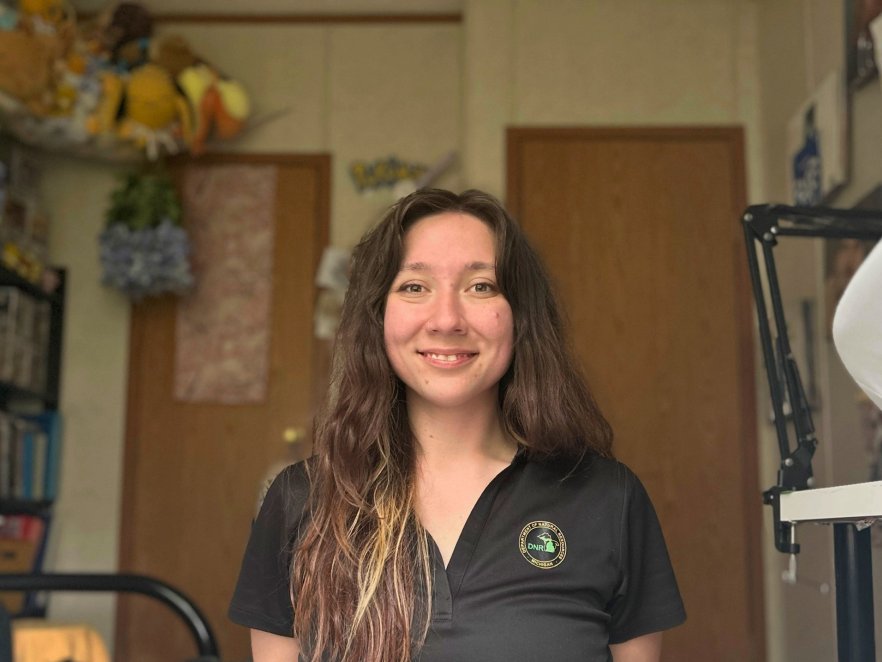
From bird lover to wildlife care specialist
From bird lover to wildlife care specialist

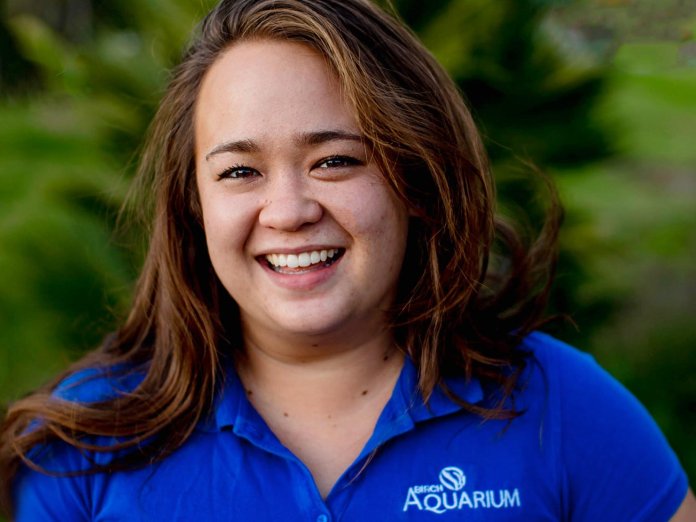
Protecting the Pacific Northwest’s iconic fish
Protecting the Pacific Northwest’s iconic fish
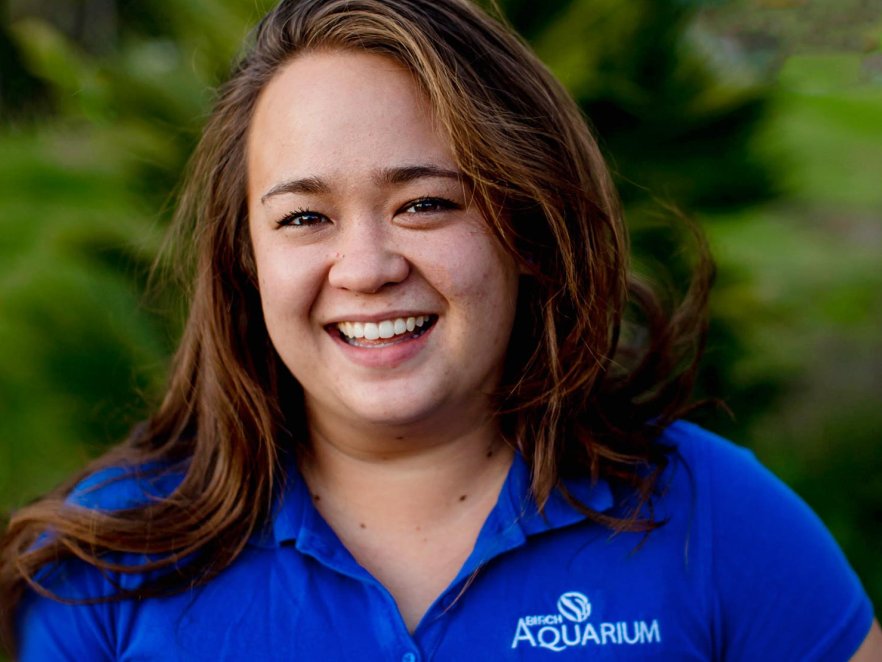

An OSU research lab inspires a career in science and teaching
An OSU research lab inspires a career in science and teaching

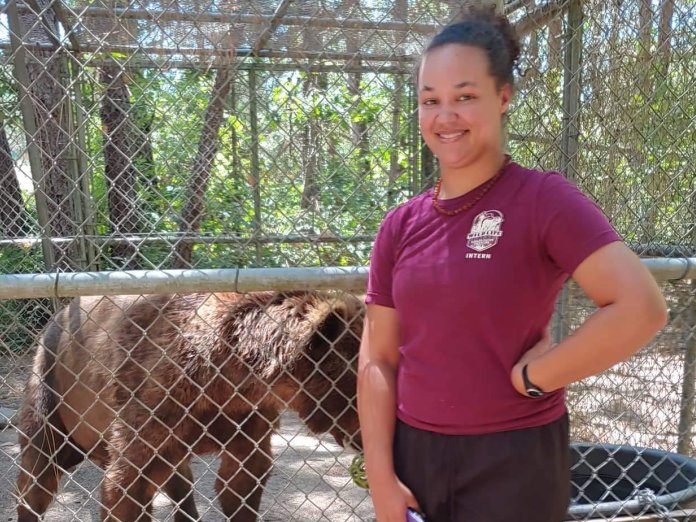
A career in zoology gets up close with rescued chimpanzees
A career in zoology gets up close with rescued chimpanzees
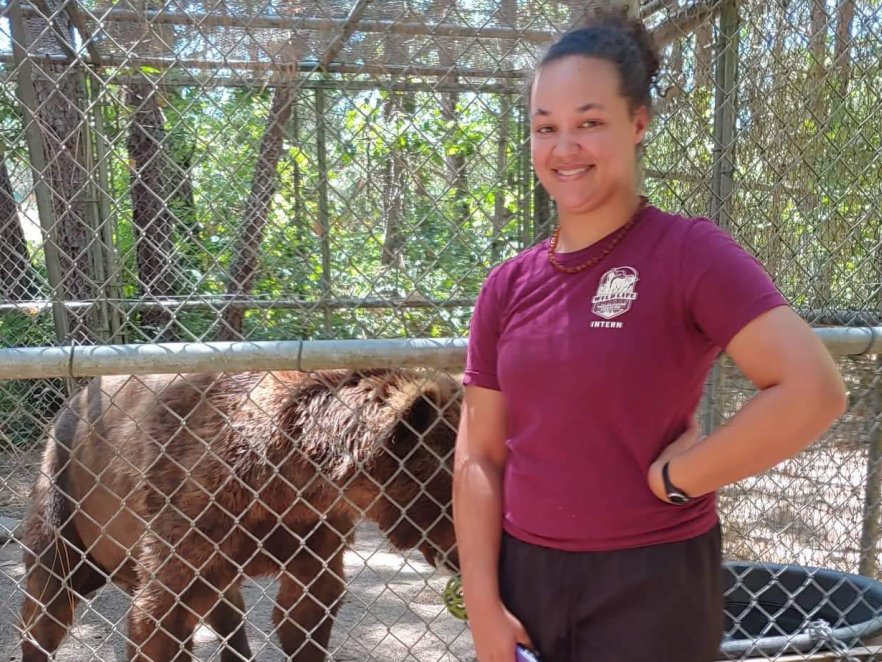
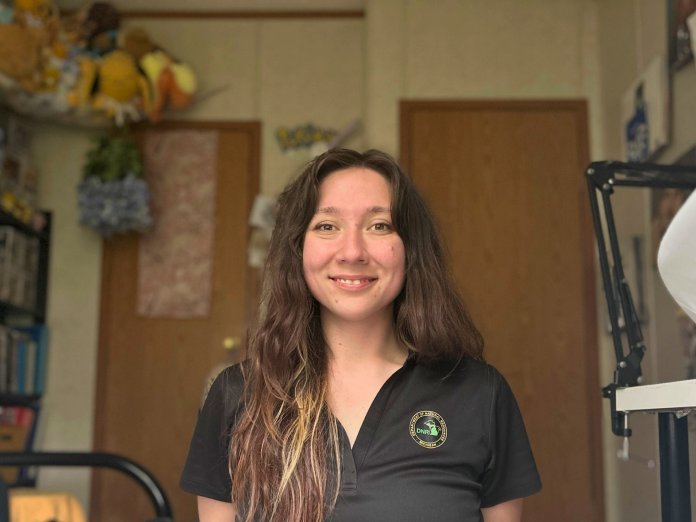
Non-traditional Ecampus students finds her calling in wildlife conservation
Non-traditional Ecampus students finds her calling in wildlife conservation