Program overview
- Department: Integrative Biology
- Degrees offered: Bachelor of Science, Honors Bachelor of Science
- Minor: Learn about the marine biology minor

"Yes, I do believe I can make a difference, and that's why I chose marine biology. That’s why I came to Oregon State."
Simone Burton (’21, NOAA Ernest F. Hollings Scholar)
Marine biology is the scientific study of organisms in the ocean and other saltwater environments, from bacteria to blue whales. Focuses of marine biology include understanding species behavior, physiological processes, ecological interactions and conservation. This science also examines how environmental factors and human activities impact marine ecosystems.
There are major advantages in earning an OSU biology degree with a marine biology option built right into the degree program. Your core curriculum provides a solid knowledge base on biological subjects like genetics, ecology and cell biology, which serves you well when diving into your marine-based curriculum. Next, you can take advantage of unique hands-on learning experiences that appeal directly to your specific interests, developing into a well-rounded scientist equipped with a strong biology background along with specialized experience in marine biology and ecology. When you graduate, you’ll be prepared for a career in marine biology and beyond.
Marine biologists conduct field research, analyze data, monitor environmental changes and work on conservation efforts to protect marine habitats. They often work in laboratories, on boats or at coastal locations. Some duties include conducting surveys of marine life, tagging animals for tracking and gathering samples (water, tissue, sediment). Other duties include managing fisheries, establishing sustainable practices and helping to rescue or rehabilitate marine life.
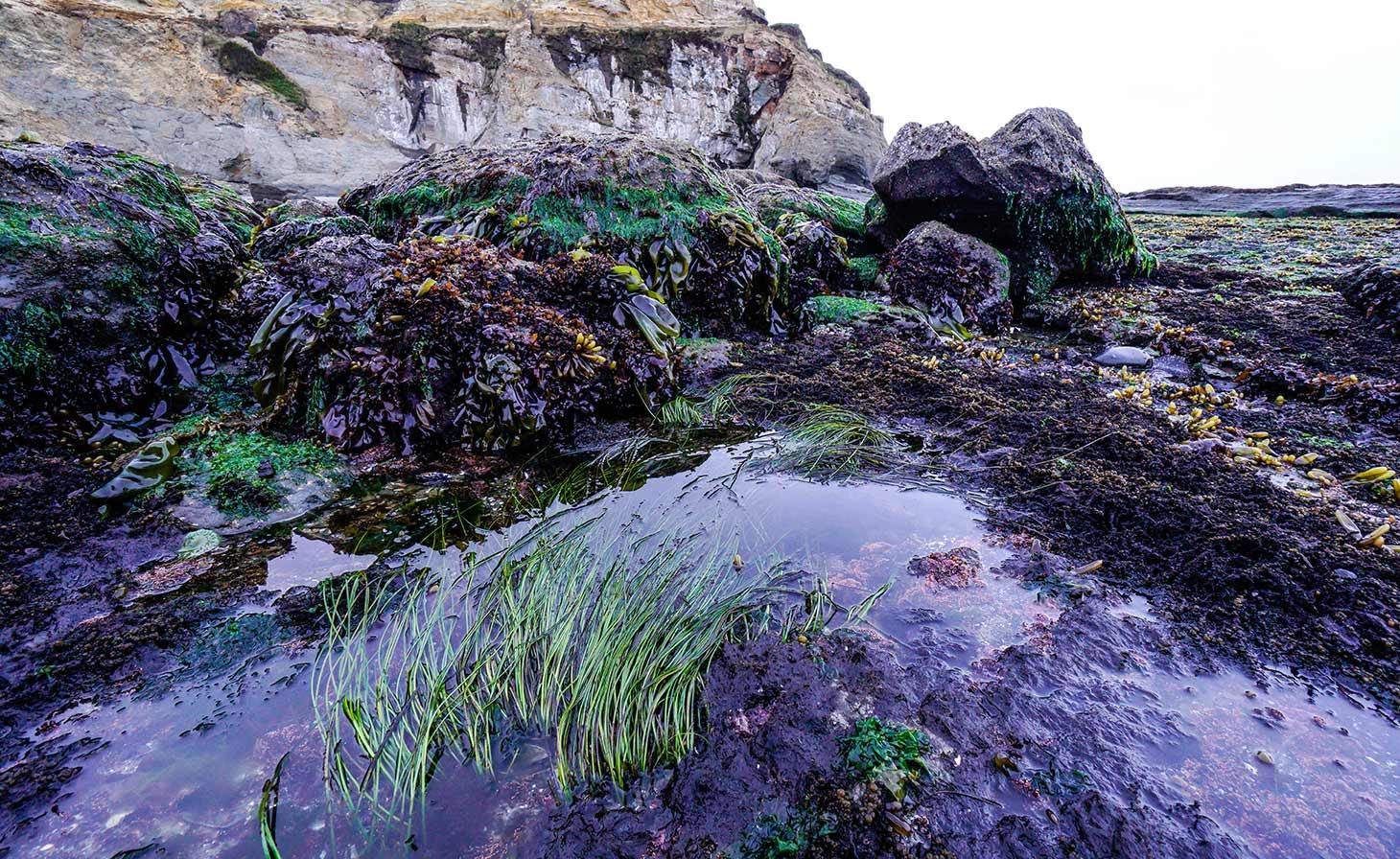
The marine biology major covers a variety of marine organisms and habitats and the processes that impact and regulate the oceans and our planet.
The marine biology and ecology degree option consists of a biology degree with a marine biology option built into the degree program, providing you with a solid knowledge base in biological concepts and perspective on subjects like genetics, ecology and cell biology. That academic foundation adds even more value and perspective to the marine-based elements of your curriculum. You develop into a well-rounded scientist with a strong biology background and specialized experience in marine biology. And when you graduate, you’ll be prepared a career in marine biology and so much more.
The marine biology major includes a course where you’ll experience a term studying in residence at Hatfield Marine Science Center (HSMC) in Newport, Oregon. This state-of-the-art facility features direct access to seawater systems, a research vessel, Pacific Ocean food webs and more. The 15-credit course BI 450 completely immerses you in marine life studies for 10 weeks via lectures, field studies and laboratory research. Other experiential courses include Marine and Estuarine Invertebrates and Pacific Northwest Coastal Ecosystems.
Take advantage of unique hands-on learning experiences that appeal directly to your specific interests, exploring a variety of marine organisms and habitats and the processes that impact and regulate the oceans and our planet.
Wondering what kind of classes you'll take? Your biology major includes in-depth curriculum, including courses like
Want to know more about coursework requirements? Use the OSU Catalog to learn more about:
What does a four-year course load look like as any type of OSU biology major? Check out this sample plan for one example of how to map out your academic journey.
Dive deep into the mysteries of the ocean and its diverse ecosystems and gain a comprehensive, well-rounded background as a biologist. Dedicated faculty, cutting-edge research facilities and a stunning coastal location make OSU the perfect place to explore the field of marine science.
From research labs to student clubs, every marine biology major has an opportunity to explore and deepen their interests in science and community outreach while enhancing their professional development and acquiring valuable leadership skills. Science is often a competitive career field — these experiences give you the real-world skills to support your future goals.
This is your chance to see up close what it means to be a scientist. Don’t just study science in the classroom — get in a lab and contribute to it, working alongside world-class faculty!
Internships serve as your perfect transitional experience into a career field. Gain real-world career experience while exploring the career possibilities your degree opens up.
Our students’ work spans the globe! Immerse yourself in another culture to gain a global perspective in your studies.
Fun fact: The Department of Integrative Biology is a campus leader in study abroad — our students make up a large portion of total OSU majors studying abroad. Participate in a wide variety of abroad experiences around the world in STEM or other areas of interest.
Here’s your chance to discover like-minded communities of peers who share your interests! Come together and engage in meaningful ways.
Team Science is here to help you thrive. Our student support is another reason we always say, "science is better at Oregon State." You'll have access to a huge array of support services and resources designed to thrive both in and out of the classroom. Here are some places to get started:
At OSU, support comes in a LOT of forms — here's where to start. From our Science Success Center to health and wellness resources, connect with the support you need to thrive as a college student.
Love learning in smaller, collaborative group settings? Our Learning Assistant Program combines small-school attention with big-school resources. Your LA group replaces traditional lecture formats with active learning strategies, maximizing the way you engage with your STEM courses.
Our tutoring centers are welcoming, friendly spaces where peer and faculty mentors offer guidance and share study techniques to help you grasp course materials and improve your academic performance.
The Department of Integrative Biology advising team is dedicated to supporting your academic journey. Their personalized attention helps you develop and implement a plan to achieve your educational, life and professional goals. From navigating degree requirements to connecting with campus opportunities, your advisor will help you make the very most of your OSU experience.
And of course, you can always reach out to our student Peer Advisors at sciencesuccess@oregonstate.edu with questions, as well! Our Peer Advisor team is friendly, helpful and can share their first-hand knowledge of the Oregon State experience.
It literally pays to develop into a well-rounded scientist with a strong biology background AND specialized experience in marine biology. When you graduate, you’ll be prepared not only for a career in marine biology but also careers beyond the field.
Here are just several examples of career pathways our marine biology alumni have followed:

From coastal field stations to a pharmaceutical oncology lab, Isabel Planken followed their curiosity across disciplines and continents. Each experience expanded their confidence and sense of possibility.
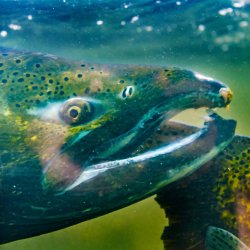
Researchers in the College of Science, including faculty member Chris Suffridge and graduate student Kelly Shannon, uncovered how shifts in salmon diets may be fueling thiamine deficiency and widespread fry mortality.

Junior Natalie Donato earns national recognition for her dedication to marine conservation and science communication.

If you ask student-athlete and biology senior Vivian Light to share a fun science fact, she will likely tell you something fascinating about fish

Nathan Clay-Ehart (‘24) had just graduated with a zoology degree when he boarded a plane to Aruba. The nine-day study abroad opportunity was his first chance to meet Oregon State classmates face-to-face after earning his degree entirely online.

Simone Burton, an Honors biology major with an option in marine biology, has pushed through more obstacles than she could have imagined only four years ago. Now, she is confident that she will find a powerful way to protect marine life through a career in conservation, science communication and outreach.