Woman wearing a hijab and a blue JSM lanyard peruses merchandise on a table with other conference attendees milling around.

Breaking into data science: How conference networking helps statistics students get hired faster

By Kaitlyn Hornbuckle

An attendee at the 2025 Joint Statistical Meeting peruses merchandise at the conference.

photo credit to JSM

Statistics students plotting their way to success have many tools available to explore career options — conference attendance can be one of the most important. That’s why Oregon State ensures statistics students have a wide array of conferences to explore. Each year, students advance their careers by speaking with industry leaders, connecting with researchers, presenting posters, and meeting other passionate peers.

It's not unheard of for these students to land a job after attending a conference. That’s how Oregon State alumna Chenyang Duan (Ph.D. Statistics, ‘23) landed a full-time position as senior statistician at AbbVie, one of the top pharmaceutical companies in the world. All it took was an in-person interview at Joint Statistical Meetings (JSM), the largest gathering of statisticians and data scientists in North America.

This Dam Proud Day, on April 29, 2026, you can help students like Duan access those same life-changing opportunities. By making a gift to the Supporting Statistics Student Travel Fund, you’ll help cover travel costs so students can attend major conferences like the JSM.
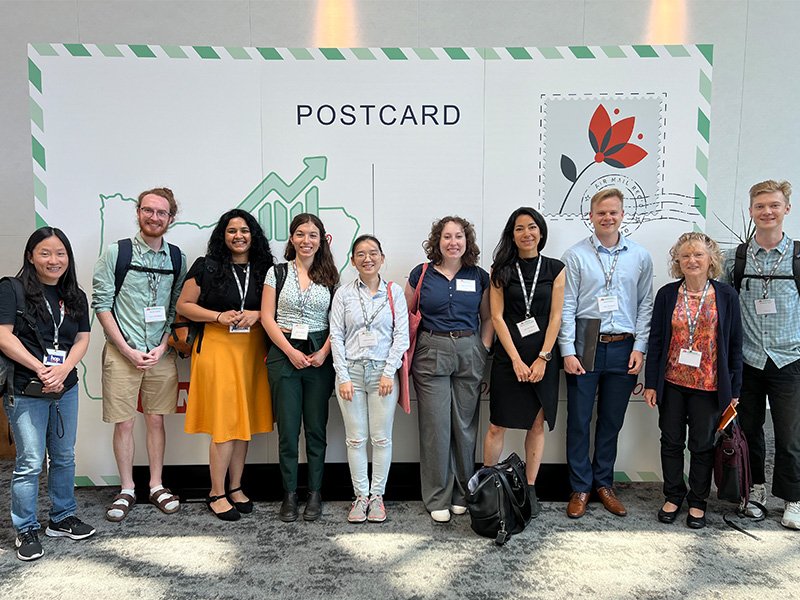
Oregon State statistics faculty and students at the JSM in front of a giant mural of a postcard.

Statistics students and faculty explore and make connections at the Joint Statistical Meetings in Portland, OR 2024.

JSM's innovative networking and career tool in action: Career Service Portal

Conferences open doors to job opportunities in industry, research collaborations in academia, mentorships, and even future grant panel members, which are extremely valuable after completing graduate school. When it comes to attending JSM, there’s an additional benefit.

By using JSM’s online Career Service portal, students can click a button that sends their resume to every company attending the conference. Even better, interviews with recruiters can be scheduled in advance. Students can find these invitations by routinely checking the portal’s inbox. For Duan, she received 12 interview requests.

Thanks to these interviews, students have a chance to shine. “The interviews are pretty short, so make sure to remember the details on your resume and clearly explain the purpose, motivation, challenges and results of your research to help the hiring managers better understand your work,” Duan said. “That’s how I found my job!”

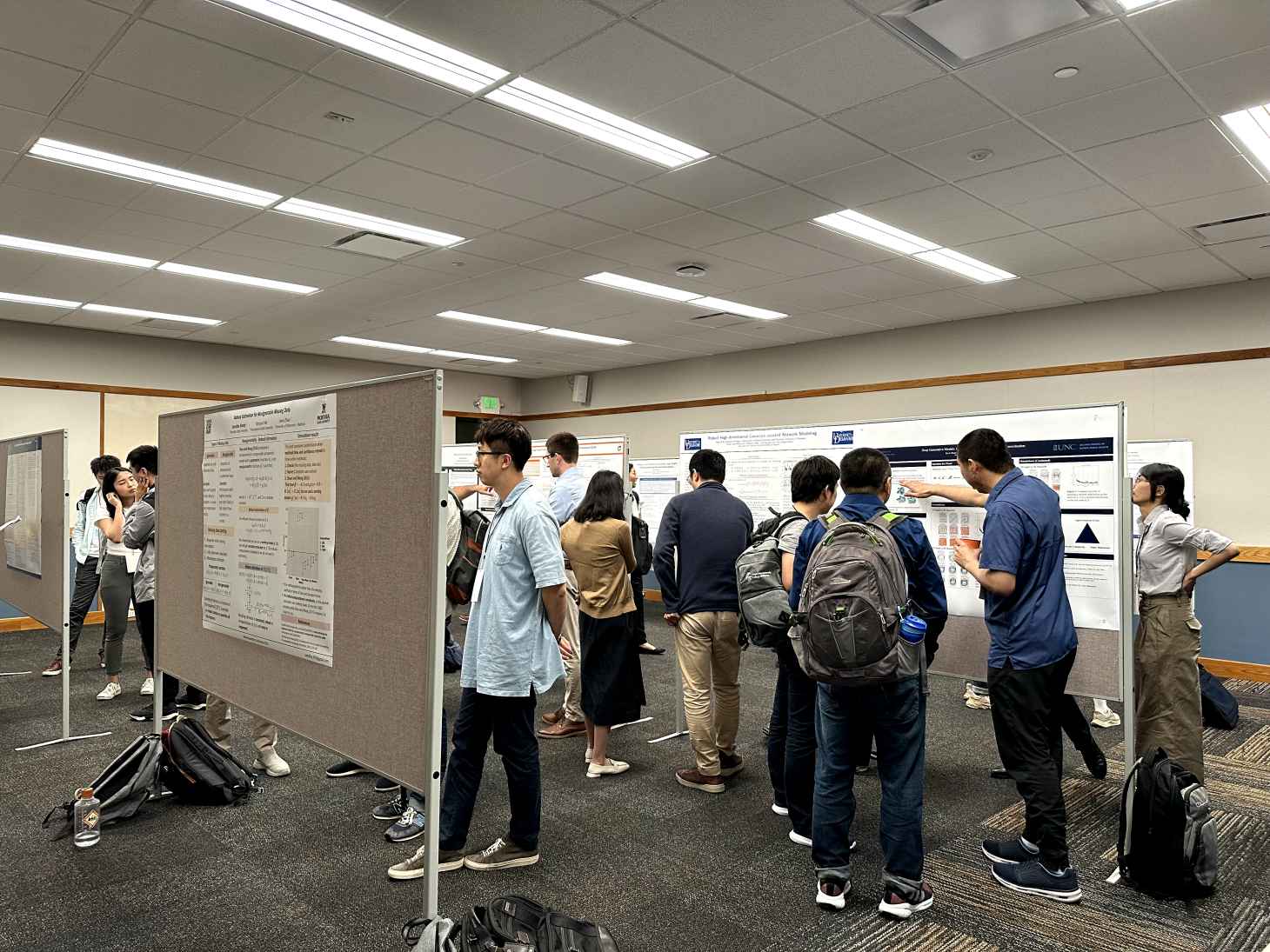
A group of students peruse the posters at the New Researchers Conference in Corvallis, OR.

Students attend and present their research at the New Researchers Conference in 2024.

This streamlined process helps students focus on expressing themselves through public speaking rather than worrying about handing out as many resume copies as possible.

Duan’s advice for students wanting to connect with professionals? Find something in common. It can be as simple as asking to chat over dinner because you graduated from the same university. “Most people are very willing to speak with alumni, and they might introduce you to more people, so that’s a great way to make connections at conferences,” she said. “You can also invite hiring managers to attend your presentation and speak with them there.”

How conferences boost career prospects

In statistics and data science, there is a vibrant community full of opportunities for passionate learners. “Going to conferences helps you do better research, look for better jobs and have a better outcome, no matter what career you choose to have,” said Yuan Jiang, statistics associate professor and co-director of graduate studies.

Jiang co-organized the New Researchers Conference (NRC), which is always held shortly before JSM. Last year, students could attend both conferences in the same summer, meaning a chance to make double the connections without traveling far from home.

Other annual conferences like the Eastern North American Region (ENAR) and the Western North American Region (WNAR) of the International Biometric Society are other options for professional networking and developing, especially in biostatistics.

“There are two ways to look for a job. You can apply by yourself to as many companies as possible or have an internal referral. I would say that if you are being recommended by someone, the success rate of landing a job is probably much higher,” Jiang said.

The College of Science offers various resources to help students expand their network both locally and around the world, even if they’ve never been to a conference before. The College of Science Student Travel Award is available for both undergraduate and graduate students. The Department of Statistics offers professional travel awards up to $1000 each academic year for graduate students who travel to regional, national or international conferences to present a paper or poster.

“Different people have different personalities. But no matter what, networking is important,” Jiang said. “Going to conferences is an integral tool to get to know people, whether you want to go to industry or academia. When people can know you in person, that gives them a more direct impression about who you are.”

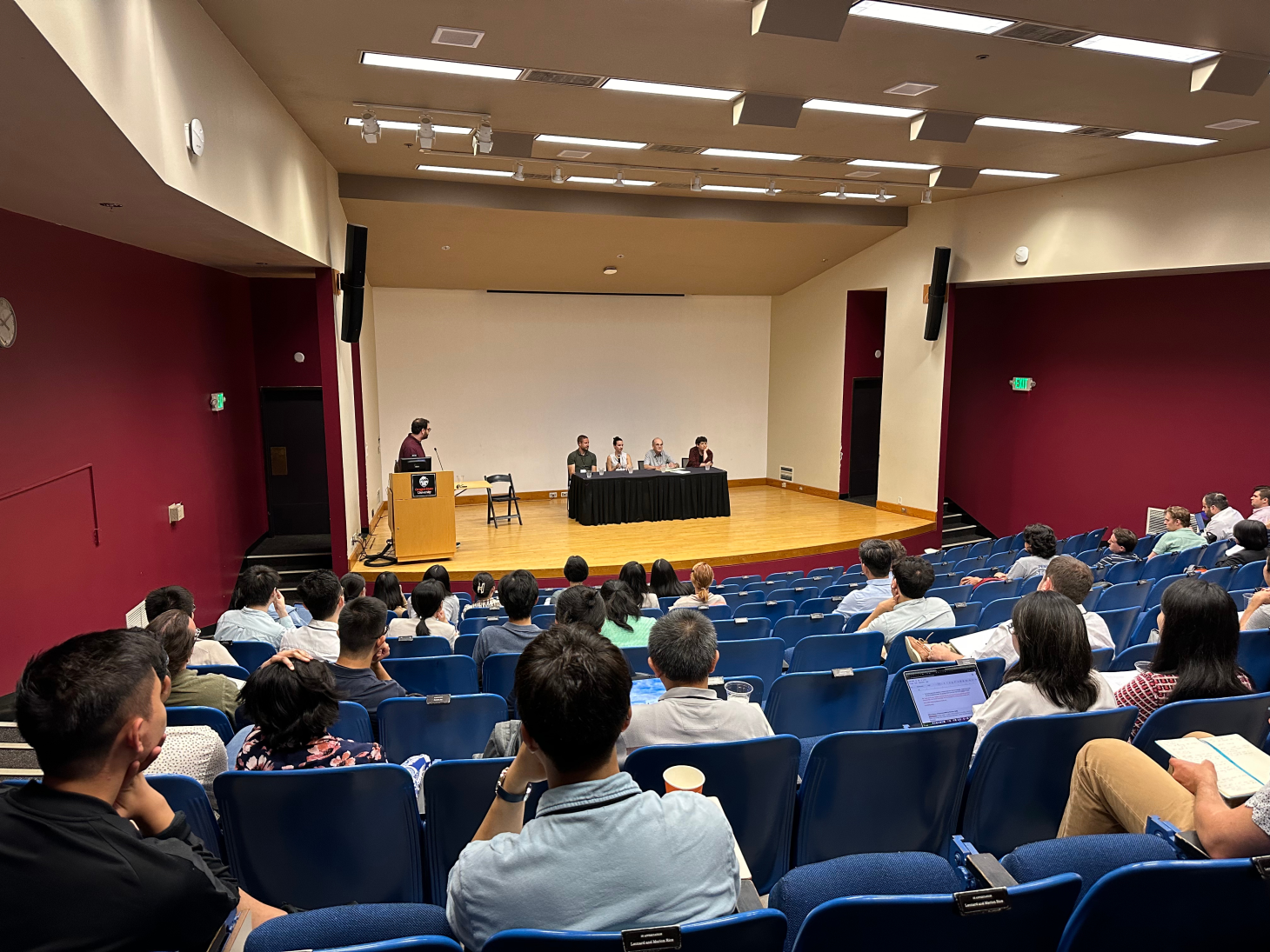
Panelists intrigue a sizable audience of attendees at the 2024 New Researchers Conference.

A variety of panelists speak with attendees at the 2024 New Researchers Conference.