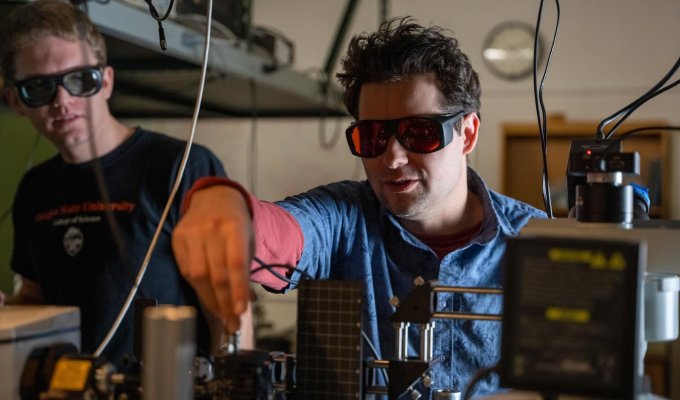
Using a laser-based technique they developed, one so sensitive it can spot a single missing oxygen atom, the group has opened a new window into how next-generation memory materials behave. The work, funded by Samsung Electronics, centers on transistors used in DRAM, the memory chips found in most computers.
AI entrepreneur Scott Clark (‘08) makes the case for putting AI in research’s “mechanical middle,” with scientists at the frontier of discovery. On Monday, Oct. 5, Clark will return to the College of Science to share how that partnership could work.
MIT astrophysicist Sara Seager, a pioneer in exoplanet discovery and the search for life beyond Earth, will discuss how new discoveries are transforming scientists' understanding of where life may exist in the universe.
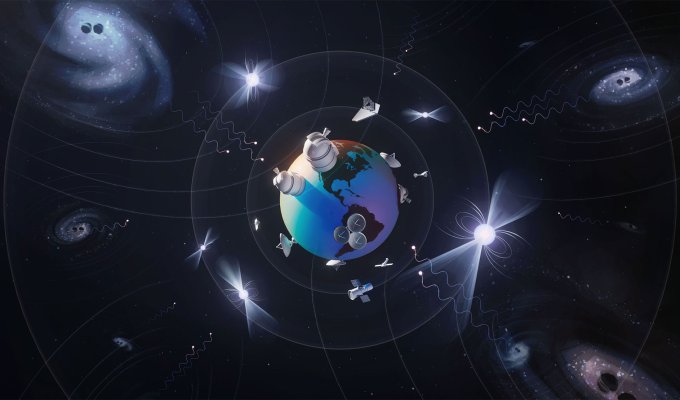
The second day of Oregon State's AI Showcase highlighted new approaches to scientific discovery, with faculty demonstrating how machine learning is reshaping research across the College of Science.
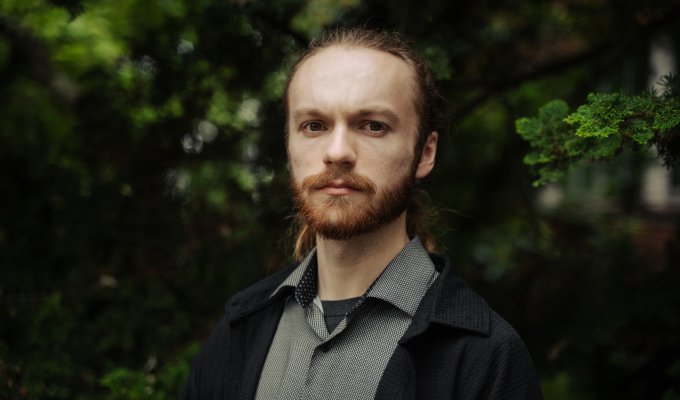
Riding on the back of a camel while circling the Great Pyramids was not where Anthony Winchell would have guessed their Ph.D. program would land them, but that’s exactly where they found themselves this June.
Undergraduate research transformed Kieran King from a student interested in space into an aspiring physicist advancing clean-energy technology. He will continue studying organic semiconductors this fall as a Ph.D. student at Wake Forest University.
In the 2025-2026 academic year, graduate students in the College of Science received notable recognition through a variety of competitive fellowships, scholarships and professional development awards. These honors support students at critical stages of their graduate education, helping fund research, conference travel, tuition and other opportunities that contribute to academic and professional growth.
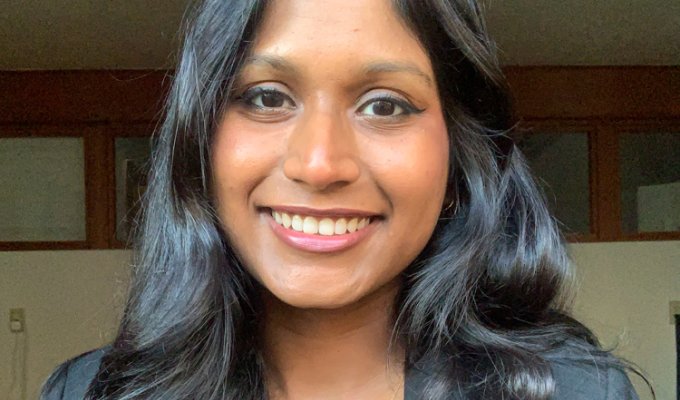
Minot, who has served as interim head since September 2025, is a leading researcher in quantum materials and nanoscale systems with applications in semiconductors and emerging technologies.
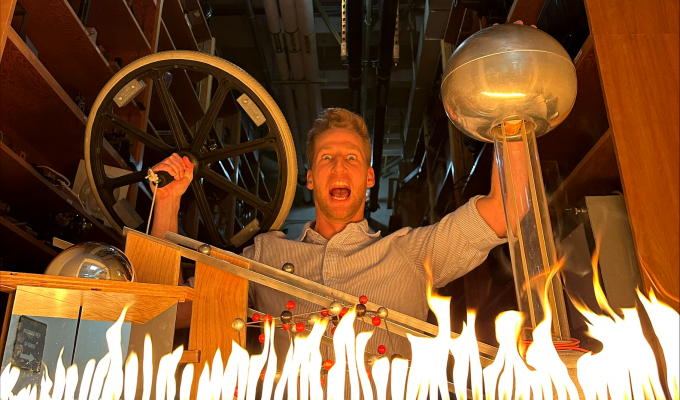
A spinning bicycle wheel can flip your expectations—and your sense of motion—on its head. At Oregon State, hands-on physics demonstrations are making complex concepts tangible while a new effort aims to ensure every student can experience them.
Physicist Oksana Ostroverkhova is studying organic semiconductors in her laboratory at Oregon State, exploring how light interacts with these materials and how those interactions can be harnessed to create new optoelectronic and photonic devices.
This year’s research honorees are advancing knowledge at the frontiers of statistics, microbiome science and astrophysics, with discoveries that shape public health, global policy and our understanding of the universe. Their scholarship reflects both international impact and a deep commitment to mentoring, collaboration and research excellence at Oregon State.