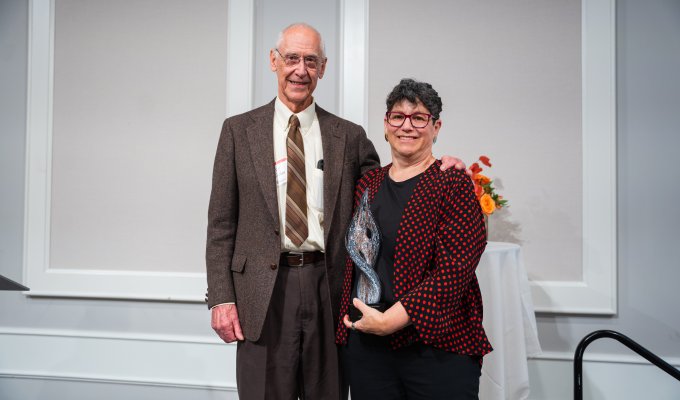
At the university’s 2026 University Day celebration, faculty, staff and postdoctoral scholars were recognized for exceptional teaching, mentorship, research and service.
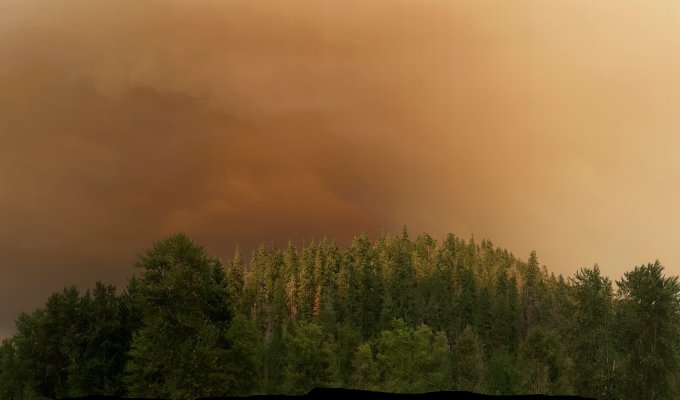
The study of American robins led by Jamie Cornelius is one of the few to examine how wildfire smoke, an increasingly common phenomenon as annual fire seasons become longer and more intense, affects animal behavior.
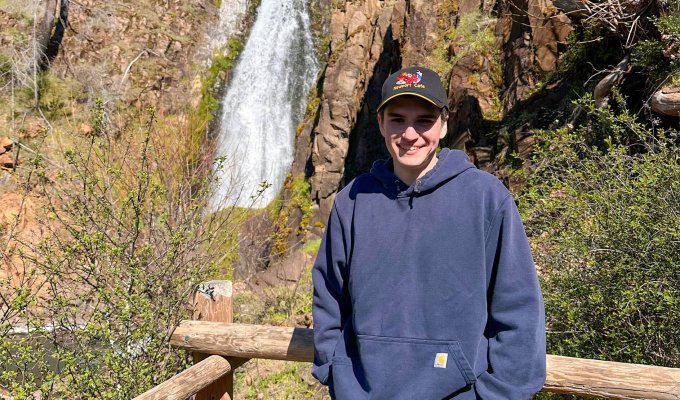
The biology senior will spend nine months in Chile investigating how ocean currents shape krill distribution and support the predators that depend on them across the Southern Ocean.
Anna Benson, a student majoring in Marine Biology and International Studies at Oregon State, studied abroad last fall at James Cook University in Townsville, Australia. While she was there she had the opportunity to take a variety of coursework pertaining to her interests in marine biology and indigenous peoples studies. Benson shared her experiences with OSU Global Opportunities.
Microbiologist Stephen Giovannoni received a 5-year $1.2 million award to continue studying the microbiology of the Sargasso Sea, an ocean gyre that is representative of ocean regions with extremely low productivity that are expanding globally due to the warming of the ocean’s surface.
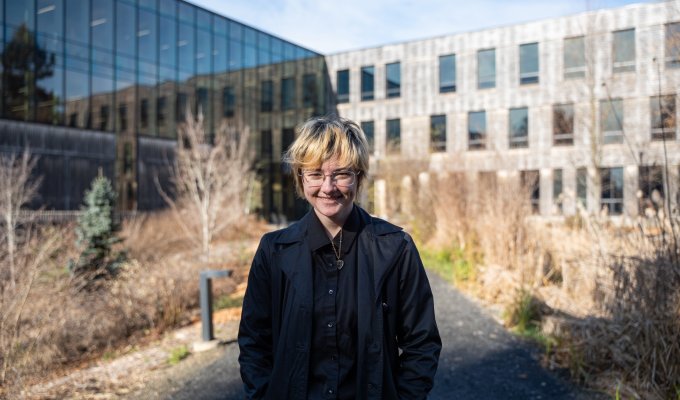
From coastal field stations to a pharmaceutical oncology lab, Isabel Planken followed their curiosity across disciplines and continents. Each experience expanded their confidence and sense of possibility.
Less than two years after OSU scientists led the publication of a landmark marine protected area guide in Science, the United Nations in June 2023 adopted the text of the treaty.
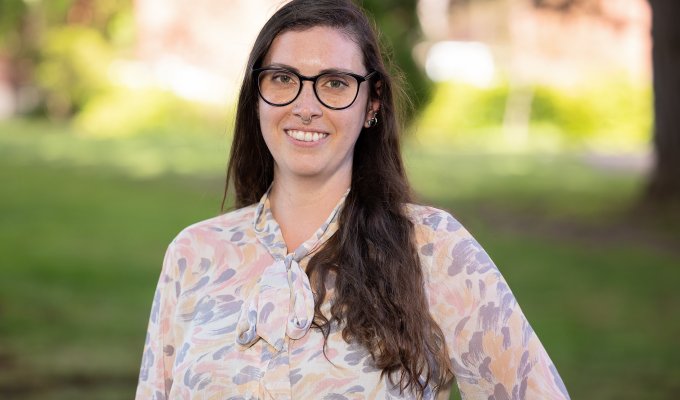
Giulia Wood has been named one of 43 Marshall Scholars in 2026, a prestigious scholarship offered by the United Kingdom to a select group of Americans to study at graduate level in a UK institution of their choice for up to three years.
Meet a two new members of the Department of Microbiology, one who studies how pathogens survive and cause disease and the other loves teaching students how molecular mechanisms connect to evolutionary patterns.
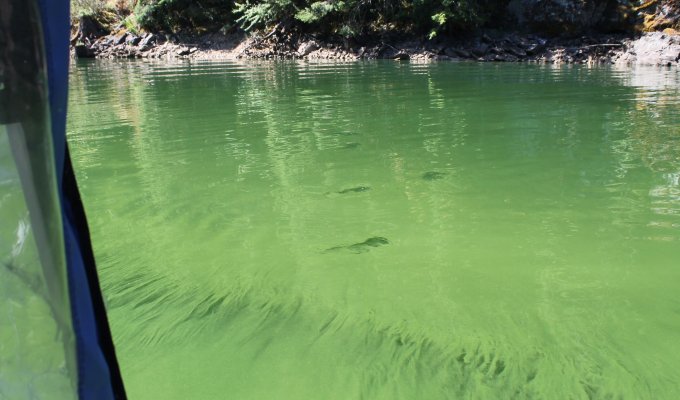
A long-term analysis shows that a major Oregon reservoir abruptly swapped one type of toxic algae for another midway through the 12-year study period, absent any obvious cause.