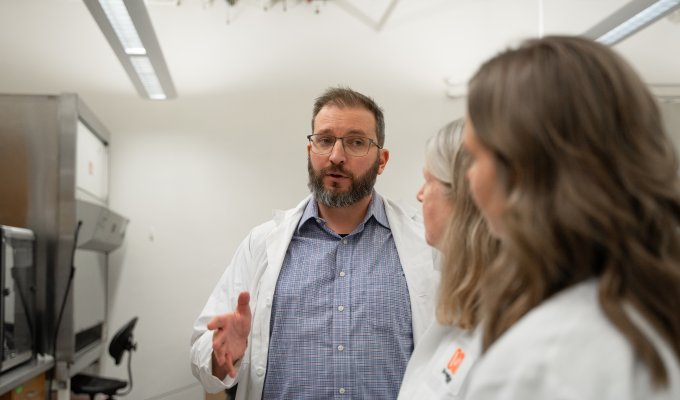
A bearded man wearing glasses and a button-up shirt beneath a lab coat speaks to two other scientists wearing lab coats toward the camera.
Research

The science behind your gut: Oregon State researcher pushes microbiome discoveries

Professor Thomas Sharpton's work searches for medical answers in the microbial passengers within us.

A black background with orange glitter and a pair of googles with the year 2026.
Faculty and Staff

Celebrating excellence in research: 2026 College of Science Awards

This year’s research honorees are advancing knowledge at the frontiers of statistics, microbiome science and astrophysics, with discoveries that shape public health, global policy and our understanding of the universe. Their scholarship reflects both international impact and a deep commitment to mentoring, collaboration and research excellence at Oregon State.

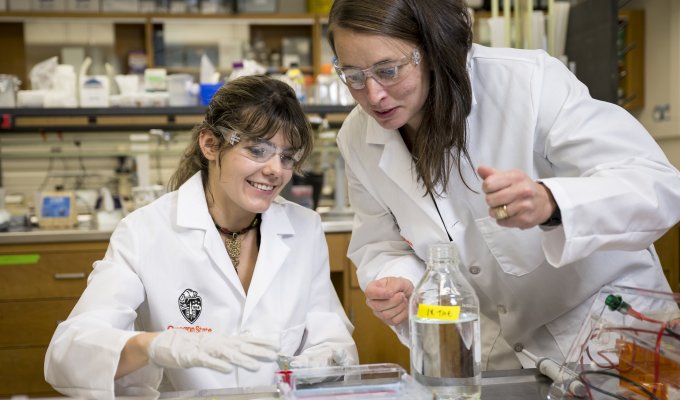
Two women in lab coats work with a sample in a tube in a laboratory.
Microbiology

Microbiome scientist uses AI to redefine the gut-brain axis and deep-sea ecosystems

Maude David’s research sits at the crossroads of microbiology, neuroscience and artificial intelligence — an intersection that may hold the key to understanding some of the most complex disorders affecting the human brain and unlocking the secrets of deep-sea ecosystems.

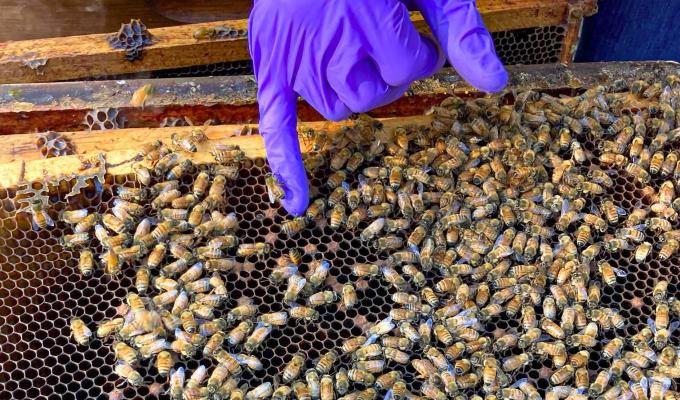
A finger in a blue glove points to honey bees in a hive.
Microbiology

Microbiologist joins collaborative effort to protect honey bees in Oregon

Although having a box of 300 buzzing bees in the corner of her laboratory is uncharted territory for Maude David, who typically works with humans, she maintains a steadfast belief that science moves forward through interdisciplinary teams.

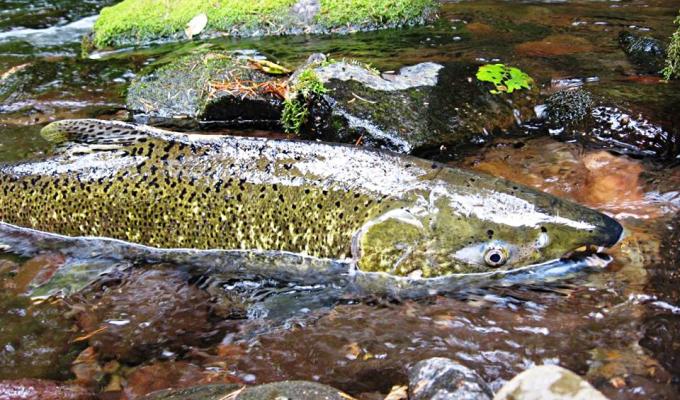
A glossy Chinook salmon swims against the current in a shallow stream.
Research

Researchers discover vitamin that may offer hope for salmon suffering thiamine deficiency disease

Oregon State University researchers have discovered vitamin B1 produced by microbes in rivers, findings that may offer hope for vitamin-deficient salmon populations.

Elizaveta Zhivaya in a lab wearing a lab coat holding a pipette.
Students

From architecture to biochemistry: ‘Life is too short to do something you don’t like.’

International student Elizaveta Zhivaya found her niche in microbiome research and will start a Ph.D. in neuroscience next year.

Rowan Nelson standing in front of a mural.
Students

Resilient biochemistry and molecular biology graduate forges her own identity

Graduating senior Rowan Nelson's goal is to use microbiome research to find accessible solutions for people with chronic mental health issues.

Gut microbiome close-in
Research

Research innovation and entrepreneurship combine to address critical global challenges

Path-breaking innovations from the College of Science at Oregon State University hold answers to critical problems in the environment, energy and healthcare.

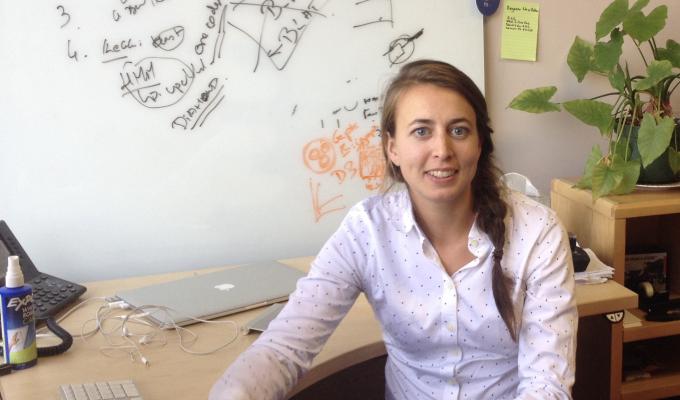
Ph.D. student and researcher Christine Tataru
Graduate students

Martin-O’Neill fellow Christine Tataru uses computers to decode our guts

Christine Tataru receives the 2021-22 Larry W. Martin & Joyce B. O’Neill Endowed Fellowship for her work in computational modeling that seeks to understand how gut microbiomes impact their human hosts’ health. She develops tools and frameworks to advance microbiome research, then uses these tools to explore gut-brain axis phenomenon.

Dr. Maude David sitting at her desk
Faculty and Staff

Mentoring and the microbiome: OSU microbiologist Maude David wins Breaking Barriers Award in Education

Assistant professor of microbiology Maude David received the 2020 Breaking Barriers Award in Education from the President’s Commission on the Status of Women, which honors excellent and high impact in teaching and mentoring that has paved the way for gender equity in higher education.

Corals along seafloor in Lizard Island.
Research

Scientists awarded grant to investigate how microbiomes can help species withstand climate change

A pivotal National Science Foundation award will enable Oregon State scientists to investigate how microbes influence their wildlife host’s sensitivity and resilience to disruptive changes in the natural environment.

Steve Giovannoni looking into microscope in lab.
News

Gut bacteria associated with animal-based diet may mitigate risk of cardiovascular disease

Researchers have found that a type of common gut bacteria sometimes associated with inflammation, abscesses, bowel disease and cancer has a major silver lining: It seems to help prevent cardiovascular disease.