A black background with orange glitter and a pair of googles with the year 2026.

Celebrating excellence in research: 2026 College of Science Awards

By Hannah Ashton

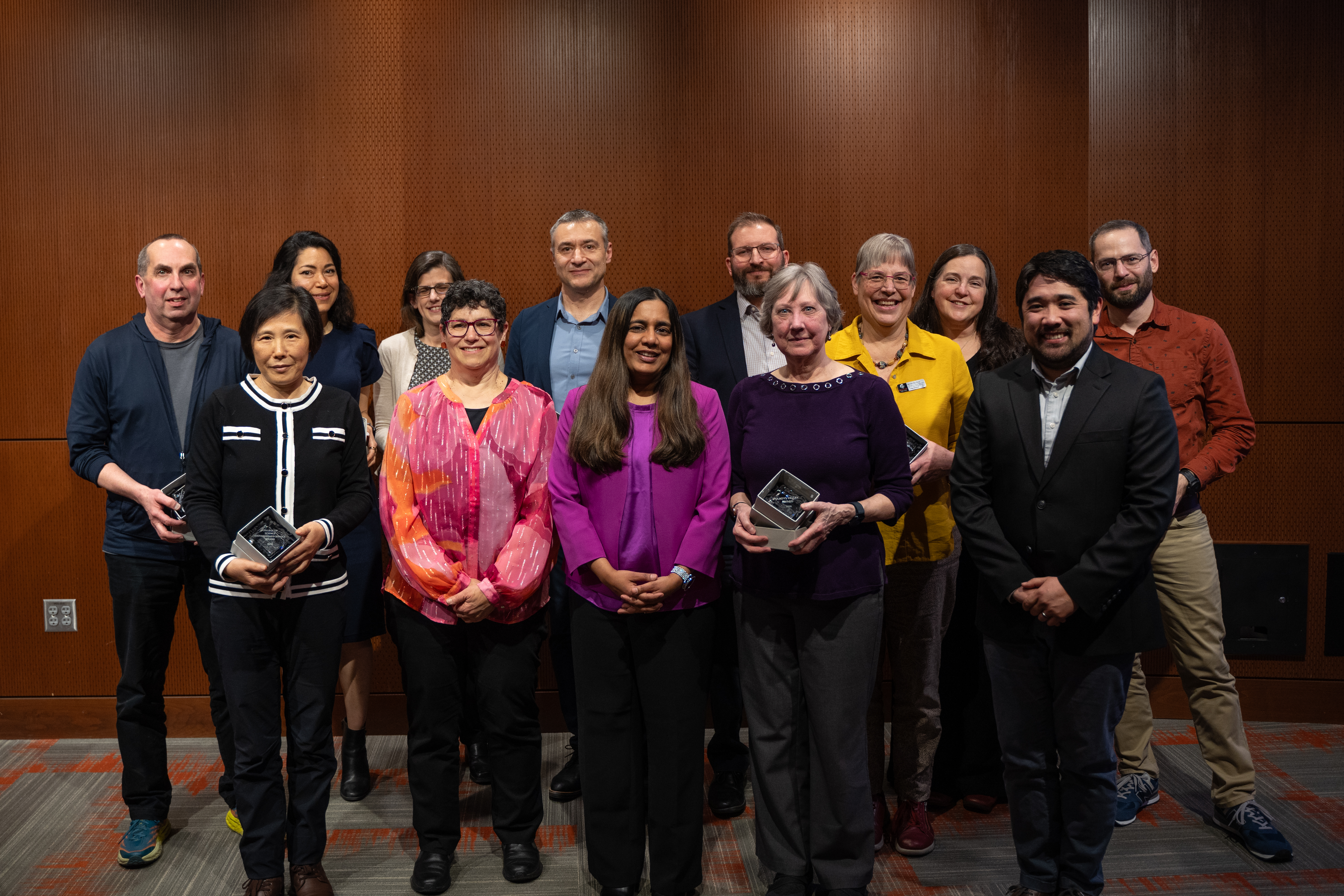
The College of Science gathered on Feb. 17 to recognize and celebrate our high-achieving faculty and staff at the 2026 Awards Ceremony. The evening celebrated the very best in the College, from teaching, advising and research to inclusive excellence, administration and service.

The following faculty and staff received awards in research.

Congratulations to all the awardees!

F.A. Gilfillan Award for Distinguished Scholarship in Science

Davide Lazzati sitting in office.

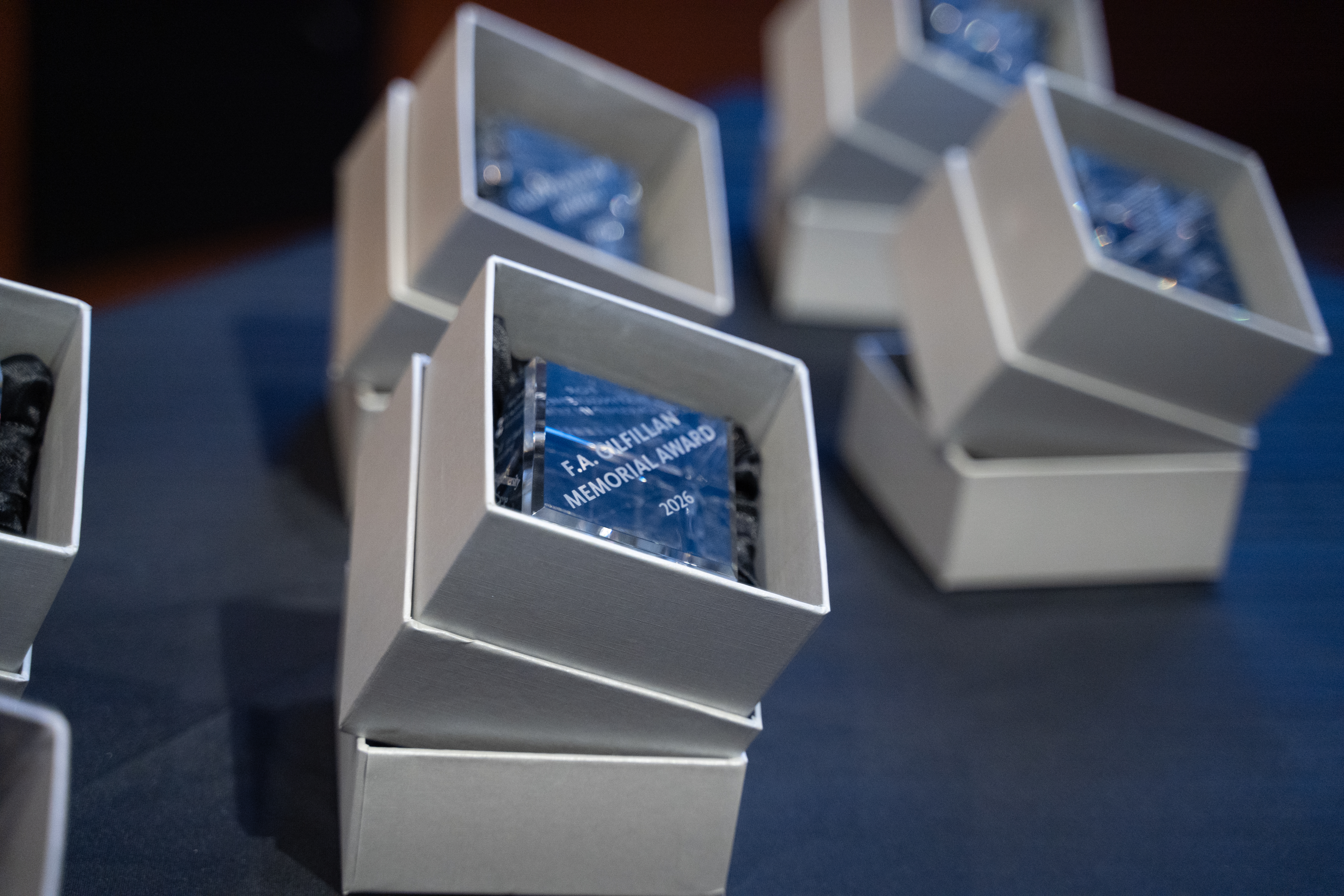
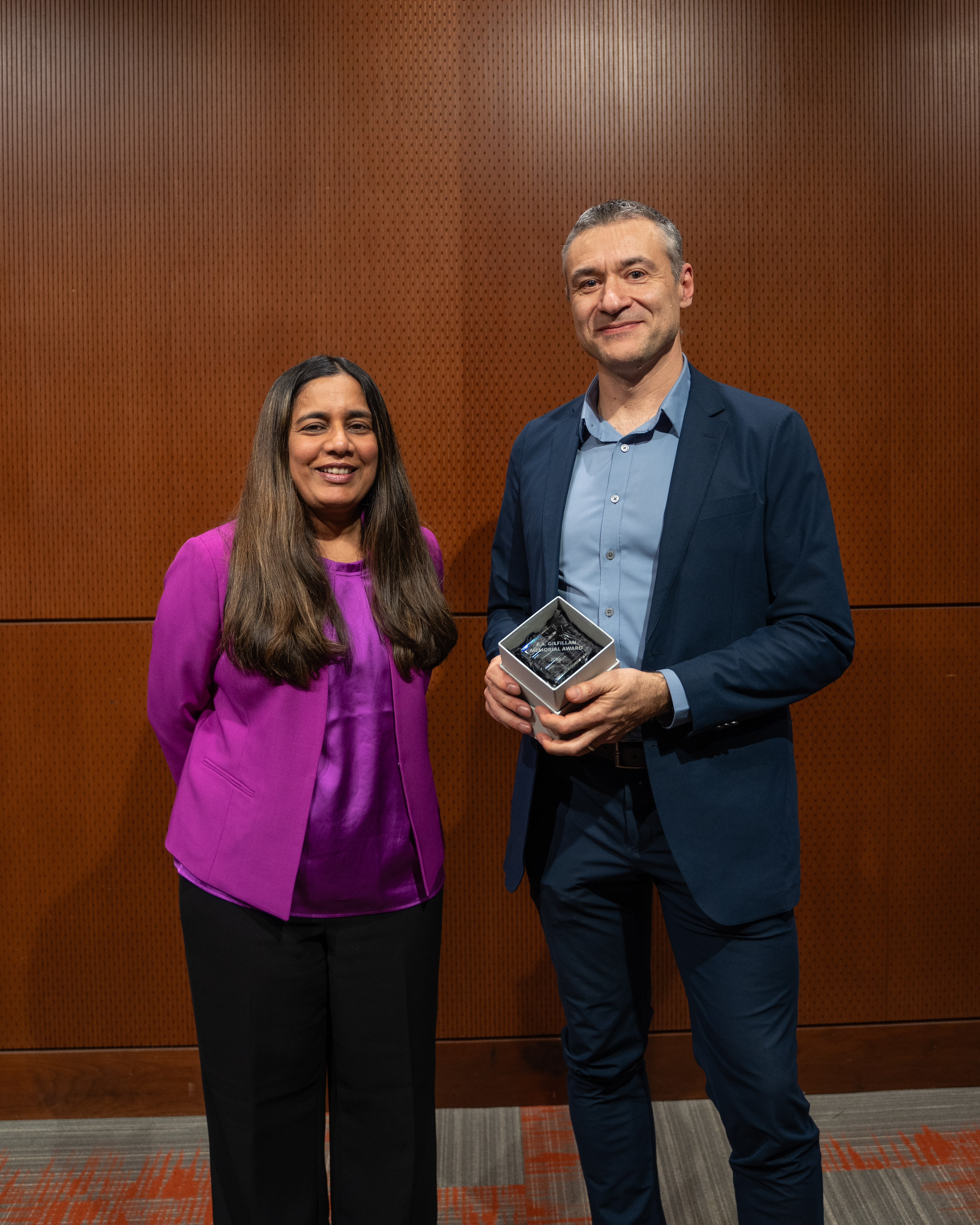
Davide Lazzati, from the Department of Physics, has received the F.A. Gilfillan Award for Distinguished Scholarship in Science.

Davide Lazzati, from the Department of Physics, has received the F.A. Gilfillan Award for Distinguished Scholarship in Science.

Lazzati’s scholarly achievements place him among the most influential astrophysicists of his generation. With more than 190 peer-reviewed publications, over 11,000 citations and an h-index of 57, his work has shaped high-energy astrophysics and multi-messenger astronomy for more than two decades. His research spans theory, computation and observation, and many of his papers are regarded as foundational benchmarks in gamma-ray burst physics, compact-object mergers and the emerging field of gravitational-wave astronomy.

A leader in multi-messenger astrophysics, Lazzati was among the first to predict the electromagnetic signature of a binary neutron star merger — insight that proved essential to interpreting the historic 2017 GW170817 event. His modeling of structured relativistic jets and off-axis emission provided the conceptual framework that allowed scientists to connect gravitational-wave detections with their electromagnetic counterparts. His work continues to guide the field as new detectors expand the frontiers of discovery.

Lazzati’s scholarship is marked by sustained creativity and rigor, supported by a strong record of competitive NASA and NSF funding. He is also a dedicated mentor and leader. Lazzati has advised 10 graduate students, mentored postdoctoral researchers, and guided 28 undergraduate researchers, several of whom have published first-author papers. His early adoption of a formal mentoring compact, now increasingly recognized as a best practice, reflects his commitment to transparency, equity and student success. His leadership as department head further strengthened the inclusivity and effectiveness of the graduate program.

One nominator wrote, "Professor Lazzati’s record of scholarship is nothing short of extraordinary — marked by sustained excellence, transformative impact and remarkable breadth. His work often anticipates new discoveries, redefines longstanding problems and helps set the direction for future studies.”

Milton Harris Award for Basic Research

A man in a blue plaid shirt with glasses and a beard poses for a headshot.

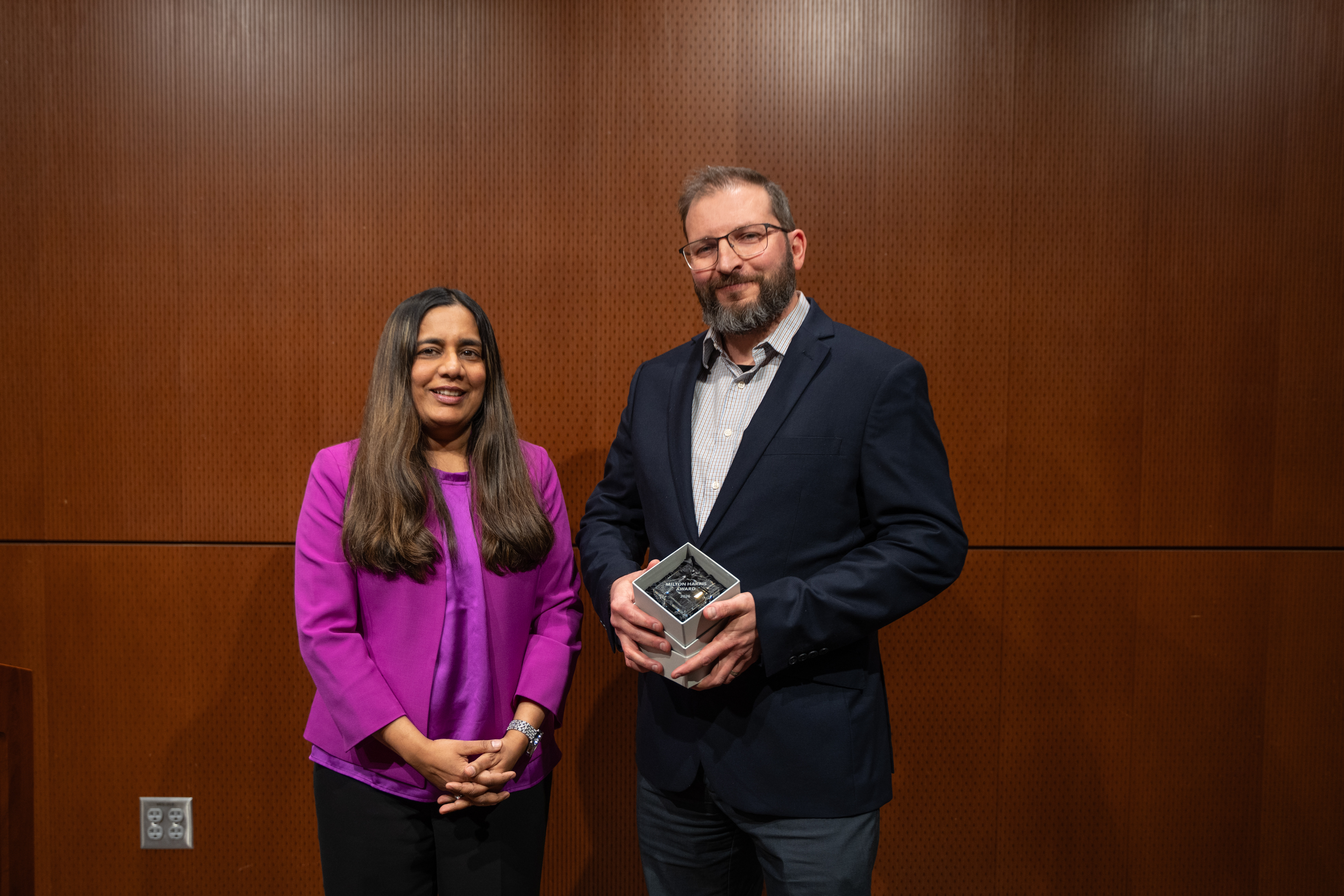
Thomas Sharpton, professor in the departments of Microbiology and Statistics and the Burgess and Elizabeth Jamieson Chair in Healthspan Research, received the Milton Harris Award for Basic Research.

Thomas Sharpton, professor in the departments of Microbiology and Statistics and the Burgess and Elizabeth Jamieson Chair in Healthspan Research, received the Milton Harris Award for Basic Research.

Sharpton is a pioneering microbiome scientist whose work has fundamentally advanced the basic biological understanding of how host-associated microbial communities function. Since joining Oregon State University in 2013, he has built an interdisciplinary research program that integrates computational biology, statistics and molecular microbiology to uncover the mechanisms by which microbiomes influence health, development and disease. His analytical frameworks, statistical models and experimental systems have become foundational tools used across the field.

His research has produced major insights into how the gut microbiome contributes to inflammatory bowel disease, neurobiological function and parasite infection, among other complex conditions. Sharpton has published more than 100 peer-reviewed papers, including in Nature, PNAS and Nature Communications, and his work has been cited over 23,000 times. He has secured more than $24 million in research funding from agencies including the National Institutes of Health, National Science Foundation, U.S. Department of Agriculture, Department of Defense and the Moore Foundation, and has developed widely used open-source software and databases that have accelerated microbiome research worldwide.

Sharpton’s leadership has also strengthened OSU’s research ecosystem. As founding director of OSU Microbiome Initiative and director of the OSU Microbiome Core, he has catalyzed interdisciplinary collaborations and expanded access to cutting-edge microbiome technologies. He is a dedicated mentor and educator, having guided more than 40 trainees and co-developed influential courses in microbial bioinformatics and quantitative genomics. His commitment to equity and inclusivity is reflected in his work on NIH and USDA diversity programs and his efforts to improve departmental monitoring practices.

Nominators emphasized both his scientific impact and his collaborative leadership. As one wrote, “His innovative approaches and unwavering commitment to scientific rigor make him an exceptional scholar and an indispensable collaborator.”

Dean’s Early Career Achievement Award

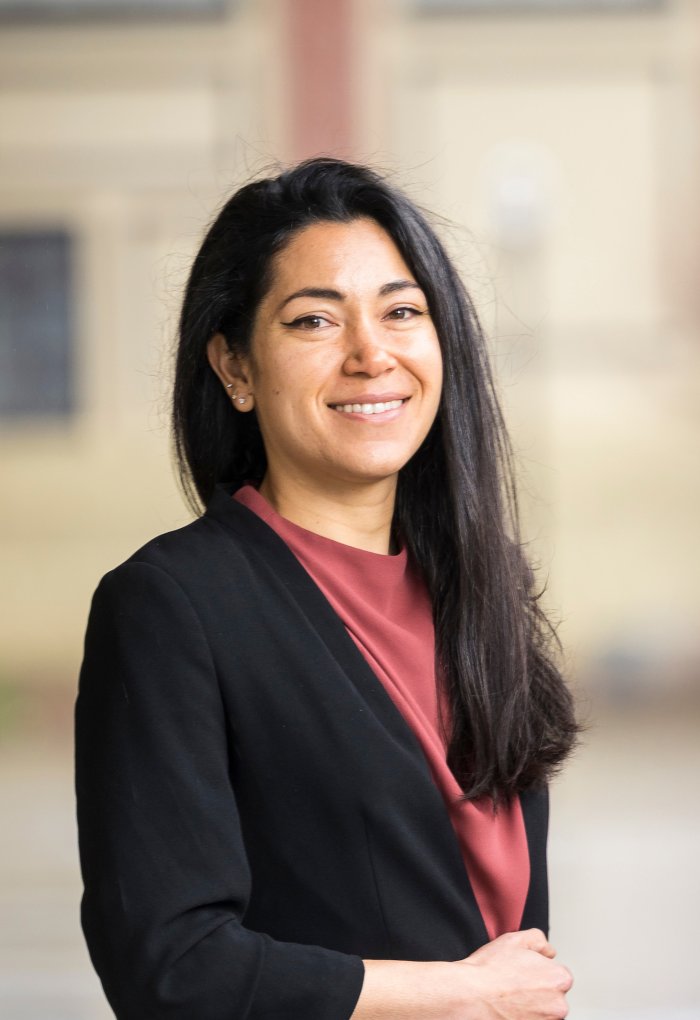
A woman in a pink shirt and black blazer with dark hair poses for a photo.

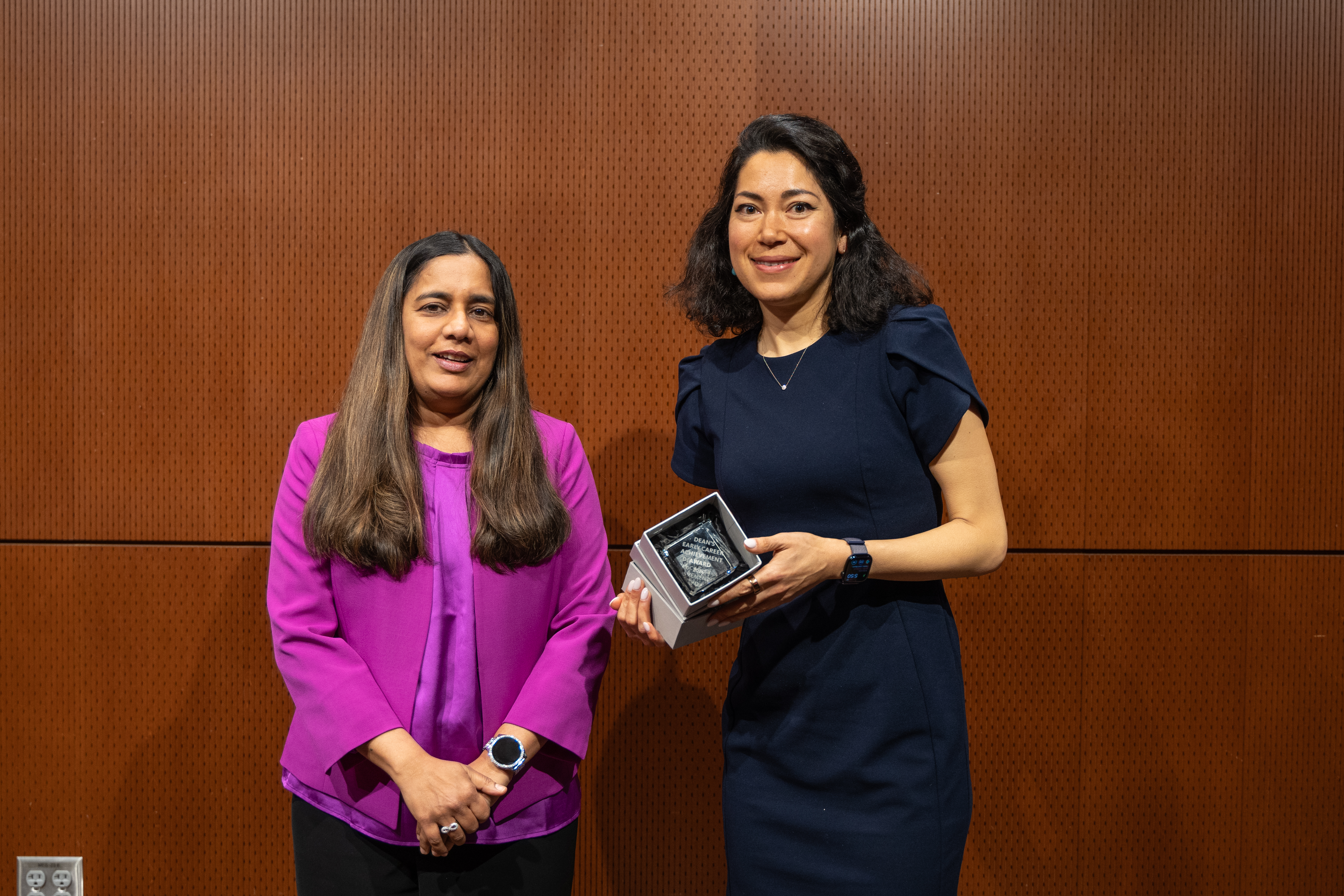
Katherine McLaughlin from the Department of Statistics, received the Dean’s Early Career Achievement Award.

Katherine McLaughlin from the Department of Statistics, received the Dean’s Early Career Achievement Award.

McLaughlin is an internationally recognized expert in developing statistical methods for studying hard-to-reach and hidden populations, including victims of human trafficking and communities at high risk for HIV. Since joining Oregon State University in 2016, she has published 19 peer-reviewed papers in top journals, delivered talks at venues including the CDC and the National Academies of Sciences, Engineering, and Medicine, and helped bring approximately $3.4 million in research funding to OSU.

Her work has had a major global impact. McLaughlin developed the “Visibility SS-PSE” model, now one of the main methods used to estimate population sizes in the UNAIDS Key Population Atlas, helping guide international HIV prevention and treatment policy. She also serves as an advisor to the U.S. Department of State-funded Prevalence Reduction Innovation Forum, helping shape how human trafficking is statistically measured worldwide.

At OSU, McLaughlin played a critical role in the TRACE and PIPP pandemic response projects, designing and analyzing large-scale community COVID-19 surveys and helping integrate wastewater data into public health decision-making.

“My first reaction upon a careful read through her materials is to wonder whether Prof. McLaughlin lives within the same 24-hour day that the rest of us do,” wrote a colleague who nominated McLaughlin. They added that she is “a rare case of ‘the complete package’” whose contributions are “uncharacteristically comprehensive.”