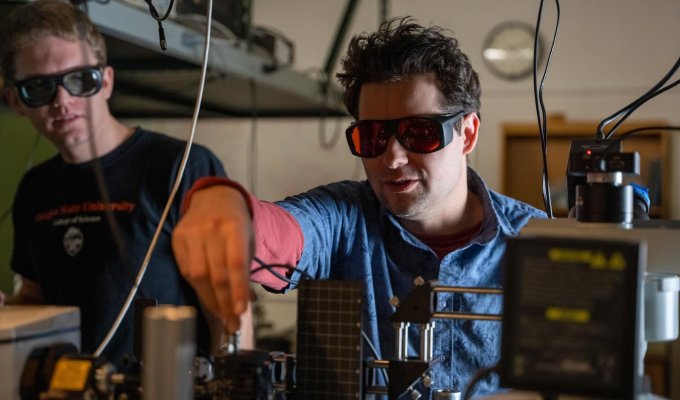
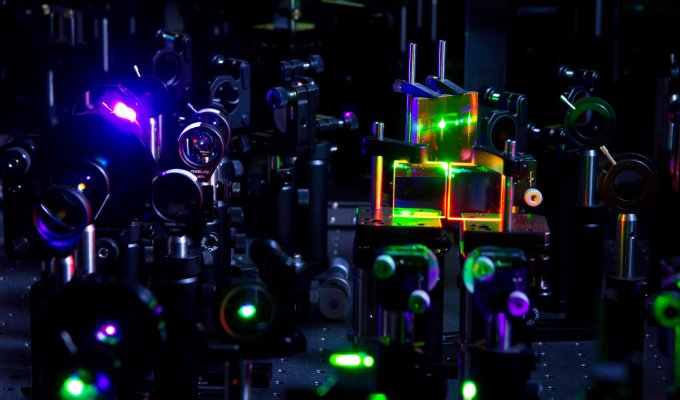
Using a laser-based technique they developed, one so sensitive it can spot a single missing oxygen atom, the group has opened a new window into how next-generation memory materials behave. The work, funded by Samsung Electronics, centers on transistors used in DRAM, the memory chips found in most computers.
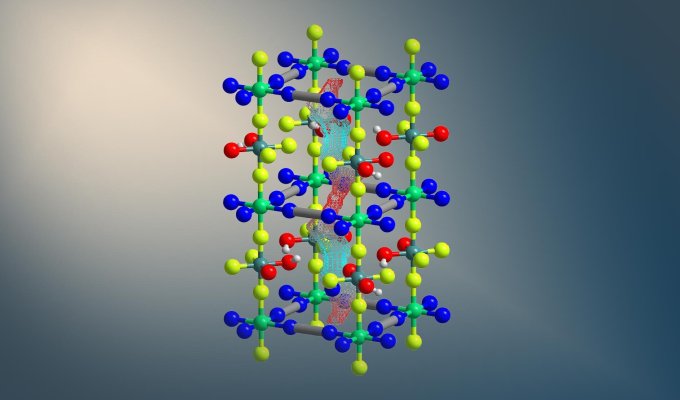
Published in Angewandte Chemie, the findings show that the new MOF, dubbed BVR-X, essentially directs water and carbon dioxide to different regions inside its pores, preventing water from blocking the places where carbon dioxide is captured.
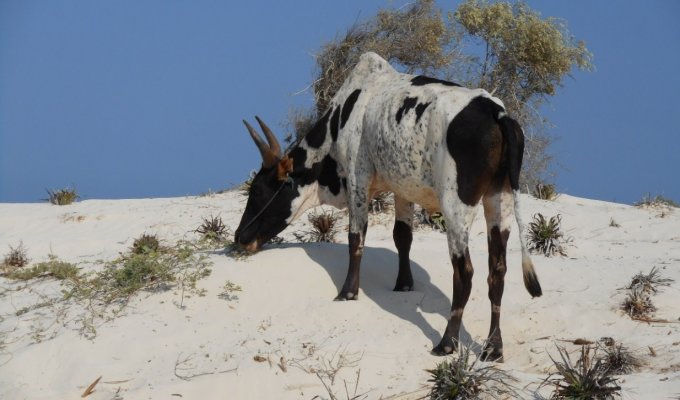
Madagascar provides a unique window into extinct ecosystems and the roles humans play in biodiversity loss, said study co-leader Sean Hixon, a postdoctoral researcher in associate professor Rebecca Terry’s integrative biology lab.
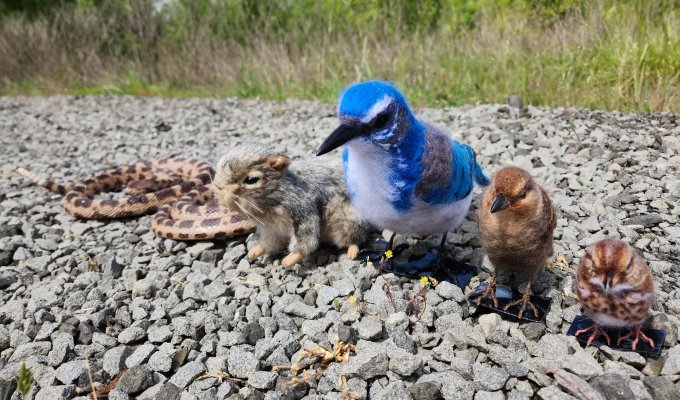
The predators in the study were inanimate but lifelike facsimiles placed on platforms a few meters from the nests of blackbirds, known to be aggressive nest defenders.
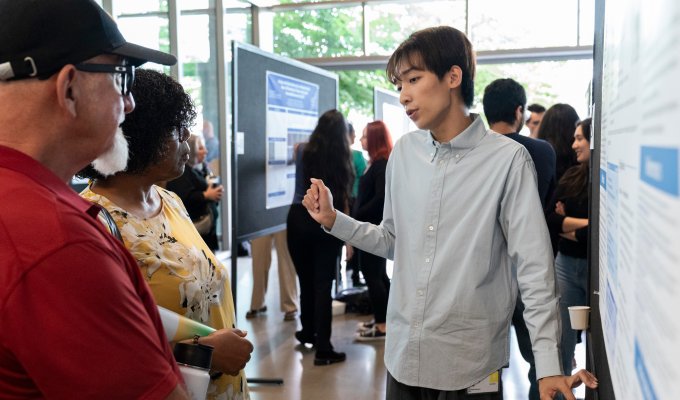
The first day of Oregon State's AI Showcase featured researchers using artificial intelligence to investigate everything from protein behavior and animal decision-making to ecosystem change and drug discovery.
Minot, who has served as interim head since September 2025, is a leading researcher in quantum materials and nanoscale systems with applications in semiconductors and emerging technologies.
Juliana Betancourt has been using chemistry to dive into the secrets of nanoplastics, taking part in crucial research well before she finishes her undergraduate studies.
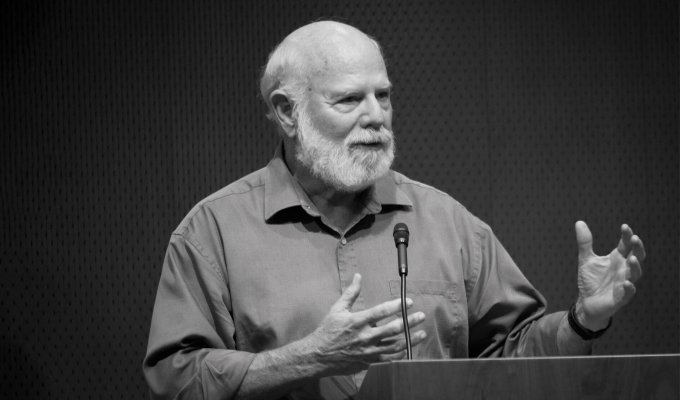
Stevan J. Arnold, emeritus professor of integrative biology at Oregon State University, has been elected to the National Academy of Sciences, one of the highest honors in science.
The novel sensor, which also has potential applications in health care and environmental monitoring, is based on the design principle of engineered interfacial chemistry. Funded by the National Science Foundation, the study by scientists at Oregon State and researchers in Taiwan was published in Applied Nano Materials, a journal of the American Chemical Society.