A black background with orange glitter, a roman pillar and the year 2026.

Celebrating excellence in inclusive excellence, administration and service: 2026 College of Science Awards

By Hannah Ashton

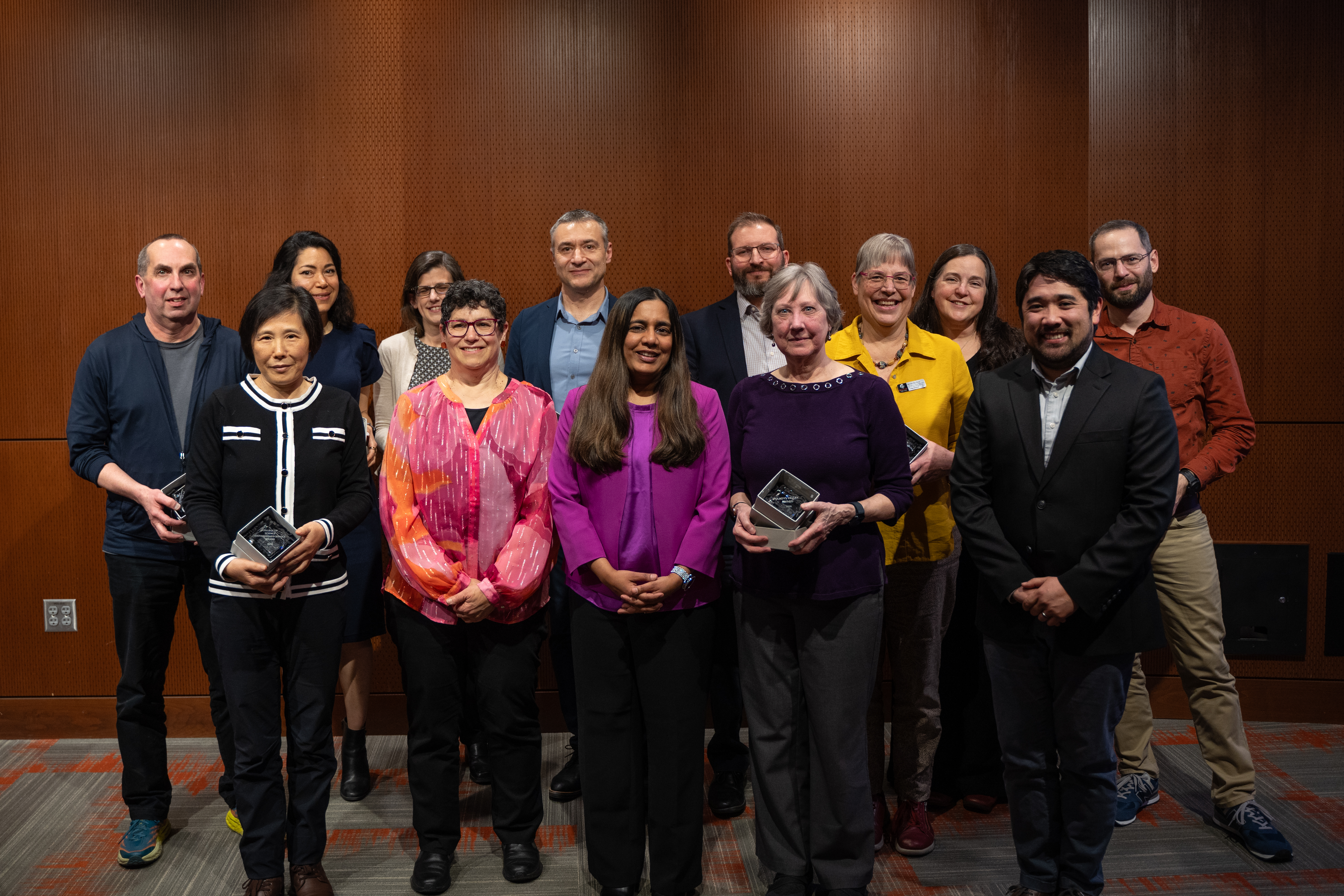
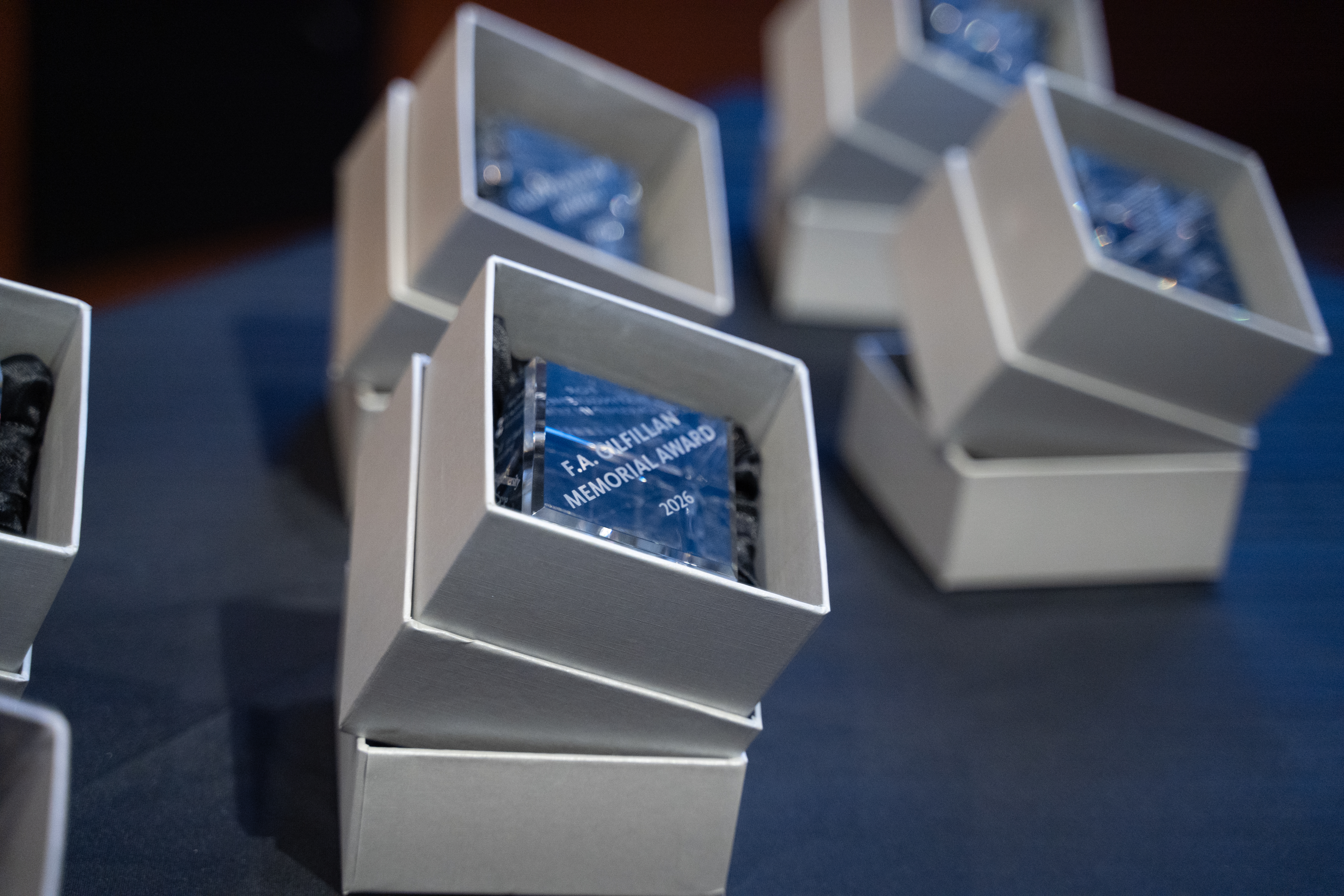
The College of Science gathered on Feb. 17 to recognize and celebrate our high achieving faculty and staff at the 2026 Combined Awards Ceremony. The evening celebrated the very best in the College, from teaching, advising and research to inclusive excellence, administration and service.

The following faculty and staff received awards in Inclusive Excellence, Administration, Service and Performance.

Congratulations to all the awardees!

Champion of Science Award

A woman in a white lab coat sits on a stool in a laboratory.

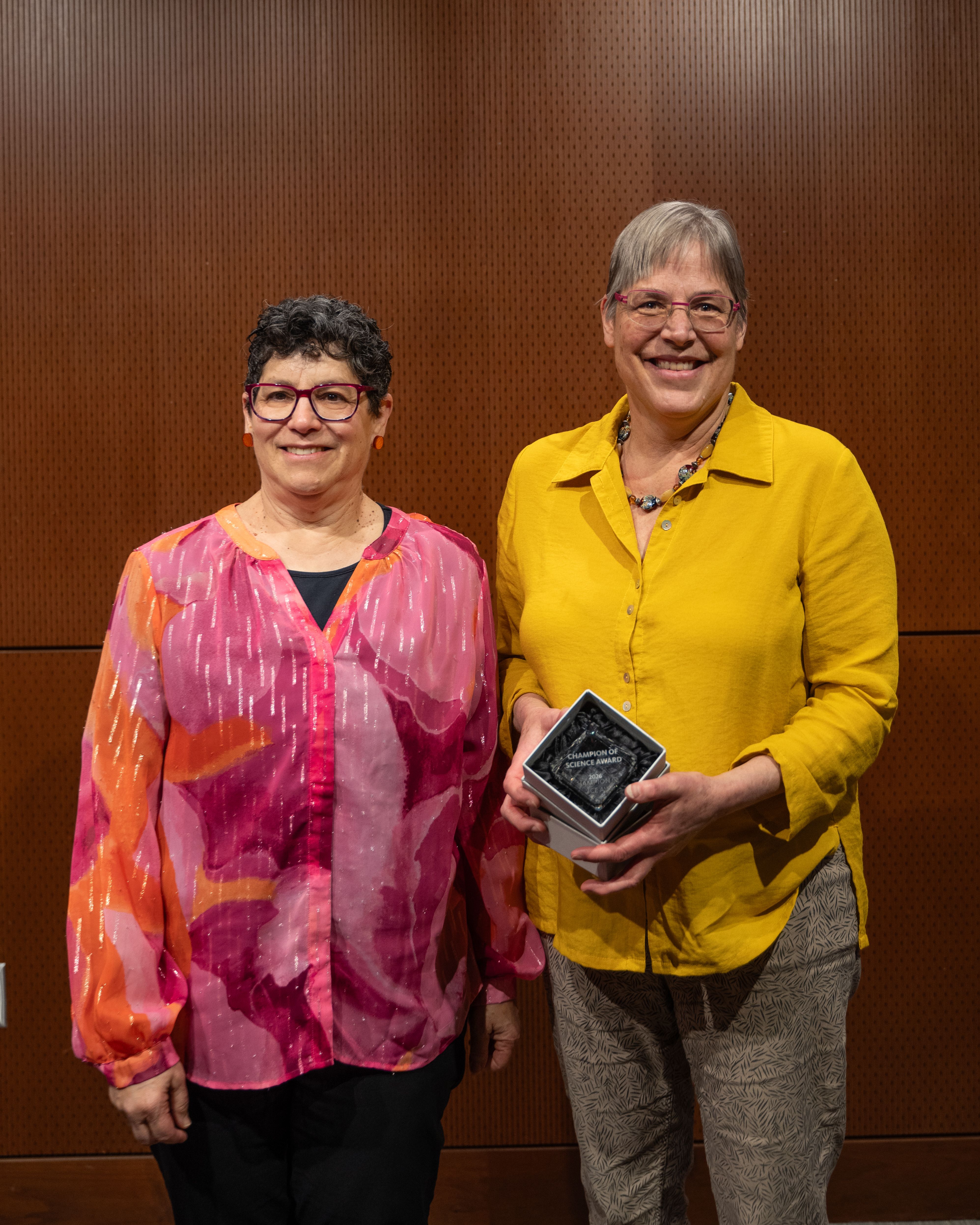
Kari Van Zee, from the Department of Biochemistry & Biophysics, has received the Champion of Science Award, a dean-selected award honoring individuals who consistently go above and beyond in science, mentoring and support of the College of Science community.

Kari Van Zee, from the Department of Biochemistry & Biophysics, has received the Champion of Science Award, a dean-selected award honoring individuals who consistently go above and beyond in science, mentoring and support of the College of Science community.

Van Zee’s impact at Oregon State spans more than 15 years, marked by a career dedicated to fostering student success, strengthening academic programs and shaping a more inclusive and supportive college environment. She has been a member of the OSU community since 1992, first as a post-doctoral student in horticulture, and since 2011, as a member of the Department of Biochemistry & Biophysics.

A senior instructor and lead advisor in her department, Van Zee is widely known for her extraordinary ability to engage students and support each one as a whole person. She provides individualized guidance to help them navigate challenges, make informed decisions and connect with faculty and resources as they discover their paths and pursue goals. From the orientation course she designed and teaches, to her leadership in inclusive excellence, to celebrations marking graduation, Van Zee has been a steady presence in students’ academic lives.

“Kari is always thinking about others and is the first person I go to when I want a thought partner to solve a problem. I know that is the same for our students,” said Lauren Dalton, senior instructor I and academic advisor. “Because of Kari, I have learned to better serve students.”

Her influence has reached deeply into the structure and success of academic programs in the department. She was key in creating the biochemistry and molecular biology major, which now graduates approximately 100 students each year. She also led the modernization of the biochemistry and biophysics major including the addition of a neuroscience option and guided both majors through the process of securing national certification.

“Kari has had an enormous impact within her department, but what truly makes her a Champion is her college- and university-wide impact,” said Dean Eleanor Feingold. “She shows up for every committee, every event, every initiative, helping students feel welcome and cared for while offering thoughtful input on how we can better serve them.”

Van Zee’s teaching and mentorship further reflect her commitment to student engagement and access. She collaborated with research faculty to develop two course-based research experiences serving 100 students annually and has contributed scholarly work on inclusive teaching, including supporting students with disabilities in science courses.

Inclusive Excellence Award

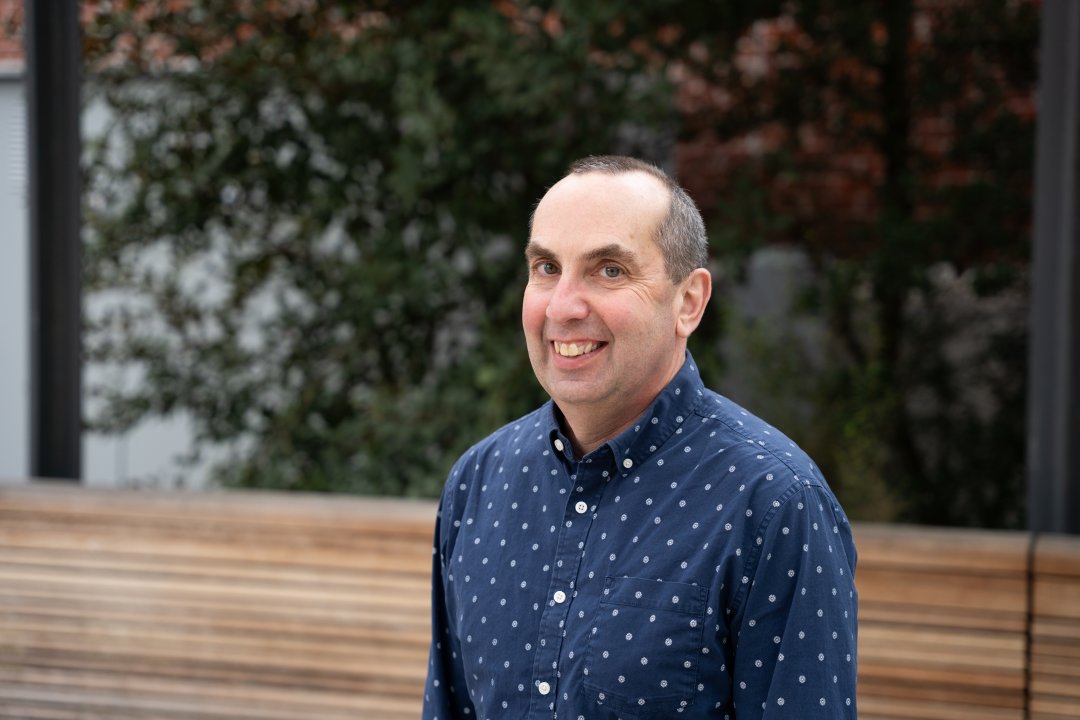
A man in a blue shirt with white polka dots poses for a headshot.

Louis Wojcinski from the Department of Chemistry, received the College of Science Inclusive Excellence Award.

Louis Wojcinski from the Department of Chemistry, received the College of Science Inclusive Excellence Award.

Wojcinski is known for reimagining large-enrollment general chemistry courses to remove structural barriers for first-generation, underrepresented and economically disadvantaged students. Through mastery-based grading, collaborative and two-stage exams and frequent formative assessment with personalized feedback, he has created learning environments intentionally designed for equitable access to success.

His impact is measurable. Between fall 2020 and fall 2024, DFW (drop, fail, withdraw) rates in his general chemistry courses were cut nearly in half, with even larger gains for historically underserved students.

Wojcinski’s influence changes students' futures. A current Learning Assistant — an undergraduate who has completed a course and supports other students in the classroom — credits him with giving them the confidence to apply for the program after struggling with self-doubt and feeling unsure they had anything to offer. With his encouragement, they took the opportunity seriously and gained valuable skills while supporting other students.

Beyond the classroom, Wojcinski has worked to build a culture of belonging in the Department of Chemistry. He has served for more than five years on the department’s Equity, Justice and Inclusion Committee, including as chair. He helped redesign learning spaces and co-founded the Catalyst Mentoring Program to support early-career faculty, particularly those from underrepresented backgrounds.

“What distinguishes Dr. Wojcinski is that his efforts are neither required nor easily quantifiable; they involve emotional labor, sustained commitment, and a vision for what a just and inclusive academic community should be,” one nominator wrote.

Gladys Valley Award for Exemplary Administrative Support

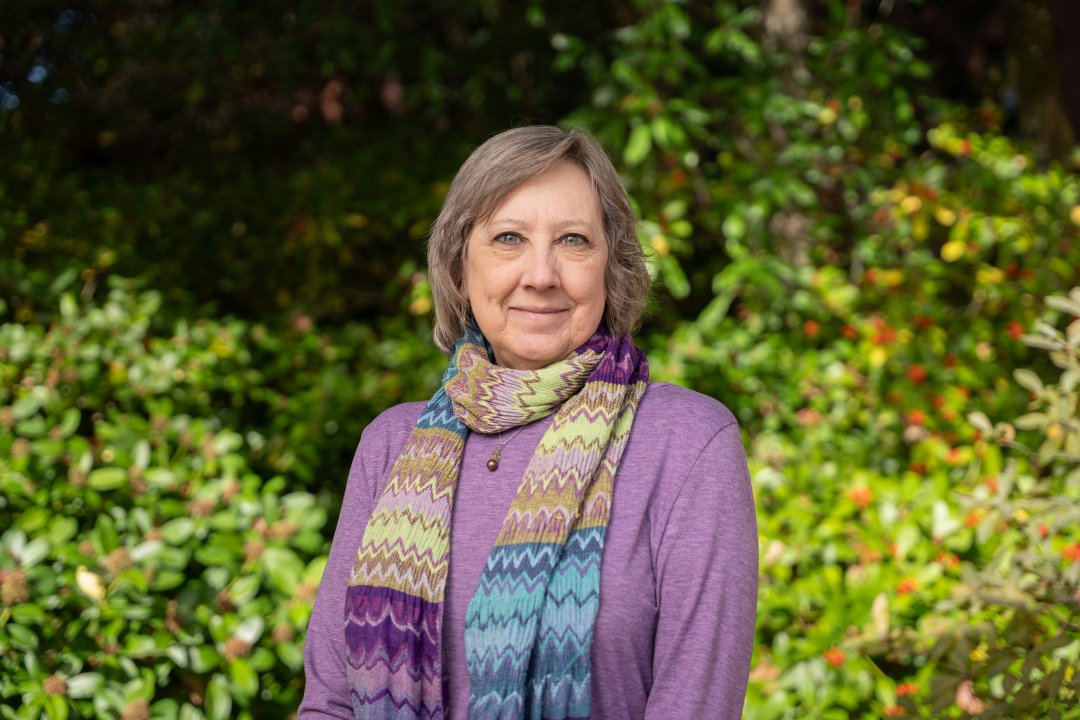
Bettye Maddux smiles slightly. She stands in front of lush greenery wearing a lavender sweater and colorful scarf. She has chin length gray hair.

Bettye Maddux received the Gladys Valley Award for Exemplary Administrative Support.

Bettye Maddux received the Gladys Valley Award for Exemplary Administrative Support.

Maddux, director of research development, is widely recognized as a steady, trusted force behind the College of Science’s research enterprise. Over her career at Oregon State, she has helped transform how the college supports faculty in securing external funding.

Prior to her current role, Maddux served as the administrative director for a thriving National Science Foundation Research Center, where she managed finances, reporting, federal agency communication, postdoctoral hiring and large-scale meeting logistics. Today, she guides faculty and research teams through every stage of the proposal process, from early idea development and team building to complex budgets, compliance and final submission.

Her work has elevated the college’s grant portfolio, strengthened collaborations and enabled new research and training opportunities across disciplines. Colleagues consistently point to her rare combination of deep expertise and genuine care for people, and to her ability to bring calm, clarity and confidence to high-pressure grant deadlines.

“Before Dr. Maddux arrived and started the grant support initiative, there was nothing in the College of Science for grant support,” wrote one nominator. “Today, I believe we have one of the best grant support programs at OSU. What she has been able to do for this community has transformed the lives of faculty, elevated our grant portfolio, catalyzed collaborations and enabled the transformative education and training of students.”

Beyond systems and structures, Maddux is also deeply committed to equity and access. She designs administrative processes that lower barriers for those unfamiliar with university systems and ensures that faculty, postdocs and students from all backgrounds feel supported and empowered to pursue opportunities.

Distinguished Service Award

A woman in a burgundy sweater and curly brown hair poses for a headshot.

Paula Weiss from the Department of Chemistry, received the Distinguished Service Award.

Paula Weiss from the Department of Chemistry, received the Distinguished Service Award.

Weiss is recognized for sustained, high-impact service that has helped guide the launch of OSU’s restructured general education curriculum. The committee oversees policy development, curricular standards and approval of all Core Education courses, work that directly shapes the academic experience of every undergraduate student. During the 2024-25 academic year alone, the committee reviewed hundreds of course proposals and policy initiatives, helping establish standards for learning outcomes, experiential learning, assessments and the new transitions curriculum.

Her impact also extends statewide through her leadership in aligning lower-division chemistry courses across Oregon’s public institutions. Over the past two years, Weiss worked with faculty across the state to standardize the full introductory chemistry sequence, reducing barriers for transfer students while strengthening curricular consistency and rigor. This work is expected to benefit thousands of students moving between Oregon colleges and universities for years to come.

In addition to these major efforts, Weiss has provided extensive service at the department, college and university levels, including leadership roles in undergraduate admissions, curriculum oversight, faculty hiring and student success initiatives. She also co-developed the Catalyst, a mentoring program supporting women and minoritized faculty in the Department of Chemistry.

“Paula’s service record is exceptional in scope, measurable in impact, and transformative for students, faculty and the broader Oregon higher-education system,” one nominator wrote.