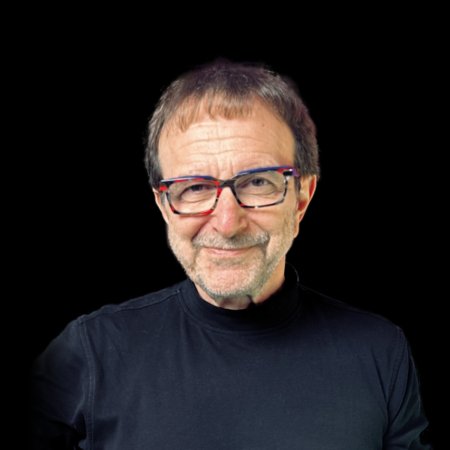
Lou Wojcinski with a megaphone graphic

Inclusive Excellence Lecture 2026 to spotlight first-generation student experiences and pathways to change

By the College of Science

What can universities learn from the experiences of first-generation college students, and how can those insights help more students succeed?

Those questions will take center stage at the College of Science’s annual Inclusive Excellence Lecture, featuring 2026 Inclusive Excellence Award recipient Louis Wojcinski, senior instructor of chemistry, in his talk titled “First-Generation Voices: Stories, Perspectives and Possibilities.” Through a student panel, personal reflection and practical strategies for change, the event will explore how we can create learning environments where all students have the opportunity to thrive.

Tuesday, Dec. 1, 2026

4 to 5:30 p.m.

Memorial Union Horizon Room

RSVP TODAY

Attendees will hear directly from current first-generation students about their experiences navigating higher education, learn about approaches that have helped improve student success and leave with ideas for how individuals and institutions can foster a stronger sense of belonging.

Wojcinski received the College of Science Inclusive Excellence Award for his sustained efforts to remove barriers to student success. In large-enrollment chemistry courses, he has implemented mastery-based grading, collaborative assessments and frequent feedback practices designed to support a wide range of learners. Between 2020 and 2024, DFW (drop, fail, withdraw) rates in his courses were reduced by nearly half, with particularly strong gains among historically underserved students.

Kameron Kadooka presents the inclusive excellence award to Louis Wojcinski at the 2026 Faculty and Staff Awards.

Wojcinski (left) is presented with the 2026 Inclusive Excellence Award by Kameron Kadooka, Director of Equity, Access and Inclusion, College of Science.

For Wojcinski, however, the lecture is less about his own work and more about elevating the voices of students whose experiences often go unheard.

“In my mind,” said Wojcinski, “ students make a million decisions from start to finish about whether to stay or whether to go. It's got to be a yes every time. How do we put them in a position to say, ‘I choose to persist’?"

In my mind, students make a million decisions from start to finish about whether to stay or whether to go. It's got to be a yes every time. How do we put them in a position to say, ‘I choose to persist’?

A first-generation college graduate himself, Wojcinski says he continues to hear current students describe many of the same challenges he encountered decades ago. The persistence of those stories led him to shape this year’s lecture around student voices and lived experiences. The event will examine how colleges and universities can better understand and respond to the realities those students bring with them.

“There is not a problem with these students. This is not a deficiency in them that we need to solve. They just arrive here with a different set of experiences and skills that, I would say, many faculty are not used to.”

The program will feature a panel of first-generation students discussing their educational journeys, followed by a conversation about solutions at multiple levels, from classroom practices to institutional policies. Attendees can expect examples that are both practical and actionable.

Among the approaches Wojcinski plans to discuss are small instructional changes that can have an outsized impact on student success: building flexibility into course policies, creating opportunities for students to share their experiences and designing assessments that recognize different paths to learning. Many of these strategies, he argues, benefit all students, not only those who are first-generation.

The event is intended to spark reflection and action among faculty, advisors, administrators and anyone involved in supporting student success. At the same time, it offers students an opportunity to hear their peers' experiences reflected on stage and to see that they are not alone in navigating the complexities of college life. The lecture is open to faculty, staff, students and community members.

Like previous Inclusive Excellence Lectures, the event aims to move beyond awareness and toward meaningful change. Past speakers have challenged audiences to engage in difficult conversations, examine institutional barriers and build more inclusive scientific communities.

For Wojcinski, success will mean attendees leaving with a deeper understanding of the first-generation student experience and a clearer sense of what they can do to help students persist, belong and succeed.

RSVP TODAY

Read about past Inclusive Excellence awardees:

A group of musicians perform on a stage with instruments.
Multimedia experience in PRAx: 'What can a punk-inspired music scene teach scientists?'

Hannah Stuwe, a Ph.D. candidate in biochemistry and biophysics, will explore that question in the 2026 Inclusive Excellence Lecture, which will feature live music by local artists.

Kirsten Grorud-Colvert stands in a blue shirt with her hair in a bun in front of green trees.
Inclusive Excellence Lecture: ‘Gathering community for dialogue and action’

Achieving equity in science requires openness to challenging conversations and acknowledging that all disciplines have a history of exclusionary behavior. How do you change decades of behavior in science? Kirsten Grorud-Colvert will address this question at the 2023 College of Science Inclusive Excellence Lecture, “Inclusive Science: Gathering community for dialogue and action.”

Scales in front of blurred background.
Inclusive Excellence Lecture: ‘The wider story of IE@OSU’

The transformative potential of inclusive excellence in STEM education lies in its capacity to identify barriers to student success and create pathways to overcome them. Through the Inclusive Excellence (IE@OSU) program, faculty and administrators are empowered to foster equitable learning environments and create meaningful change in science and society.

Marilyn Mackiewicz standing in front of a black backdrop.
Inclusive Excellence Lecture: Empowering Cultures of Belonging

National Science Foundation CAREER award recipient Marilyn Rampersad Mackiewicz will present the inaugural 2022 College of Science Inclusive Excellence Lecture, “Empowering Cultures of Belonging: Thriving, Innovating and Solving Global Challenges.”

A black background with orange glitter, a roman pillar and the year 2026.
Celebrating excellence in inclusive excellence, administration and service: 2026 College of Science Awards

This year’s honorees are advancing inclusive excellence, strengthening research infrastructure and shaping policy and programs that impact thousands of students and faculty. Their leadership and sustained service are transforming systems across the college, from the classroom to statewide collaboration.