Scientists spend hours wrangling data, rebuilding experiments, troubleshooting code and keeping track of each step. Alumnus and entrepreneur Scott Clark (’08) believes that artificial intelligence can take on much of that work, freeing researchers to pursue the questions that drive discovery.
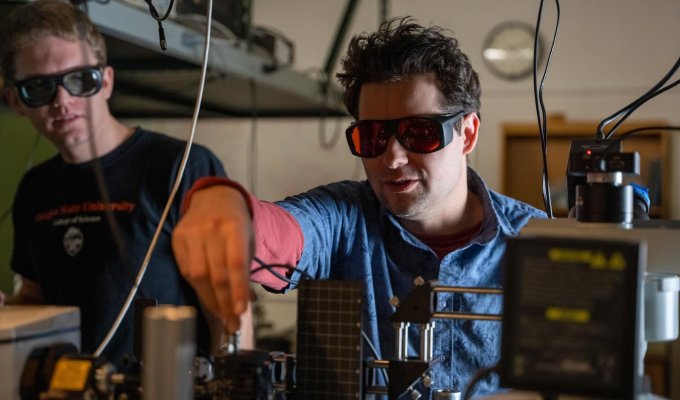
Using a laser-based technique they developed, one so sensitive it can spot a single missing oxygen atom, the group has opened a new window into how next-generation memory materials behave. The work, funded by Samsung Electronics, centers on transistors used in DRAM, the memory chips found in most computers.
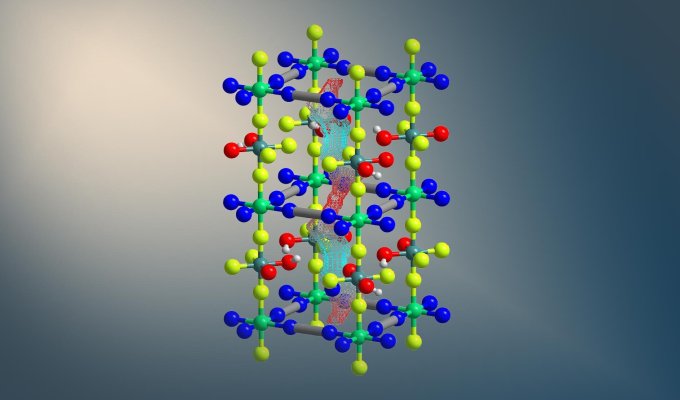
Published in Angewandte Chemie, the findings show that the new MOF, dubbed BVR-X, essentially directs water and carbon dioxide to different regions inside its pores, preventing water from blocking the places where carbon dioxide is captured.
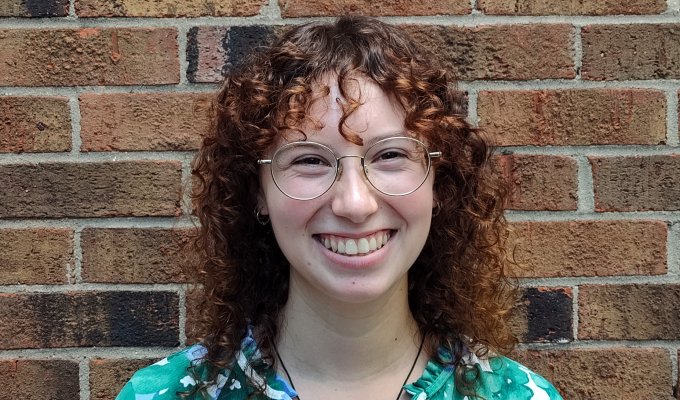
Before starting her Ph.D. in mathematics at the University of North Carolina at Chapel Hill in fall 2026, alumna Hannah Dempsey spent four weeks participating in a rigorous mathematics residency program.
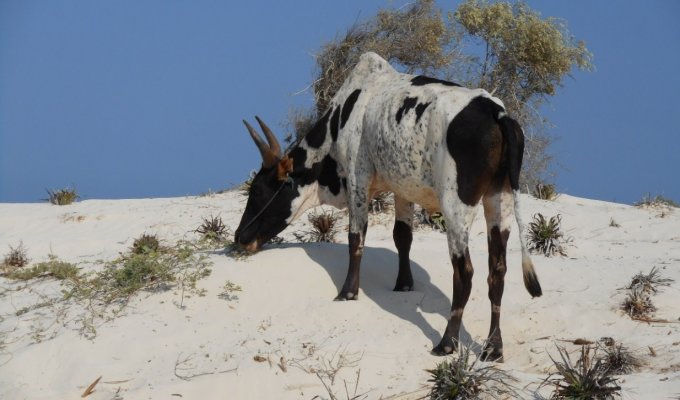
Madagascar provides a unique window into extinct ecosystems and the roles humans play in biodiversity loss, said study co-leader Sean Hixon, a postdoctoral researcher in associate professor Rebecca Terry’s integrative biology lab.
Vrushali Bokil is one of eight mathematicians nationally named a 2027 Association for Women in Mathematics Fellow, recognizing nearly two decades of leadership to expand access and opportunity in mathematics at Oregon State and beyond.
The research team used a water-based solution rather than a toxic organic solvent to separate zirconium, vital in nuclear power generation, from hafnium, which is crucial for both nuclear energy and semiconductor manufacturing.
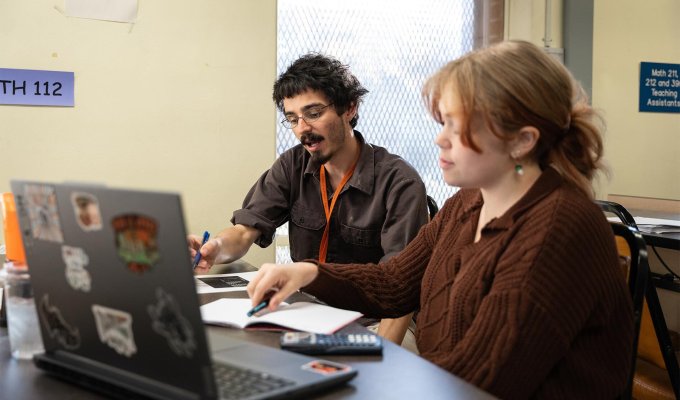
A new academic support hub brings math, chemistry, biochemistry and physics help together in the Valley Library, giving students easier access to the support they need to succeed at Oregon State.
At the university’s 2026 University Day celebration, faculty, staff and postdoctoral scholars were recognized for exceptional teaching, mentorship, research and service.
MIT astrophysicist Sara Seager, a pioneer in exoplanet discovery and the search for life beyond Earth, will discuss how new discoveries are transforming scientists' understanding of where life may exist in the universe.
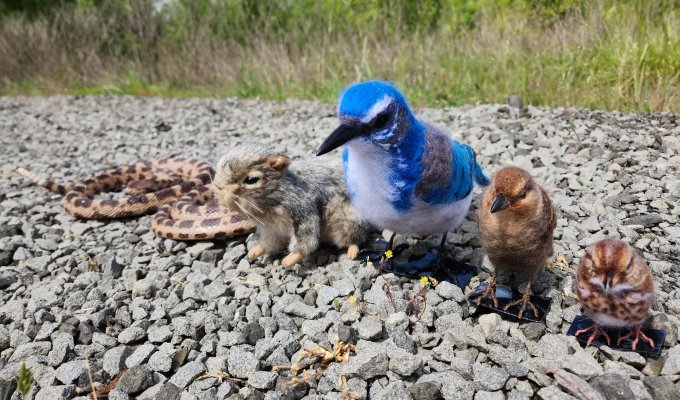
The predators in the study were inanimate but lifelike facsimiles placed on platforms a few meters from the nests of blackbirds, known to be aggressive nest defenders.